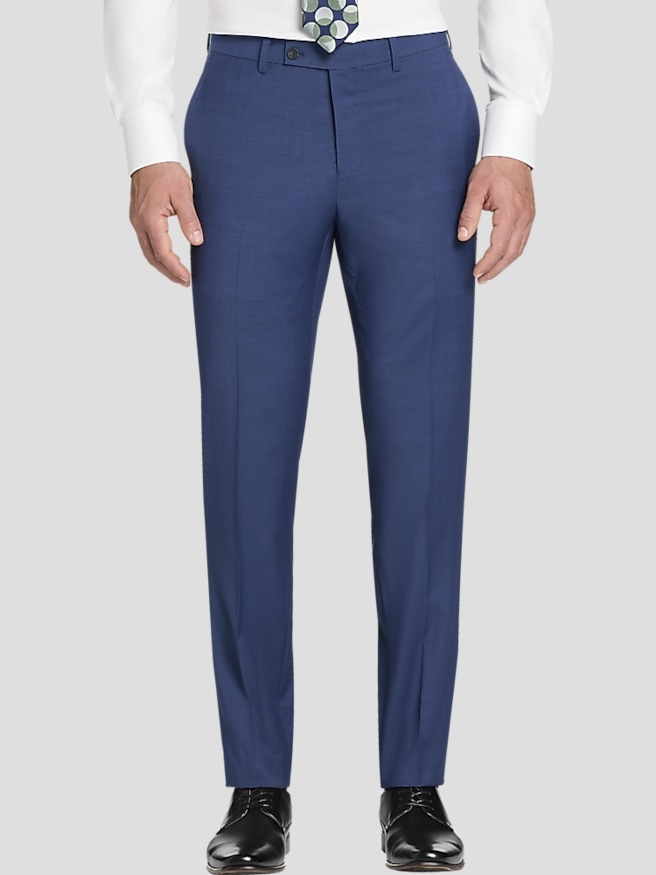
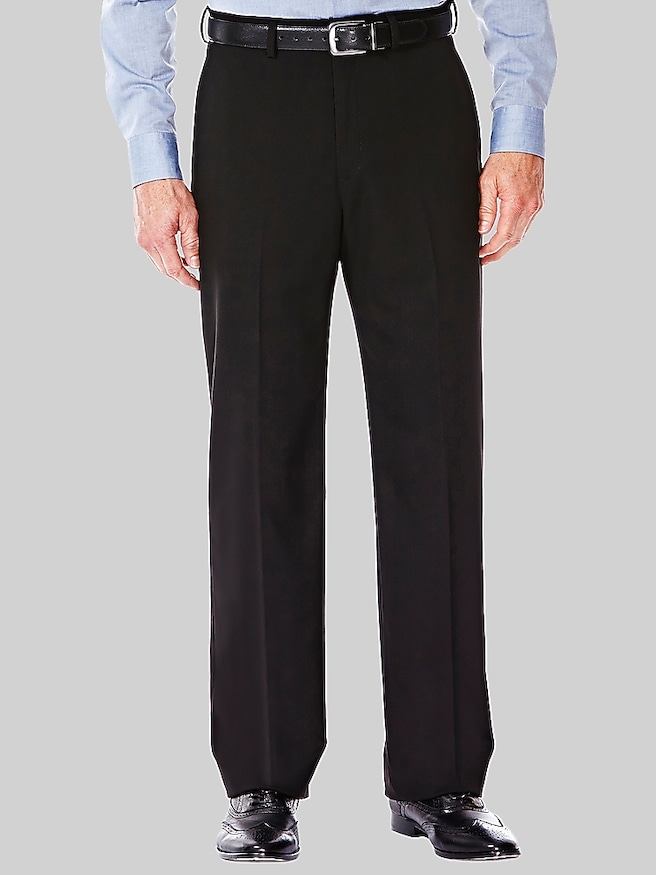
Lightweight wool pants offer the clean drape of tailored trousers without the substantial feel of heavier cloth. Their appeal comes from a combination of fiber, yarn, and fabric construction: wool provides natural resilience and moisture management, while a lighter weave reduces bulk and can allow air to move more freely through the fabric. Wool fibers can absorb moisture vapor, helping limit the damp feeling that sometimes develops during a busy day. The fiber’s natural crimp also helps fabric recover from ordinary movement, although no pair of wool trousers is completely wrinkle-proof. For someone moving between a desk, a client meeting, and dinner, that balance of comfort and structure makes lightweight wool a practical choice. Fabric weight alone does not determine softness, breathability, or durability. Fine fibers can create a smooth hand, tightly twisted yarns can give the surface a crisp feel, and the density of the weave affects both airflow and resistance to wear. Worsted wool, made with fibers combed into alignment before spinning, is often used for trousers with a smooth finish and a precise crease. Blended fabrics may add stretch, strength, or a distinct texture, but their performance depends on the fibers and proportions involved. A small amount of stretch can help accommodate sitting and bending; it does not replace the need for a comfortable fit. Construction matters as well. A partial lining may help the trousers glide over the legs, while the lining material and coverage influence the overall feel. Smooth finishes tend to look more formal, while subtle texture can make tailored pants feel less strict. Charcoal, navy, and medium gray provide a versatile foundation because they pair easily with familiar shirts, jackets, and shoes. The most useful lightweight wool trousers are not simply the lightest; they combine an appropriate fabric weight with enough body to hang cleanly and suit the way they will be worn.
Fit determines whether that fabric can do its job. The waistband should sit securely at the intended rise without digging in or needing a tightly cinched belt to stay in place. Across the seat and thighs, there should be enough room to sit comfortably without pulling the pockets open or creating strong horizontal lines. A slim silhouette follows the leg more closely, while straight and classic fits provide additional room; none should feel restrictive through a normal stride. Pleats can provide useful space through the upper leg, especially for someone who prefers a higher rise or spends much of the day seated. Flat-front trousers offer a clean appearance, but still need sufficient ease through the hips and thighs. Trying on pants with the shoes typically worn with them makes it easier to judge the hem. A shorter hem with little or no break creates a crisp outline, while a slight break provides a more traditional finish. Excess fabric pooling over the shoe can obscure an otherwise good fit. Tailoring can refine the waist, hem, and leg shape, but the starting fit should already feel comfortable through the seat and rise. For office presentations, interviews, and dressed-up dinners, lightweight wool pants work naturally with a pressed shirt, leather shoes, and a tailored jacket. At weddings or other occasions with a stated dress code, the level of formality matters more than the fabric’s weight; separate trousers are not a substitute when a matching suit or formal attire is required. For a less structured outfit, pairing them with Lightweight Wool Sweaters creates a refined combination without requiring a jacket. A fine knit sits neatly over the waistband, while a tucked-in shirt emphasizes the trouser rise and front closure. Keeping the proportions balanced helps the outfit feel intentional: a closely fitted top need not be paired with an equally narrow leg, and roomier trousers can still look sharp when the length is precise. These details make the category useful for professionals, wedding guests, and anyone whose plans call for something more polished than casual pants.
Thoughtful care helps lightweight wool pants retain their shape and appearance through repeated wear. Start with the care label, since fiber blends, linings, waistband construction, and finishing treatments can require different methods. Some wool garments permit washing under specific conditions, while others require professional cleaning; wool content alone is not enough to decide. Avoid assuming that a delicate machine cycle is appropriate when the label says otherwise. Between cleanings, empty the pockets and hang the trousers neatly so the fabric has a chance to release minor wrinkles. A soft garment brush can lift surface dust, and a gentle pass is generally more suitable than vigorous scrubbing. Address spills promptly by blotting rather than rubbing, and follow the label or a cleaner’s advice before applying a stain treatment. Pressing also calls for care: excessive heat or direct pressure can leave shine, particularly on dark cloth. Use the recommended setting and a pressing cloth when appropriate, or have a professional restore the crease. On a hanger, align the seams and preserve the existing crease instead of creating a second fold down the leg. For travel, pack trousers along those same lines and avoid compressing them beneath heavy belongings. Durability depends on more than the fiber name. Fit affects wear because fabric under constant strain at the thighs, seat, or pockets experiences more stress, and repeated friction can gradually polish or thin the surface. Rotating trousers between wears and dealing with loose stitching early can help extend their useful life. Store them clean and fully dry, with suitable protection against fabric pests. For gifting, the recipient’s usual trouser measurements, preferred rise, and everyday dress code offer a better starting point than waist size alone. Someone who regularly wears tailored clothing may value a familiar silhouette and an easily coordinated color. Whether chosen for a daily commute, a full schedule of meetings, or an evening celebration, lightweight wool pants work best when fabric, fit, and care receive equal attention.