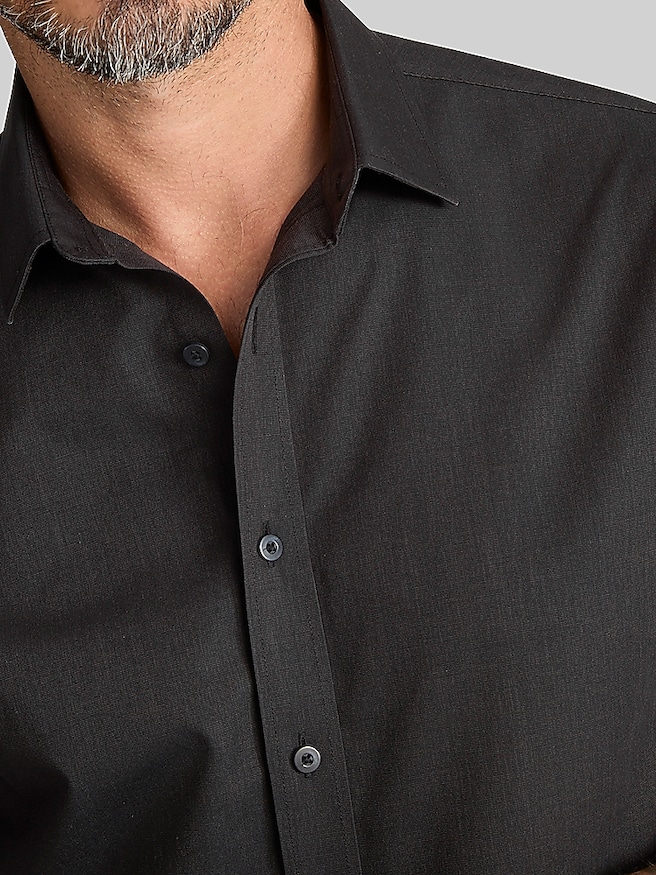
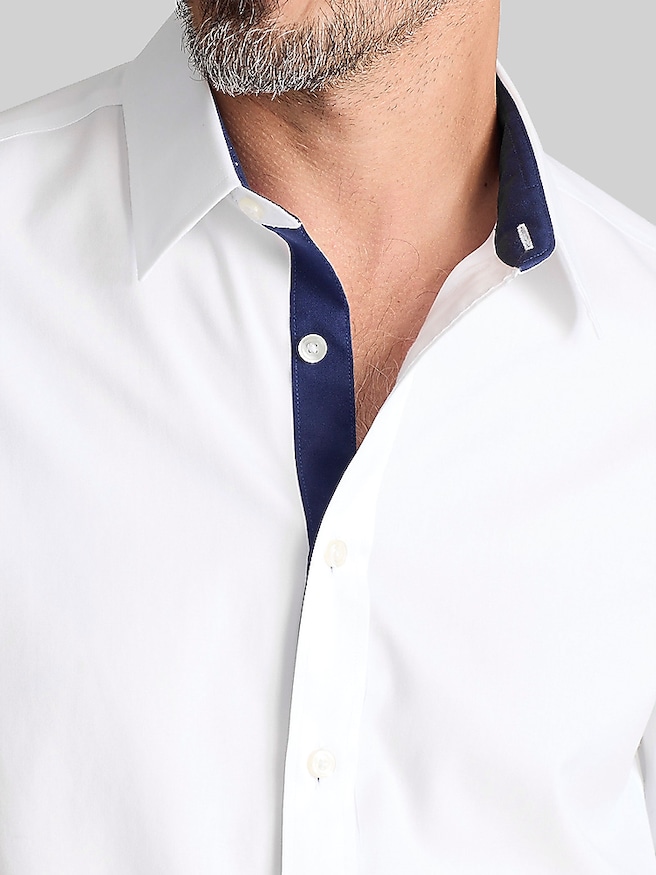
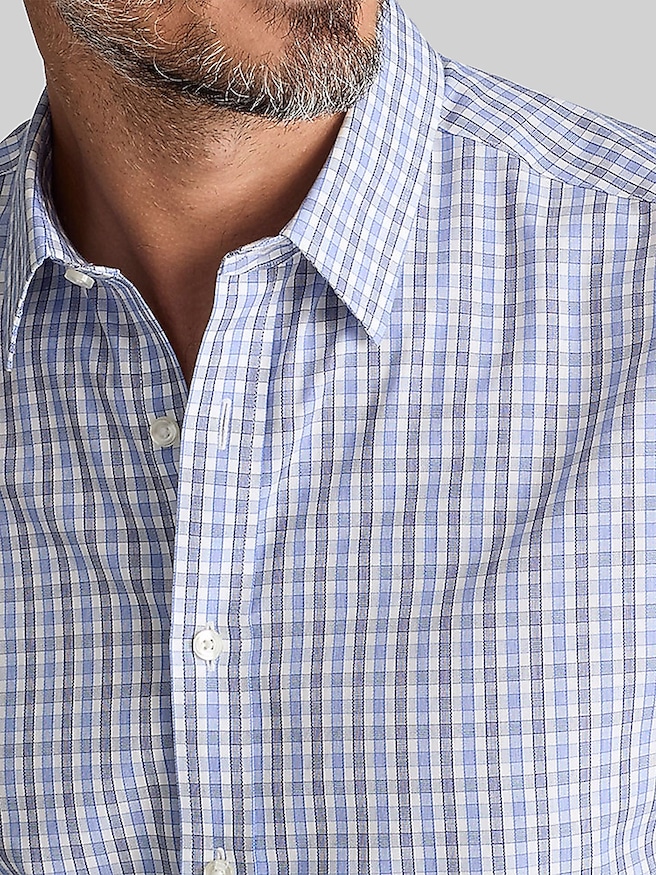
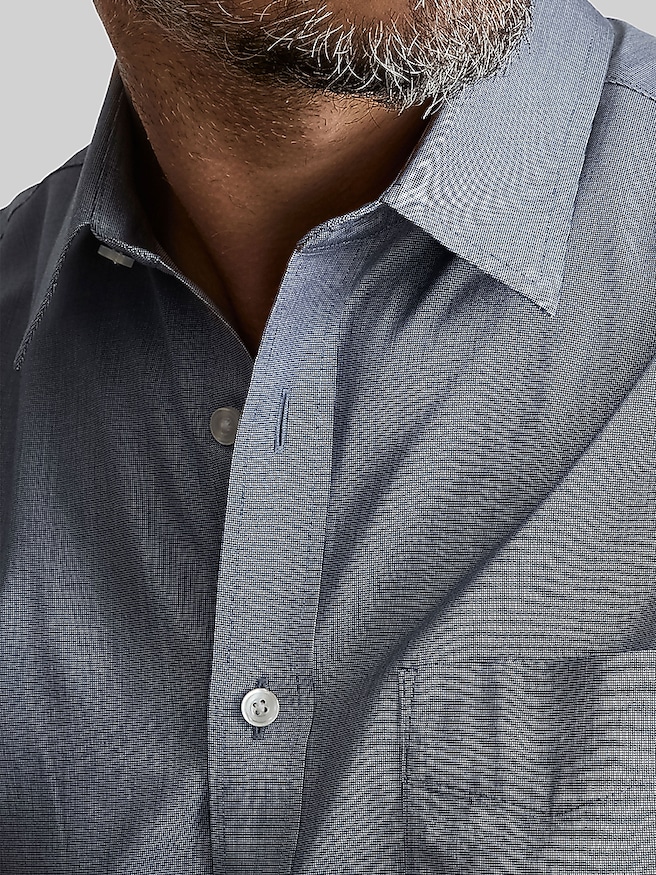
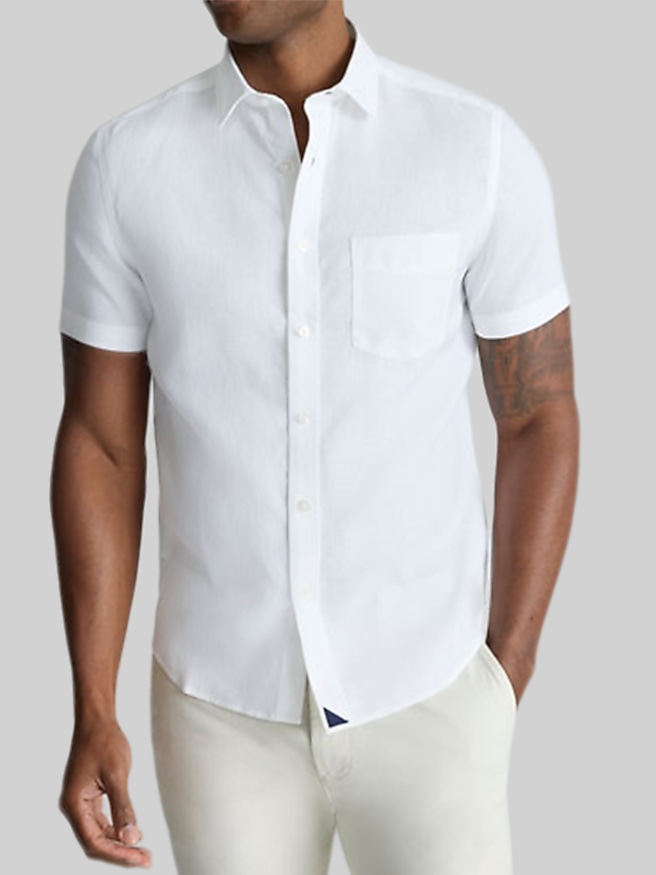
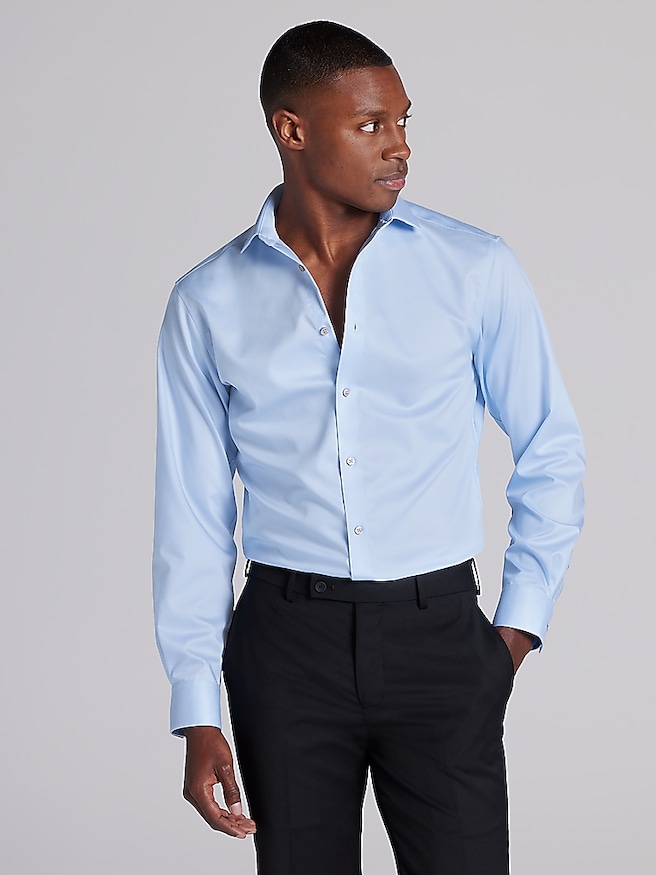
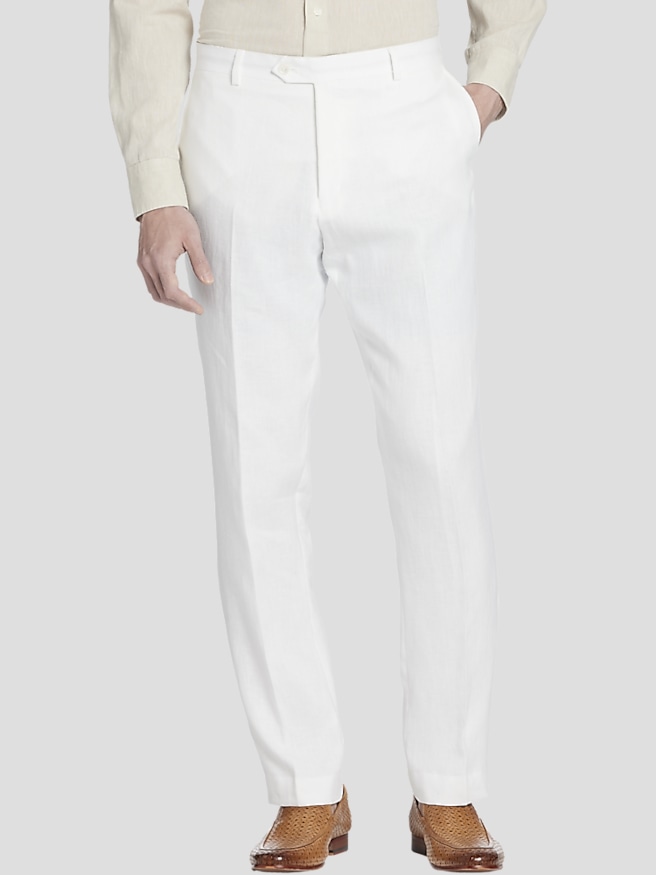
Men’s lightweight cotton outfits bring together breathable shirts, soft knit layers, and lighter-weight pants for comfortable everyday dressing without a bulky feel. The appeal is straightforward: cotton feels familiar against the skin, works across casual and smart-casual settings, and can look either crisp or relaxed depending on its weave and finish. A cotton poplin shirt has a smooth surface and a clean appearance, while cotton gauze has a softer, more textured character. Jersey adds gentle flexibility through its knit construction, making it useful for a simple base layer. Lightweight twill gives pants a little more structure without the substantial feel of heavier workwear. Fabric weight matters as much as fiber content; a dense cotton weave may feel warmer than a loosely woven fabric of the same composition. Pure cotton is a natural choice for softness and breathability, while cotton blended with a small amount of stretch fiber can offer more give through the seat, thighs, elbows, or shoulders. Other blends may improve shape retention or drying time, so the fiber label provides helpful context beyond the feel of the fabric alone. Cotton absorbs moisture but does not necessarily dry quickly, an important distinction for long outdoor walks or active travel. These outfits are particularly useful for moving between mild afternoons, cooler mornings, and heated indoor spaces. A breathable base beneath a sweater or jacket makes those changes easier to manage without requiring a heavy outfit from the start. Lightweight does not have to mean sheer or insubstantial, either. An opaque fabric with an even weave can provide coverage while still feeling airy, especially when the cut leaves a little space around the body. For everyday wear, the strongest combinations balance softness, coverage, and enough structure to suit the setting, whether that means a desk, a neighborhood coffee stop, or a casual dinner.
Fit gives lightweight cotton clothing much of its character. Because thinner fabrics tend to show pulling and bunching more readily, a comfortable cut often looks sharper than one that hugs too closely. Shoulder seams should sit near the edge of the shoulders in a traditionally cut shirt, and the front should lie smoothly without gaps between buttons. There should be enough room to reach for a bag, sit through lunch, or bend an elbow without strain across the back. Relaxed shapes allow more airflow, while a tailored silhouette creates a neater outline; neither needs to feel restrictive. Pants benefit from similar attention at the waist, seat, and thigh. A waistband that stays comfortable when seated and pockets that lie flat help an outfit look composed through a full day. Hem length also changes the impression. A clean hem with little excess fabric at the shoe feels polished, while a slightly looser leg gives a casual outfit an easy drape. Coordinated cotton separates create a cohesive look, though matching color alone is not the whole story: closely aligned fabric textures and compatible proportions help the pieces feel intentional together. Tonal combinations such as cream with tan or pale blue with navy offer another approach, bringing variety without a busy effect. For a casual office, a smooth cotton shirt and neatly finished chinos can feel appropriate without the weight of more substantial tailoring, provided the workplace dress code allows them. For a weekend gathering, a soft cotton tee beneath an open woven shirt creates depth while keeping the layers manageable. Travel days call for room to sit comfortably and pieces that combine easily across several outfits, with the understanding that cotton may develop creases along the way. As gifts, lightweight cotton separates can suit someone who prefers understated, practical clothing, especially when familiar colors, usual measurements, and established fit preferences guide the choice. Fabric feel matters, but so does knowing whether the recipient favors a tucked shirt, an easy untucked shape, or a closer-fitting base layer.
Care has a direct effect on how lightweight cotton outfits feel and hold their shape over time. The garment’s care label should always take priority, since fiber blends, dyes, trims, and construction can call for distinct methods even when two fabrics look alike. Many cotton garments can be machine washed, but water temperature and drying heat influence shrinkage, fading, and surface wear. Washing compatible colors together, turning pieces inside out when appropriate, and avoiding an overloaded drum can help limit unnecessary friction. High dryer heat may shrink cotton or stress stretch fibers in a blend; a lower setting or air drying may be suitable when the label permits it. Removing clothing promptly after drying and smoothing seams by hand helps keep creases from setting deeply. Knit pieces often benefit from being reshaped and dried flat if directed, while woven shirts may need a light press for a crisper finish. An iron setting appropriate to the fabric, with attention to any heat-sensitive components, is more useful than treating every cotton piece alike. Some texture and wrinkling are part of cotton’s appeal, particularly in casual outfits, so a perfectly pressed finish is not always necessary. Durability depends on more than thickness. Even stitching, secure buttons, neatly finished seams, and reinforcement at areas of strain can help a lighter garment stand up to regular use. Frayed pocket edges, loosened hems, and small seam openings are worth addressing early, before routine movement makes them larger. Rotating frequently worn pieces also spreads out the repeated washing and friction that gradually soften and thin fabric. Storage deserves a little attention as well: breathable space in a closet helps woven pieces keep their shape, and folding soft knits avoids stretching them on hangers. For a broader view of low-bulk dressing beyond cotton alone, Men's Lightweight Clothing offers a related category to explore. Within a cotton-focused wardrobe, the lasting appeal comes from pieces that feel good in motion, layer comfortably beneath outerwear, and maintain a tidy appearance with care that fits an everyday routine.