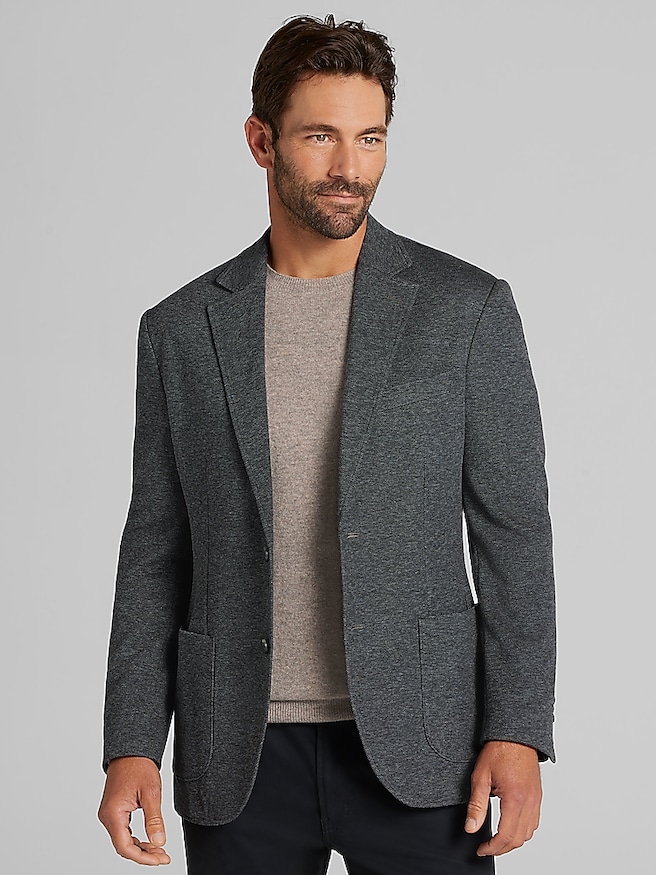
Lightweight cotton blends bring together the familiar softness of cotton and the useful qualities of complementary fibers, creating clothing that feels comfortable while maintaining a polished appearance. For smart-casual dressing, that balance matters: a shirt should look composed through a meeting without feeling stiff at dinner, and pants should hold a clean line while allowing an easy stride. Cotton provides a soft, absorbent foundation, while the other fibers help shape the fabric’s texture, movement, and care requirements. Linen can introduce subtle irregularity and an airy feel; lyocell or modal can add smoothness and fluid drape; and polyester can contribute resilience and help reduce wrinkling in some constructions. A small amount of elastane may provide stretch, though the amount of give depends on the weave and overall fabric composition. No single blend delivers every benefit, and breathability depends on fabric weight, weave, and finish as well as fiber content. The appeal of Men’s Lightweight Cotton Outfits lies in this combination of ease and definition: materials that move naturally without making an outfit look unfinished. Smooth woven fabrics lend themselves to clean, understated combinations, while slubbed surfaces and softly textured knits add depth without relying on a bold pattern. Lightweight does not have to mean flimsy or sheer, either. A well-balanced fabric can have enough coverage and body to sit neatly against the frame without excessive bulk. Muted blues, earthy neutrals, gray, and cream make useful foundations because their understated appearance leaves room for texture to do some of the visual work. Small checks, narrow stripes, and tonal patterns can add interest while remaining easy to coordinate. Across these variations, lightweight cotton blends support a version of smart casual that looks intentional rather than rigid, with enough structure for professional settings and enough softness for everyday movement. They also work well across separate pieces, so an outfit can feel coordinated without needing an exact fabric match.
Fit gives lightweight cotton-blend clothing much of its character. Excess fabric can collapse into folds, while a cut that is too close may pull across buttons, pockets, or the seat. A balanced silhouette leaves room to sit, reach, and walk without losing the garment’s shape. On a woven shirt, shoulder seams that sit near the shoulder edge and a collar that rests comfortably help establish a tidy outline. The body should fall smoothly rather than strain across the chest or billow at the waist. An untucked hem generally looks more deliberate when its length works with the wearer’s proportions; a longer shirttail is often better suited to tucking. Through the hips and thighs, cotton-blend pants benefit from comfortable clearance, with a leg shape that complements the rest of the outfit. Stretch can make movement easier, but it does not replace an appropriate fit. A clean hem with little excess fabric at the ankle often supports the streamlined look associated with smart casual. These details translate naturally into everyday combinations: a softly textured shirt with flat-front pants for a client lunch, a knit polo beneath an unstructured jacket for an office gathering, or an open-collar shirt with chinos for a restaurant reservation. Each combination has a clear purpose without demanding a full suit. Matte textures tend to feel relaxed, while a smoother finish can make the same general silhouette look more refined. Shoes and accessories complete that distinction. Loafers, understated lace-ups, or clean, minimal sneakers can work depending on the setting, with a simple belt keeping the overall appearance cohesive. Layering also benefits from lighter fabrics because a shirt can sit comfortably beneath a jacket without bunching through the sleeves or waist. Repeating one color across separate elements, or pairing a textured top with smoother pants, creates visual continuity without making every piece match. The result feels considered whether the day involves a desk, a commute, or several hours around a dinner table.
The lasting usefulness of lightweight cotton blends depends on construction and care as much as initial softness. Even stitching, secure buttons, neatly finished seams, and pocket openings that lie flat are practical details that help clothing remain presentable through repeated wear. A lighter fabric is not automatically less durable, although tightly fitted areas and frequent friction can place extra stress on any material. Smooth, closely woven fabrics and more open, textured constructions will also show wear in their own ways. Some blends may develop surface pilling, particularly where a bag strap or jacket repeatedly rubs against the fabric, while others may soften and develop a more relaxed appearance over time. Care labels provide the most reliable direction because fiber percentages, dyes, finishes, and garment construction all affect cleaning requirements. Washable cotton blends often benefit from gentle handling and avoiding unnecessary heat, which can contribute to shrinkage, fading, or damage to stretch fibers. Tailored construction may call for professional cleaning even when cotton makes up a substantial part of the fabric. Where home laundering is appropriate, following the recommended cycle and drying method helps preserve the intended shape. Prompt removal from the washer or dryer can limit deep creases, and light pressing or steaming may restore a clean finish when the label permits it. Wrinkle-resistant does not necessarily mean wrinkle-free, and a little natural texture can be part of the appeal rather than a flaw. Thoughtful care makes these fabrics useful for repeated office wear, business travel, social plans, and the ordinary routines between them. Their versatility also gives them a place in a practical gift wardrobe for a father, brother, partner, or friend who favors comfortable clothing with a polished edge. Familiar colors, a preferred silhouette, and sizing based on an existing well-fitting garment make the choice more personal. Whether worn frequently or reserved for occasions that call for an extra measure of polish, lightweight cotton blends offer an adaptable foundation built around comfort, proportion, and understated detail.