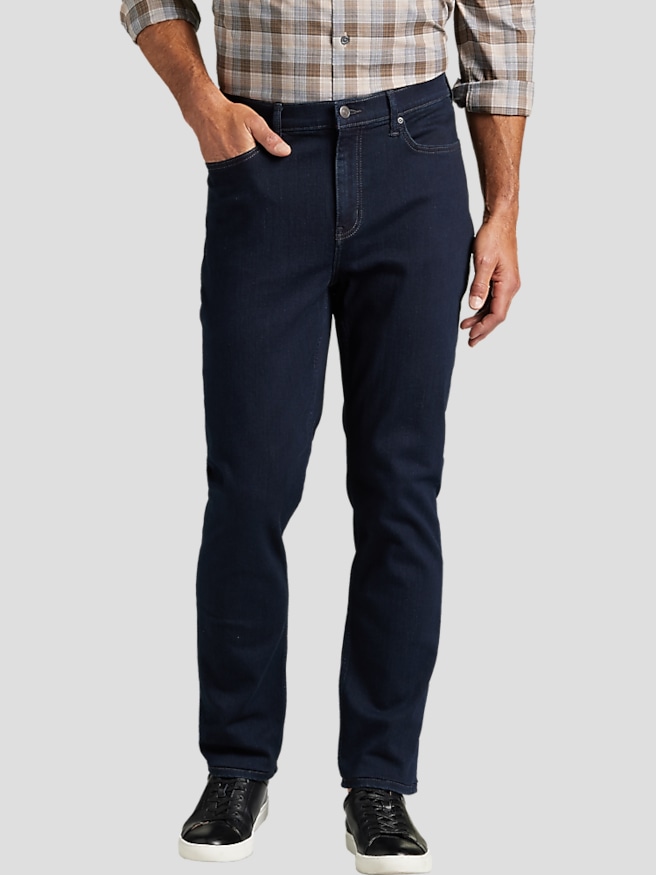
Men’s jeans are the everyday foundation that can move from a relaxed morning at home to lunch across town without requiring a complete change of clothes. Their appeal comes from a familiar combination: the structure of denim, practical pockets, and a shape that works with everything from a plain T-shirt to a button-down. Within that familiar design, fabric makes a noticeable difference. Cotton-rich denim generally has a substantial hand and a texture that becomes more personal with wear, developing creases at the lap and subtle fading around seams and pocket edges. A small amount of stretch fiber can add flexibility when sitting at a desk, climbing stairs, or settling into a car, while recovery helps the fabric return toward its original shape. Stretch and softness are separate qualities; a flexible pair can still feel structured, and a soft pair does not necessarily have much give. Fabric weight also influences the experience. Lighter denim tends to drape more easily, while heavier denim often feels firmer and holds a more defined silhouette. Neither is automatically better; the right balance depends on how much structure feels comfortable throughout an ordinary day. Color and finishing bring another layer of versatility. Deep indigo and black create a cleaner visual line, medium blue has a familiar casual character, and lighter washes emphasize denim’s relaxed side. Fading, whiskering, and distressed details change the overall impression, making the finish as important as the basic color when putting together an outfit. Construction matters, too. Neat seams, reinforced stress points, secure belt loops, and smoothly functioning closures all contribute to everyday performance. Pocket placement can subtly affect the way jeans look from the back, while pocket depth influences how comfortably a phone or wallet sits. These small details become especially noticeable in clothing worn repeatedly, where comfort depends as much on the way a garment is built as on its appearance.
Fit determines how all those fabric and design details come together on the body. A straight leg creates a fairly consistent line from the knee to the hem, making it an easy match for sneakers, casual leather shoes, and many boots. Slim fits sit closer through the seat and thigh for a more defined silhouette, while athletic cuts generally provide additional space through the seat and thighs before narrowing toward the ankle. Relaxed shapes allow more room overall, which can feel especially comfortable for anyone who prefers a looser drape. Those descriptions are useful starting points, but the relationship between the waist, rise, and thigh matters more than the fit name alone. A waistband should feel secure without digging in when seated, and the fabric across the front should lie comfortably rather than pulling into pronounced horizontal lines. The rise affects where the waistband rests and how a tucked shirt sits, while the leg opening influences whether the hem falls cleanly over footwear or gathers above it. Length deserves equal attention: a slight break can look easygoing, while excessive stacking can make even a well-fitting pair seem oversized. The most useful fit leaves enough freedom for everyday movement without depending on a belt to hold everything in place. That balance also makes jeans easier to style across casual settings. Medium-blue denim, a knit polo, and clean sneakers suit an informal lunch or a casual gathering. A darker, minimally faded wash creates a sharper base for a button-down, an unstructured jacket, and footwear explored in Dress Shoes Under $100. The combination works best when the occasion welcomes denim; a polished finish does not replace a formal dress code. For workplaces that permit jeans, restrained washes and an uncomplicated silhouette can help an outfit feel considered without looking stiff. On days centered on errands, travel, or a casual meal, softer denim and comfortable room through the hips and knees bring the focus back to ease.
With regular wear, denim develops character, but thoughtful care helps keep that character from becoming premature damage. The care label is the best starting point because dyes, stretch fibers, and decorative finishes can call for different treatment. When machine washing is permitted, turning jeans inside out and washing with similar colors can help reduce surface abrasion and visible color loss. Dark denim may transfer dye, particularly early on, so caution around light upholstery, pale shoes, and light-colored clothing is worthwhile. Cool water and a measured amount of detergent are often suitable when the label allows them; more detergent does not necessarily mean a cleaner result and can leave residue behind. Washing frequency depends on actual wear, activity, and soiling rather than a fixed schedule. A small mark may need only careful spot cleaning, while jeans worn through a long, active day may need a full wash. Drying also affects longevity. High heat can contribute to shrinkage and place stress on stretch fibers, while air-drying or a lower-heat setting may be appropriate when supported by the care instructions. Reshaping the legs and smoothing the waistband before drying can help preserve a tidy appearance. Everyday habits matter beyond the laundry room: overfilled pockets can distort the seat, sharp objects can abrade pocket fabric, and pulling repeatedly on belt loops can strain their attachment points. Rotating between pairs allows time for cleaning and airing without making one pair carry every day’s wear. Jeans can also make a practical gift for a dad, brother, partner, or friend whose preferred size and fit are already familiar. Waist and inseam measurements are useful, but a favored rise, leg shape, and amount of stretch can be just as important to getting the feel right. Whether chosen for personal use or as a gift, jeans earn a lasting place in a wardrobe through comfortable movement, dependable construction, and a finish that suits the way they will actually be worn.