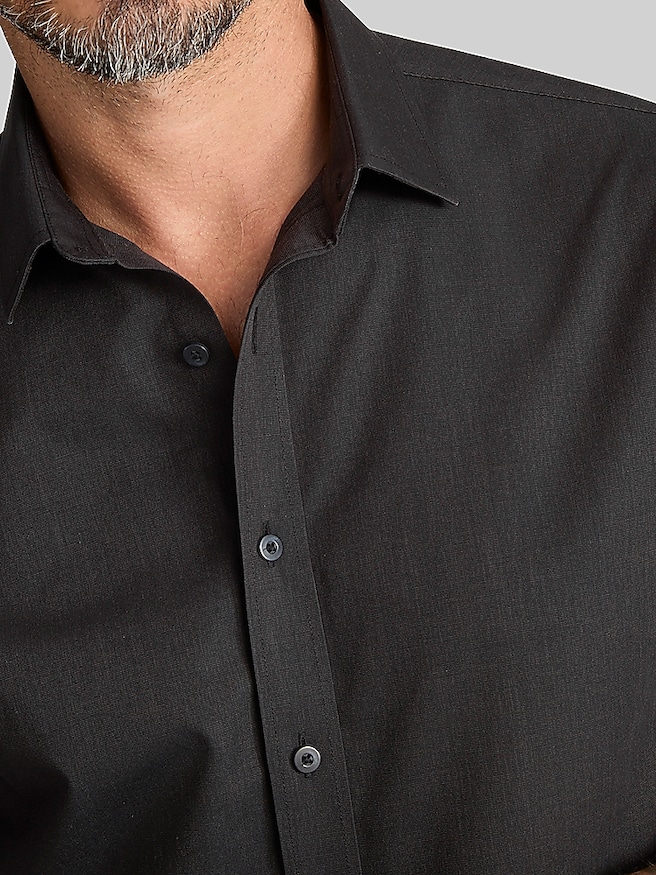
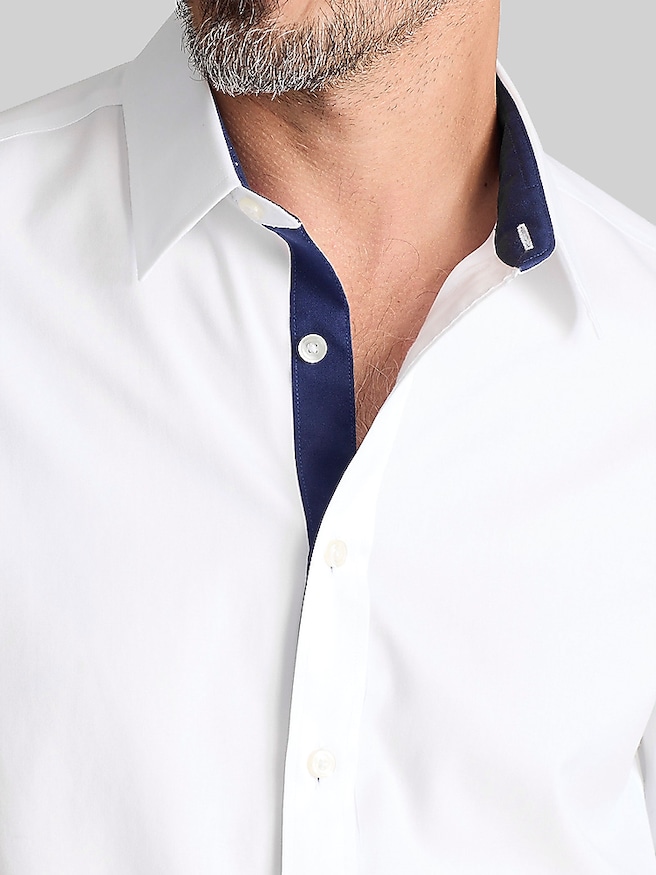
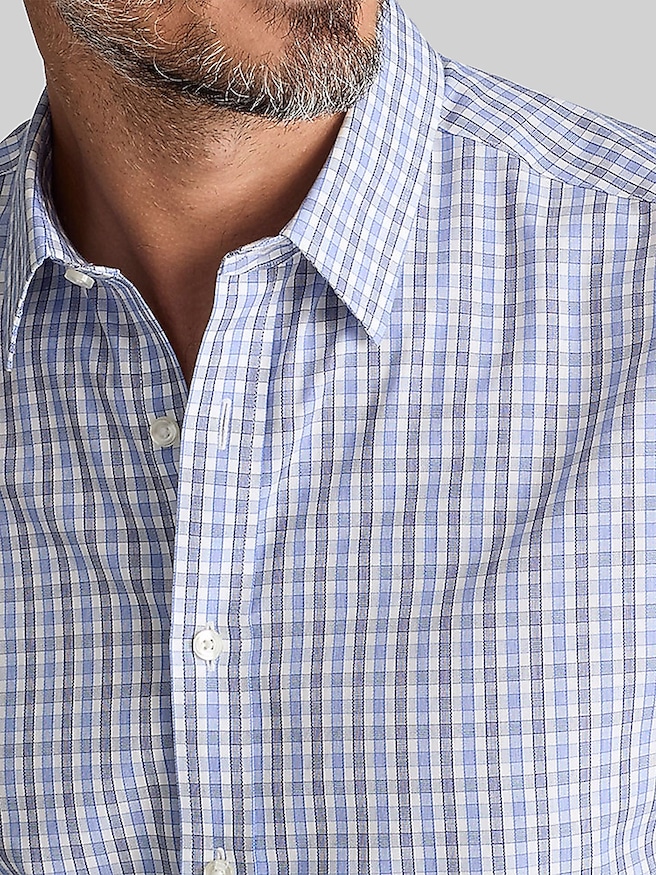
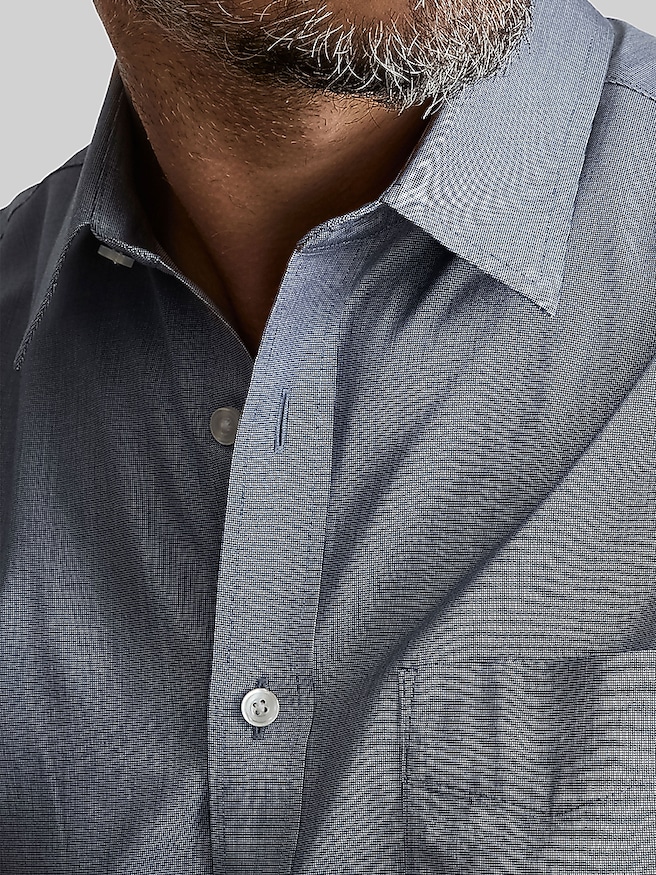
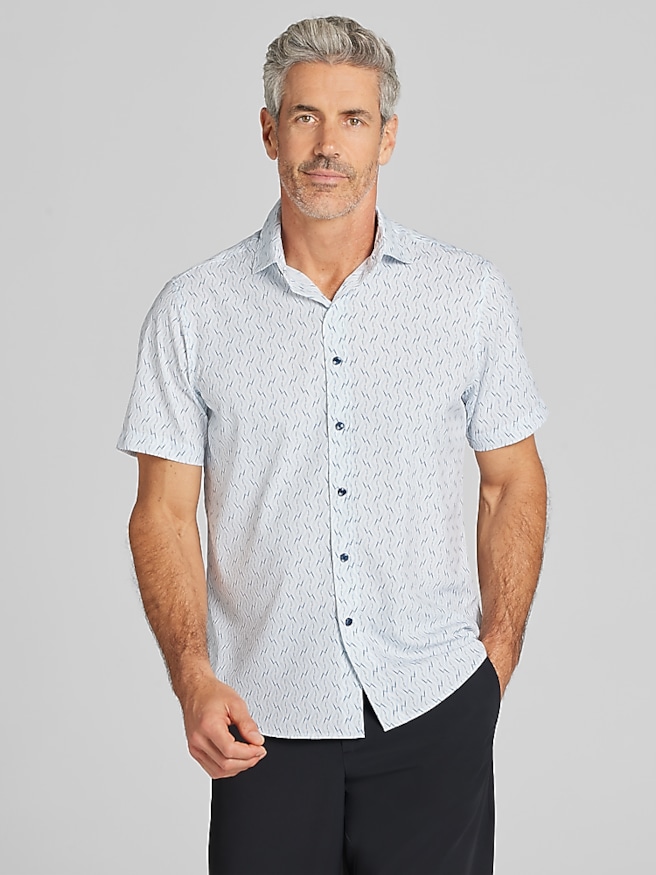
Men’s island wear brings together breathable fabrics, easy silhouettes, and relaxed tailoring for warm climates and coastal settings. It sits between everyday casual clothing and traditional dress attire, with enough polish for a waterfront dinner and enough ease for an afternoon beneath the palms. Linen shirts, cotton shorts, lightweight trousers, and softly constructed layers are central to the look, often in sandy neutrals, ocean blues, sunwashed greens, or tropical prints. The appeal is practical as much as visual: clothing that allows air to circulate feels more comfortable when the walk from a hotel lobby to an outdoor terrace includes heat, humidity, and bright sun. Linen has a naturally textured surface and a crisp feel that softens with wear, while its characteristic creases suit the unstructured mood of island dressing. Cotton offers familiar softness, though fabric weight and weave matter as much as fiber content; a loosely woven cotton shirt can feel noticeably airier than a dense knit. Linen-cotton blends combine qualities of both fibers, with the exact drape, texture, and wrinkle behavior depending on their proportions and construction. Some lightweight fabrics include stretch for easier movement, but stretch alone does not indicate breathability or moisture management. These distinctions help shape a wardrobe suited to the setting, whether that means a cruise, a beachside celebration, a tropical getaway during the cooler months, or daily life in a warm coastal town. Color and pattern provide another way to set the mood without sacrificing versatility. An ivory shirt and stone-colored trousers feel understated against a bright outdoor backdrop, while a botanical print adds personality to otherwise simple separates. Keeping one part of an outfit visually quiet lets texture or pattern stand out without competing for attention. Island clothing does not have to be brightly printed to belong in this category; a restrained palette and an airy fabric can convey the same relaxed character with a more polished finish.
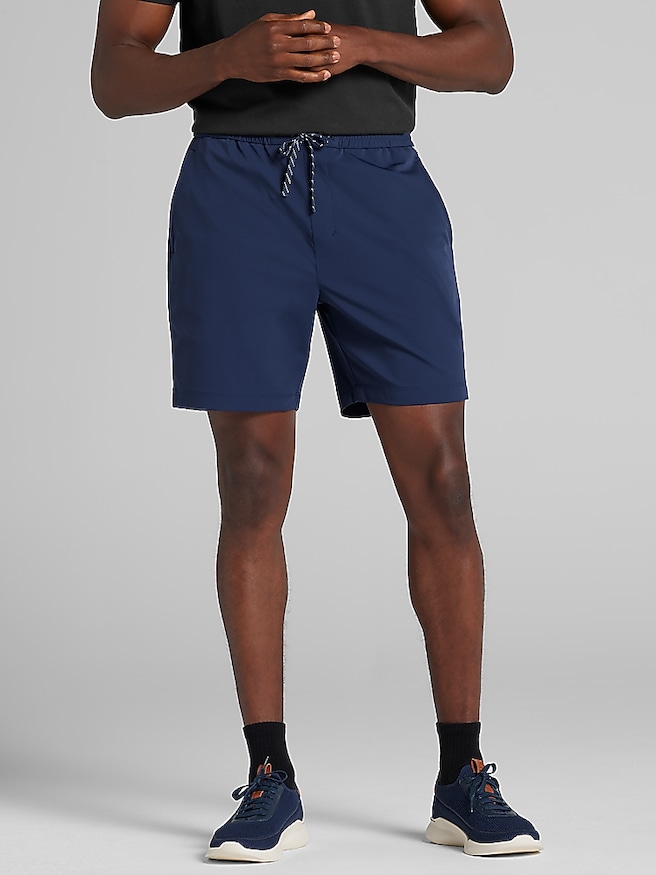
Fit gives men’s island wear its balance of comfort and intention. A relaxed shirt should offer room through the chest and back without pulling across the buttons when seated, yet still sit neatly at the shoulders. Sleeves and armholes also deserve attention, especially for days that involve carrying a travel bag, reaching overhead, or lingering over a long outdoor meal. Camp collars create an open neckline with an easygoing feel, while conventional shirt collars can look more dressed up beneath a lightweight jacket. A straight hem often works well untucked, provided its length stays in proportion with the trousers or shorts below it. Longer, curved hems generally lend themselves to tucking, particularly when an occasion calls for a belt and a cleaner waistline. Below the waist, an easy fit through the seat and thighs allows movement without requiring an oversized silhouette. Lightweight trousers that fall cleanly toward the shoe offer a useful transition from daytime sightseeing to an evening reservation. Excess fabric pooling at the ankle can look heavy and may brush against damp walkways or sand, so length is worth considering alongside waist size. For casual settings, Mens Resort Wear Shorts suit the same breathable, easy-to-coordinate approach, with inseam length and leg opening influencing how the overall outfit looks and feels. Shorts should remain comfortable when seated and allow a natural stride rather than gripping the thighs. Occasion still matters: a poolside lunch and a destination wedding may share a coastal backdrop but require distinct levels of formality. Event dress codes take priority over the scenery, and lightweight tailored separates can provide a more appropriate option where shorts would feel too casual. Loafers and minimal sneakers can finish relaxed outfits, while more formal occasions may call for dress shoes. A fine-gauge layer or an unstructured jacket also has a place in an island wardrobe, particularly in air-conditioned dining rooms or on breezy evenings near the water. The most useful combinations feel cohesive without depending on every piece being an exact match.
Long-term comfort and durability depend on fabric construction, finishing, and care as well as appearance. Lightweight does not have to mean fragile, but open weaves and loosely knitted textures can be more vulnerable to snags from rough seating, jewelry, or bag hardware. Smooth seams, securely attached buttons, and neatly finished hems are useful details to assess in clothing intended for repeated travel and frequent wear. Fabric opacity matters, too, especially with pale shades worn in strong daylight; checking how a material looks against the skin can prevent surprises outdoors. Care labels should guide washing, drying, pressing, and professional cleaning, since two garments with similar textures may need very different treatment. Some linen and cotton clothing can be washed at home, while structured pieces or particular finishes may require professional care. Excessive dryer heat can contribute to shrinkage in susceptible fabrics, and leaving clean clothing tightly compressed can deepen creases. When the label permits, gentle reshaping after washing and prompt removal from the dryer can make finishing easier. Pressing or steaming at the recommended setting helps restore a neater appearance, although a little natural rumpling is part of linen’s appeal rather than a sign that an outfit is unfinished. After a day near saltwater or a chlorinated pool, follow the garment’s care directions to address residue; ordinary island clothing is not a substitute for swimwear, and a lightweight shirt should not be assumed to offer rated sun protection. Packing also becomes simpler when colors and proportions work across several combinations. A few compatible neutrals alongside a favorite print can cover casual breakfasts, shaded walks, and relaxed dinners without making every outfit look identical. Allowing garments to dry fully before packing them away helps avoid trapping moisture after a humid day. For gifting, island-inspired clothing can suit someone preparing for a honeymoon, celebrating a retirement trip, or spending more time in a coastal climate. Familiar sizing, preferred sleeve lengths, and the recipient’s comfort with prints are more useful starting points than choosing the boldest pattern. The lasting appeal of men’s island wear comes from that combination of personal style and everyday practicality: breathable textures, considered proportions, and clothing that feels at home wherever warm air and an unhurried setting shape the day.