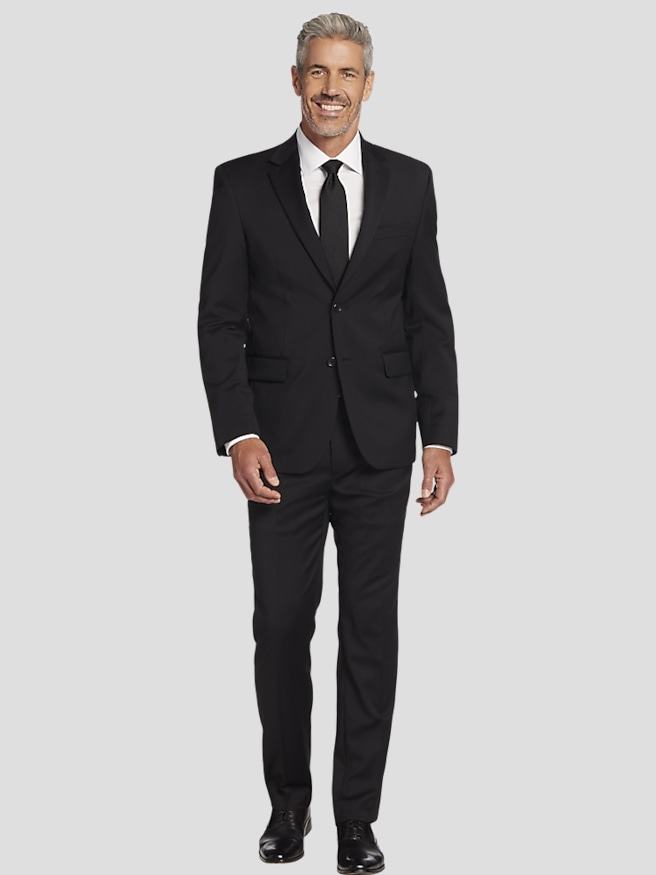
Men’s indoor jackets are layers designed for comfort and a finished appearance inside the home, with styles ranging from relaxed house jackets to tailored smoking jackets. They offer more structure than a robe without necessarily having the weight, protective construction, or restrictive feel of outdoor outerwear. A house jacket can make a T-shirt and lounge pants feel more put together, while a velvet jacket with a shawl collar brings a dressier character to an evening spent hosting friends. The distinction is less about a strict dress code than about how the garment feels and functions: easy movement, comfortable sleeves, useful pockets, and a shape that works while sitting are central to indoor wear. Cotton, fleece, knitted fabrics, velvet, and quilted constructions each bring a distinct texture and level of structure. Smooth cotton has a clean, understated appearance, while brushed cotton offers a softer surface. Fleece is typically lightweight and pliable, making it suited to relaxed downtime. Knit constructions can move comfortably with the body, though their shape retention depends on the fiber blend and construction. Velvet has a directional pile that catches the light, giving darker colors depth without requiring a bold pattern. Satin may appear as a smooth facing or lining rather than as the main fabric, and quilting adds texture while helping hold internal layers in place. These details influence both appearance and everyday comfort. A shawl collar sits differently against the neck than a stand collar, and a fully lined jacket can slide over a shirt more easily than an unlined style with a textured interior. For someone reading in an armchair, working at a home desk, or greeting guests before dinner, the right indoor jacket feels intentional without demanding the formality of a suit. Its appeal lies in that middle ground: more composed than basic loungewear, more relaxed than conventional tailoring, and comfortable enough to remain part of the outfit after the door closes.
Fit matters as much when seated as it does when standing in front of a mirror. Men’s house jackets generally benefit from enough room through the chest, upper back, and arms to accommodate the clothing worn underneath without excess fabric bunching at the sides. A jacket intended to go over a lightweight T-shirt may fit differently from one worn over a button-front shirt, so the expected base layer is an important consideration. Shoulder seams on a conventionally tailored design should sit close to the shoulder line; deliberately relaxed or dropped-shoulder constructions will have a different silhouette. Sleeves should allow the elbows to bend freely and should not interfere with a keyboard, a book, or a place setting. A longer hem offers more coverage, but extra length can gather underneath the body when sitting, particularly in a structured fabric. Shorter designs can feel less cumbersome at a desk or dining table. Closures also change the experience of wearing the jacket. Buttons create a familiar tailored front, a zipper allows quick adjustment, and a belt offers flexibility through the waist while adding loose ends that some wearers may prefer to avoid. Pockets deserve similar attention. Patch pockets are easy to reach and contribute to a relaxed look, while inset pockets maintain a cleaner outline. Carrying a phone in a soft pocket can pull the front out of shape, so pocket placement and reinforcement matter for regular use. For an understated outfit, an indoor jacket in navy, charcoal, brown, or another muted shade can sit comfortably alongside cotton trousers and a simple knit shirt. Richer textures can provide the visual interest on their own. A velvet or quilted jacket does not need elaborate accessories to look considered; a clean shirt collar and well-fitting pants often provide enough contrast. The most useful choice reflects familiar habits rather than an imagined occasion, whether that means daily home-office wear, quiet evenings, or informal entertaining.
Care requirements and construction help determine how well an indoor jacket fits into those routines over time. The garment’s care label should take priority over general assumptions about its fabric, because linings, trims, internal structure, and fiber blends can change the recommended cleaning method. Some cotton and fleece garments permit machine washing, while structured, velvet, or embellished designs may require professional cleaning or more specialized treatment. A soft surface is not necessarily a low-maintenance one: fleece and knits can develop pills through friction, and velvet pile can become marked by pressure or unsuitable ironing. Avoiding unnecessary heat, fastening closures before laundering when the label permits it, and allowing a garment to dry in the recommended shape can help preserve its finish. Durable indoor jackets also depend on details that are easy to overlook, including secure buttons, even stitching, reinforced pocket openings, and lining that does not pull across the back or sleeves. Areas that rub against chair arms or desk edges may show wear first, making sturdy seams and an appropriate fabric weight especially relevant for frequent use. Storage should suit the construction, too. A shaped hanger can support a tailored jacket, while a heavier knit may keep its proportions better folded rather than suspended. As a gift, an indoor jacket can suit a partner, father, brother, or friend who appreciates comfortable clothing with a little more polish. Familiar measurements, preferred textures, and willingness to follow a particular care routine are more useful clues than guessing from appearance alone. Someone who favors easy-care basics may get more use from a straightforward washable layer, while someone who enjoys dressing for an evening at home may appreciate a more tailored silhouette. Indoor designs remain distinct from outerwear made for time outside; Men's Casual Winter Jackets represents a separate category for that purpose. For indoor wear, comfort in motion, manageable care, and a shape that complements everyday clothing are the qualities that make a jacket feel like a natural part of a personal wardrobe.