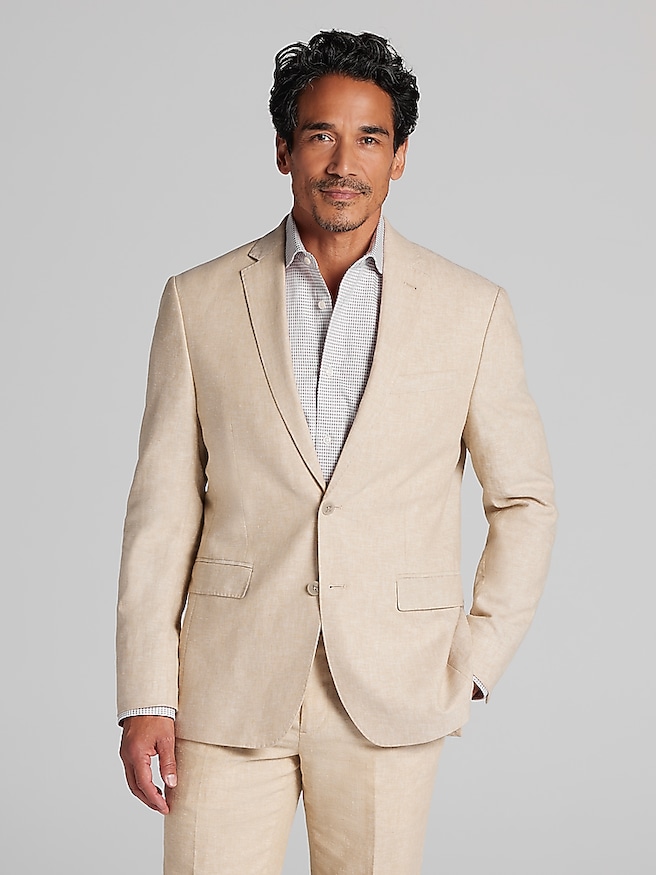
Men’s hosting outfits set the tone before the first guest steps through the door. The right combination looks intentional while leaving room for everything hosting involves: carrying a tray, reaching across a table, introducing friends, and settling into a long conversation. For a relaxed gathering, smart-casual clothing such as a button-down shirt, tailored chinos, and loafers creates a polished look without making an informal evening feel ceremonial. A knit polo with well-fitting trousers offers a similarly approachable option when the invitation calls for casual attire. Dinner-party outfits can lean dressier with a sport coat, an open-collar dress shirt, and dark trousers, particularly when the evening includes a seated meal or guests meeting for the first time. Cocktail attire generally calls for a suit, a dress shirt, and leather dress shoes, with a tie adding a more finished appearance. A tuxedo belongs to a black-tie occasion rather than an ordinary dinner at home, so the invitation and setting remain the clearest cues. Across these dress codes, the most useful hosting clothes have enough structure to look composed and enough ease to keep attention on the gathering. Navy, charcoal, gray, and tan provide versatile foundations, while burgundy, muted green, or a subtle pattern can add personality without dominating the outfit. Texture makes a difference, too: a softly textured jacket over a smooth shirt feels considered even with restrained colors. For a birthday dinner, an anniversary celebration, or an evening welcoming colleagues, an outfit that sits comfortably within the stated dress code helps guests feel at ease. A host need not look more formal than everyone else; clean lines, a good fit, and well-kept shoes often communicate the occasion more effectively than extra accessories. Clothing that still looks complete after the jacket comes off is especially practical when the evening moves from greeting guests to serving dinner. A shirt that sits neatly at the collar and trousers that hold their shape keep that simpler combination looking deliberate.
Fabric and fit determine how hosting attire feels several hours into an event, not just how it looks at the door. Cotton shirts offer a familiar, breathable feel, with the weave influencing their character: a smooth poplin reads crisp, while an Oxford cloth has more visible texture and often suits a relaxed gathering. Cotton chinos bring a less formal finish than dress trousers, making them useful alongside knitwear, polos, and casual tailoring. Wool trousers and suits can provide a clean drape and natural resilience, although performance depends on the cloth, construction, and care. Blends containing stretch fibers may offer additional flexibility through the shoulders, seat, or knees; that give is useful when hosting includes frequent movement, but it does not replace a well-proportioned fit. A softly constructed sport coat can feel less restrictive than a heavily structured jacket while still giving the outfit definition. Jacket shoulders should follow the body without extending noticeably beyond it, and the chest should close without pulling into an X around the button. Sleeves that allow a little shirt cuff to show keep the proportions tidy without covering the hands. Shirt fit matters just as much: the collar should sit comfortably, the front should lie flat, and the back should allow an easy reach without excess fabric bunching at the waist. Trousers need room to sit naturally, with a waistband that stays comfortable through a meal and pockets that do not flare open. Slim, tailored, and classic silhouettes can all work for hosting; the distinction is the amount of ease, not a ranking of how dressed up someone looks. A clean hem with little or no break creates a streamlined finish, while a slight break offers a more traditional appearance. Trying an outfit while seated, reaching forward, and walking gives a more realistic sense of comfort than standing still in front of a mirror. The result should feel secure and familiar, with no need to keep adjusting a collar, tugging down a shirt, or pulling at a waistband between conversations.
Finishing details help hosting outfits feel complete without adding unnecessary fuss. Leather loafers work with many smart-casual combinations, while lace-up dress shoes give suits and dress trousers a sharper finish. Comfortable fit, a secure heel, and dependable traction matter when the host spends much of an evening on foot. A belt in a compatible leather tone creates continuity, though the pieces do not need to match with absolute precision. Ties and pocket squares can introduce a small amount of color or pattern; letting one detail lead usually looks more natural than making every accessory compete for attention. A solid shirt is an easy backdrop for a patterned jacket, and a textured tie can give a plain suit depth without making it look busy. Practical details deserve equal attention, including pockets that hold essentials without bulging and cuffs that stay clear while serving food. For repeated wear, durable construction and appropriate care help preserve the appearance of these clothes. Secure buttons, even seams, and neatly finished edges are useful signs to examine, while fabric weight alone does not establish quality. Care labels should govern cleaning: some shirts and trousers tolerate machine washing, while tailored jackets and certain fabrics require professional attention. Prompt treatment of spills according to the fabric’s instructions, pressing or steaming when appropriate, and hanging garments on suitable hangers help keep an outfit presentable between occasions. Shoes benefit from cleaning, conditioning when appropriate to the material, and time to rest between wears. These habits support a wardrobe that can move from a small dinner to a milestone celebration through changes in shirts, shoes, and accessories rather than an entirely separate look for every invitation. For occasions spent attending rather than hosting, Party Guest Outfits For Men offers a related perspective on dressing for the gathering. Whether welcoming close friends or hosting a more formal reception, thoughtfully fitted clothing leaves space for the part guests remember most: a host who seems comfortable, attentive, and glad to have everyone there.