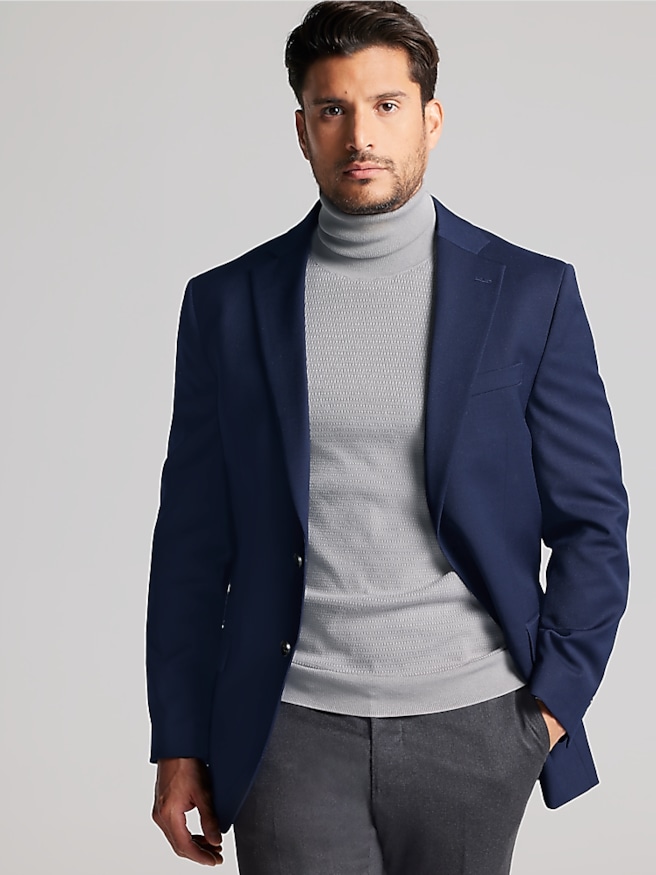
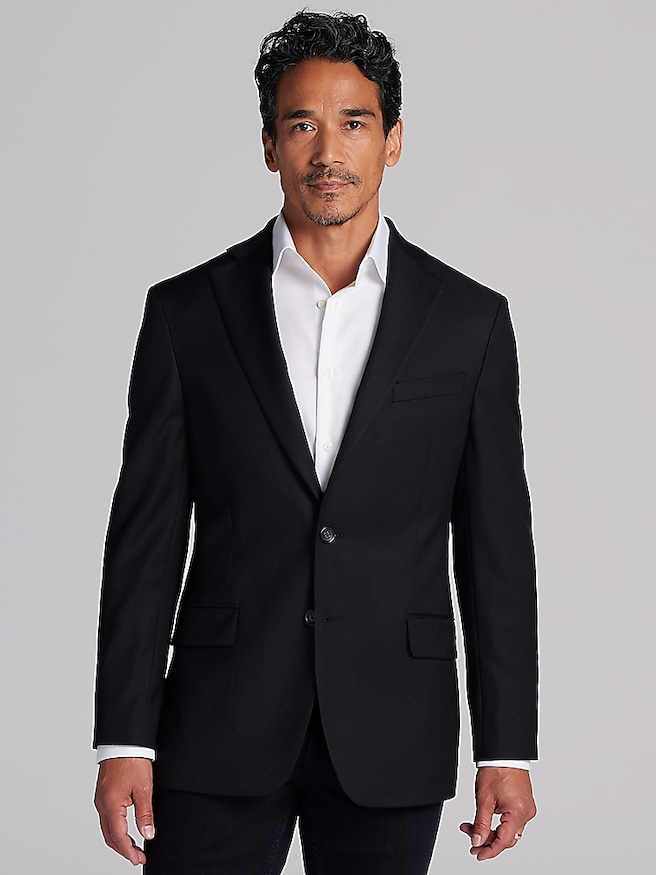
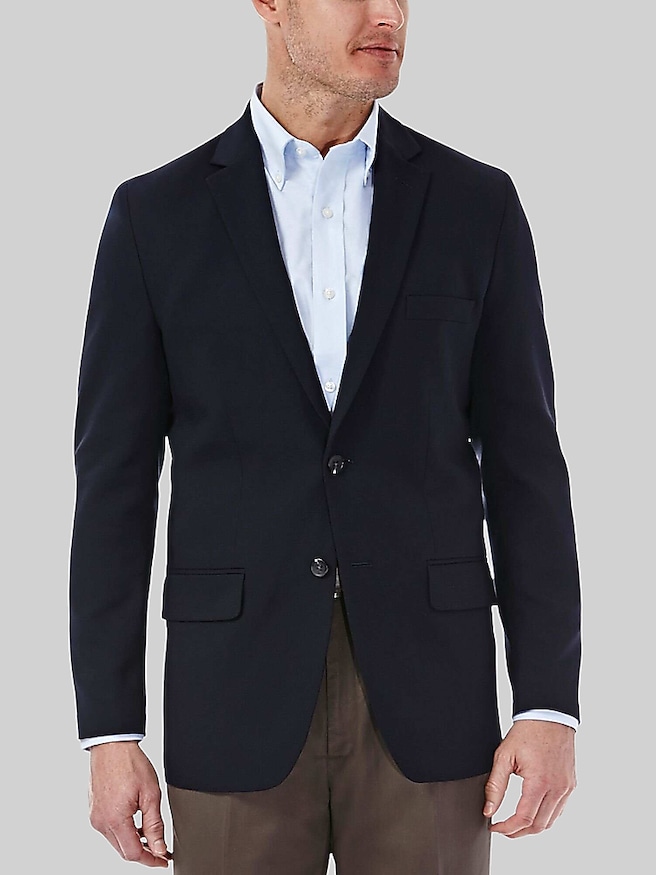
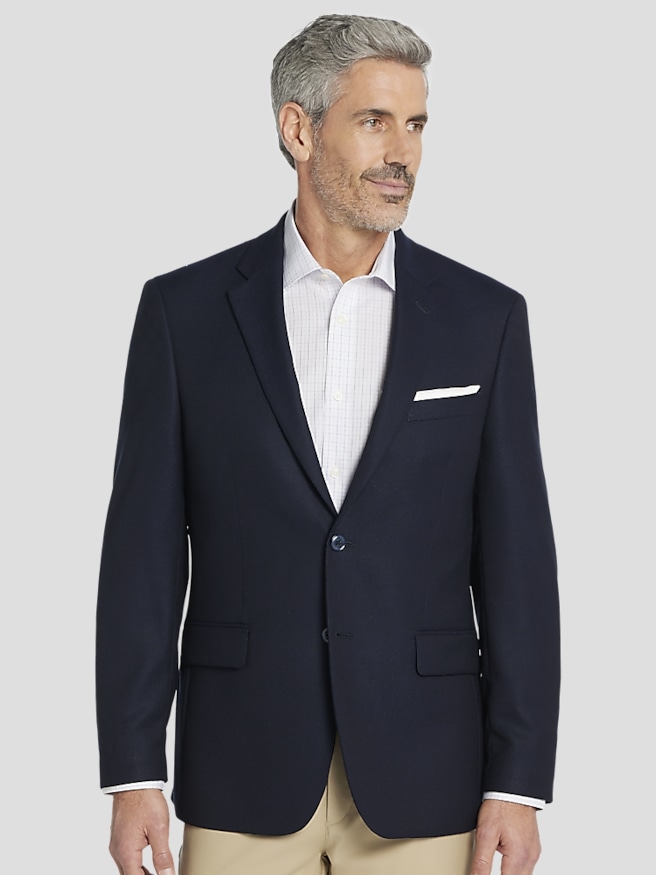
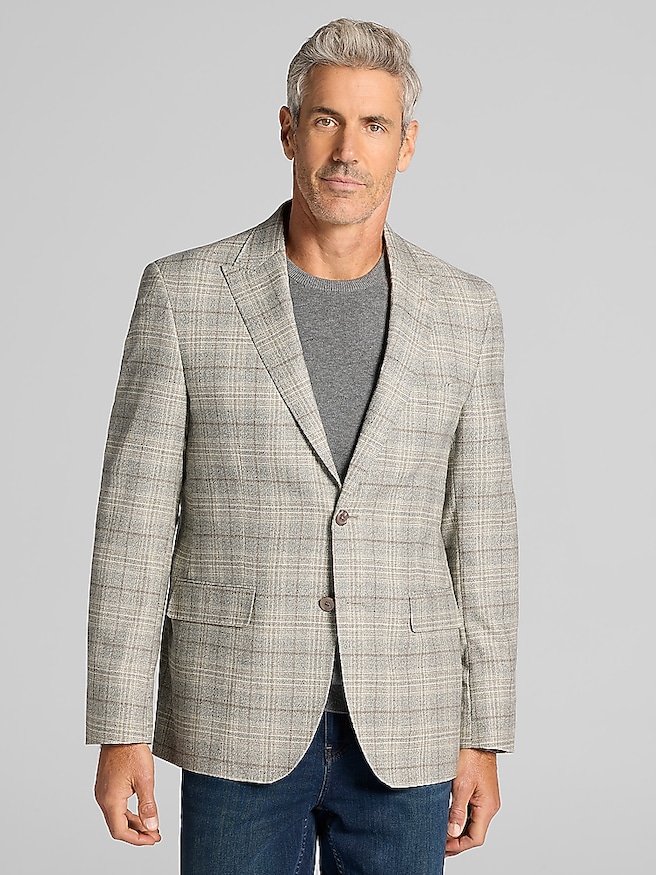
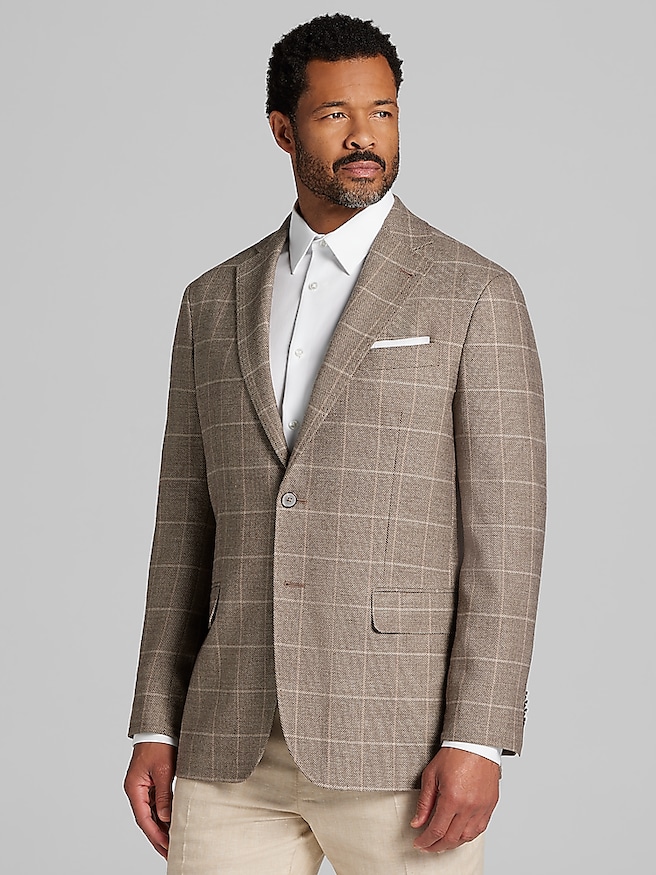
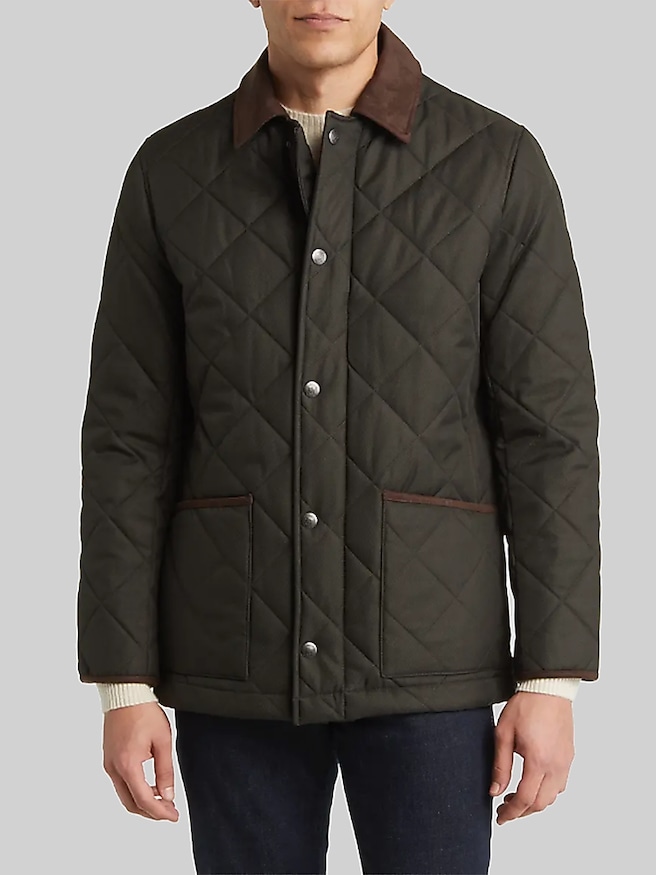
Men's green sport coats offer a distinctive alternative to navy, gray, and brown tailoring, with shades that range from muted olive and sage to deep forest green. A sport coat is designed to work as a separate jacket rather than as part of a matching suit, making it a useful choice for business-casual offices, dinner reservations, receptions, and other occasions that call for a tailored appearance without a full suit. Green gives that familiar silhouette added character while remaining easy to pair with neutral trousers and shirts. Olive has an earthy quality that sits naturally beside tan, cream, charcoal, and dark denim; forest green creates a richer contrast with a white shirt or light gray trousers. Sage reads softer and lighter, especially when balanced with deeper-colored pants. Fabric plays as much of a role as color in the finished look. Wool can provide a smooth drape, resilience, and a refined surface, while cotton often creates a more relaxed impression. Linen brings visible texture and a tendency to wrinkle that suits less structured dressing. Blended fabrics combine characteristics, though their feel and care needs depend on the specific fiber content and construction. A subtle herringbone, basket weave, or tonal check can add depth without making a green jacket difficult to coordinate. Smooth fabrics tend to look dressier, while pronounced texture makes the jacket feel more at home with chinos or jeans. Construction matters, too: a softly shaped shoulder and lighter internal structure create an easy silhouette, while more structured tailoring gives the chest and shoulders greater definition. Lining affects how a jacket moves over a shirt, and the weight of the fabric influences its drape. Together, these details determine whether a green sport coat feels crisp and formal or relaxed and tactile. Notch lapels are a familiar, versatile detail, and patch pockets can reinforce the separate-jacket character, especially when paired with a textured fabric. The result is a category with room for both restrained everyday tailoring and more expressive occasion dressing.
The fit of a green sport coat should allow the color and fabric to stand out without pulling attention toward tightness or excess cloth. Shoulder seams generally sit near the natural edge of the shoulders, and the collar should rest against the shirt collar rather than lifting away from the neck. When buttoned, the jacket front should lie comfortably across the torso; pronounced creases radiating from the button can signal that the fit is too close. Some waist shaping creates definition, but comfortable movement remains important for sitting through dinner, reaching across a desk, or greeting guests. Sleeve length often leaves a small amount of shirt cuff visible, and jacket length should look balanced with the wearer's torso and legs. Slim, tailored, and classic fit labels can describe different proportions, but those labels are not identical across all garments. Measurements and the way the jacket rests on the body are more useful than the name alone. Shoulder fit deserves particular attention because sleeve length and modest waist adjustments are generally more straightforward alterations than changes to the shoulder structure. With the proportions settled, green sport coats support several distinct looks. An olive jacket with a light blue oxford shirt, stone chinos, and brown loafers feels composed for an office meeting followed by dinner. A forest green jacket with charcoal dress trousers, a white shirt, and dark leather shoes has a dressier character for a reception or an evening celebration where a suit is not required. For a more casual setting, dark, clean-finished jeans and a plain knit shirt keep the jacket from feeling overly formal. Contrast helps the outfit look intentional: trousers that are nearly, but not exactly, the same green can resemble an unmatched suit. Brown shoes tend to emphasize green's earthy side, while black shoes can give darker shades a sharper edge. A burgundy tie or a restrained patterned pocket square adds interest, though either accessory can be enough when the jacket already has a visible weave or check.
Long-term wear depends on thoughtful care as well as fabric and construction. The care label is the best reference for cleaning a green sport coat, since a jacket combines outer fabric, lining, interfacing, and shaping that may respond differently to moisture and heat. A washable fiber does not necessarily mean the finished jacket belongs in a washing machine. For pieces labeled dry-clean only, professional cleaning helps protect the structure, but routine care between cleanings is useful as well. A broad, shaped hanger supports the shoulders, and enough room in the closet helps prevent the lapels and sleeves from being crushed. Emptying pockets after wear reduces strain and keeps the jacket from developing bulges. Surface dust and lint can often be removed with a soft garment brush used gently in the direction of the fabric. Spills deserve prompt attention: blotting rather than rubbing helps avoid pushing a mark farther into the cloth, while persistent stains are better assessed by a cleaner familiar with tailored garments. Direct heat and aggressive pressing can create shine or damage delicate fibers, so pressing methods should follow the garment's care requirements. Durability also involves small habits, such as unbuttoning the jacket before sitting and avoiding overfilled interior pockets. For someone who regularly attends client meetings, community gatherings, or celebratory dinners, a green sport coat can become a useful part of a rotating wardrobe rather than a piece reserved for one event. It can also make a thoughtful gift for a graduate beginning a professional wardrobe, a partner who enjoys tailored clothing, or a family member known for wearing earthy colors. Accurate measurements and an understanding of the recipient's preferred fit matter more than guessing from a usual shirt size. For a broader look at this color family beyond tailored separates, the Men's Green Coats category is another place to explore. Within a tailored wardrobe, green earns its place through adaptable color, tactile fabrics, and proportions that feel comfortable in real life.