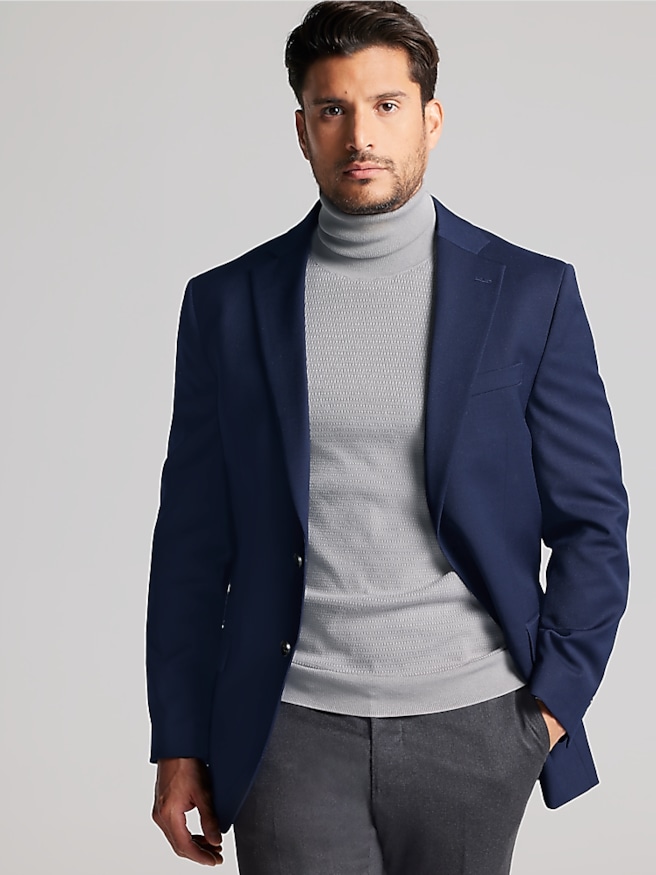
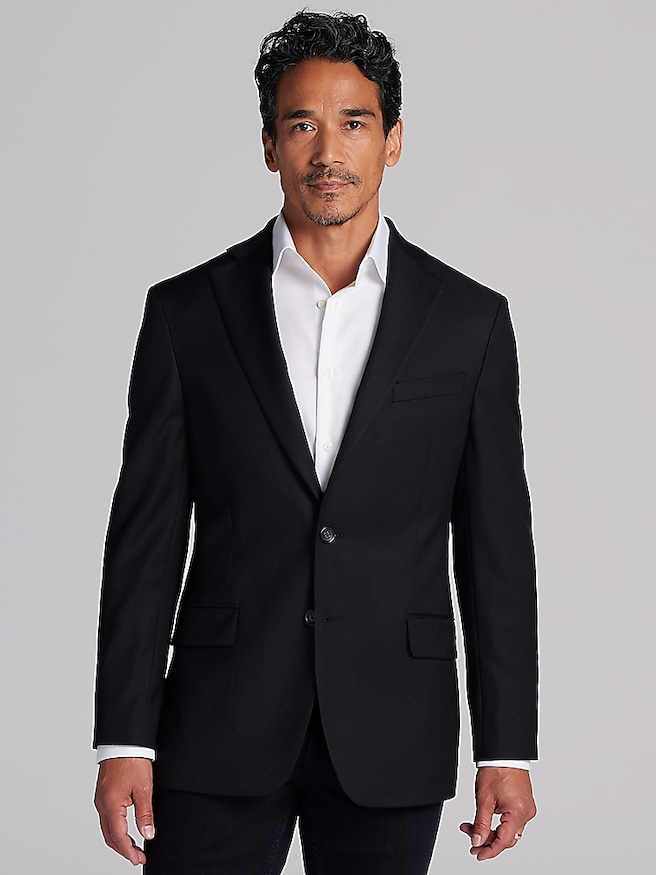
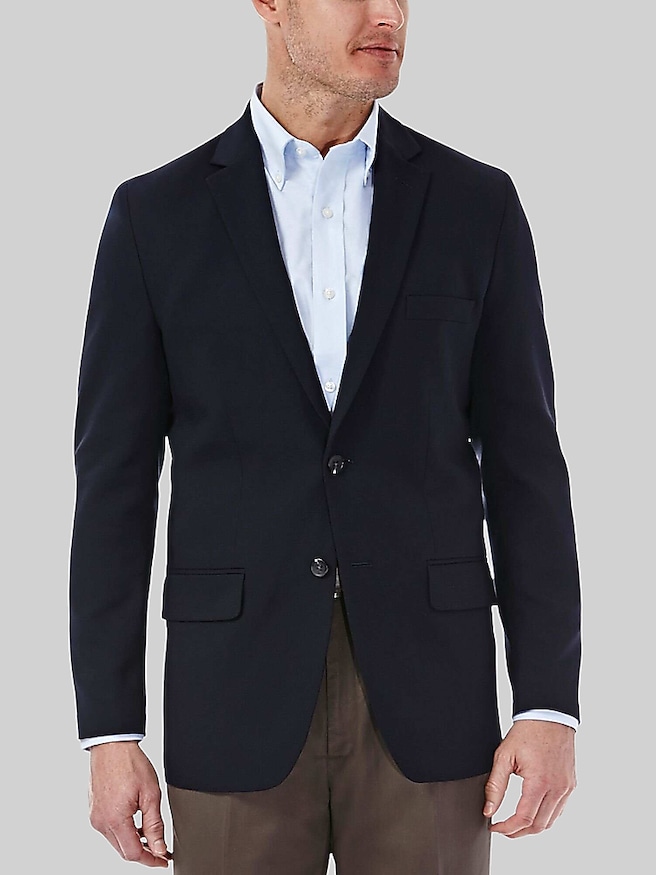
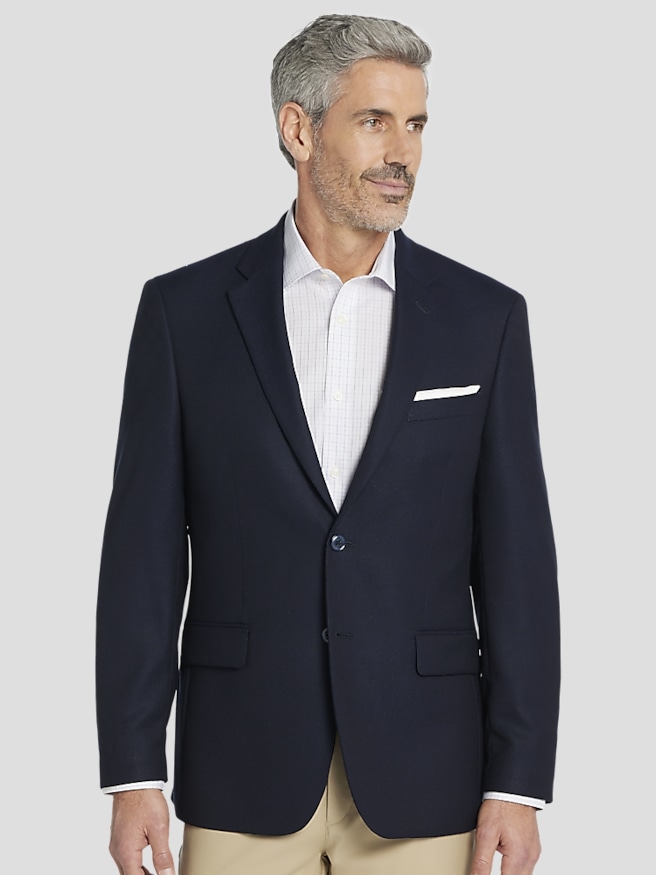
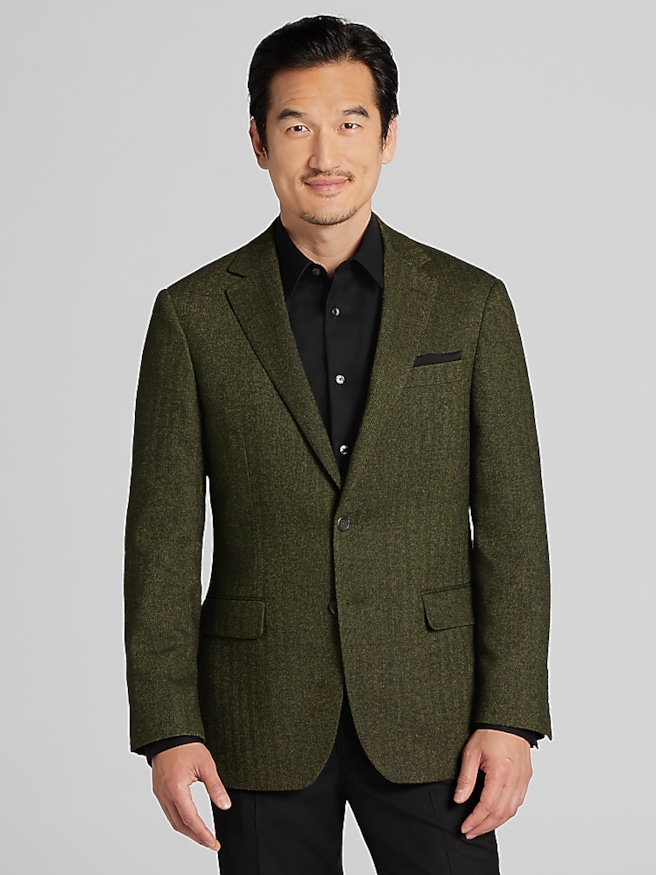
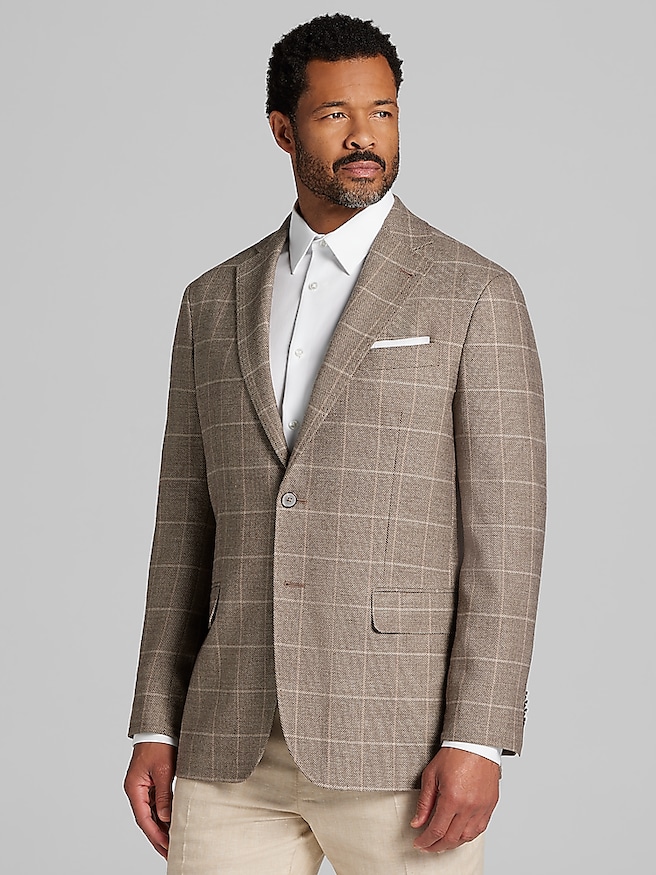
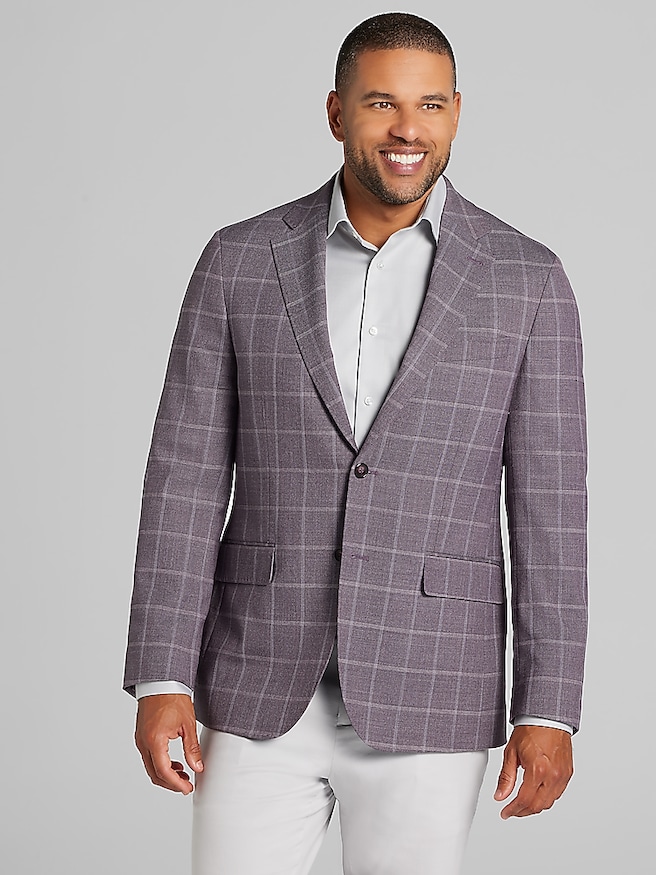
Men’s vintage sport coats draw much of their character from the tailoring of the 1950s through the 1980s, from natural shoulders and quiet checks to broad lapels and pronounced textures. An original vintage coat was made in an earlier era, while a vintage-inspired coat borrows its proportions, patterns, or details. Both take their cues from a jacket designed to be worn with separate trousers rather than as half of a matching suit. That distinction explains why a good sport coat can look at home with pressed wool trousers at dinner or with dark denim in a casual office. Midcentury cuts often reflect the influence of Ivy style, with a natural shoulder, relatively straight body, and understated cloth. Slimmer lapels can suggest the 1960s, while the wider lapels and bolder plaids associated with the 1970s bring more attention to the jacket itself. Some 1980s cuts add a stronger shoulder and more room through the body. These details are clues to a style, not proof of a coat’s age, and they can be more useful than a decade label when choosing something to wear. A small houndstooth pattern may look nearly solid across a room, then reveal its jagged edges up close. A windowpane check is more visible at a distance, especially when the lines contrast sharply with the base color. Herringbone gets its zigzag from the weave and can add depth without much contrast at all. A jacket with a large plaid or sweeping lapels usually needs little competition from a shirt or tie, while a subtler pattern leaves room for a striped shirt or a textured knit. For someone who wears mostly navy, gray, or dark denim, a muted check with one of those shades running through it can bring in a vintage detail without requiring a whole new set of clothes.
Fabric affects how the coat hangs, how formal it looks, and how it stands up to regular wear. Wool tweed has a textured surface that suits classic checks and herringbone, and a sturdy weave can keep its shape through repeated wear. Smoother wool tends to drape with cleaner lines, making it a natural partner for pressed trousers and a dress shirt at a restaurant or a reception where separates suit the dress code. Corduroy has raised ribs, known as wales, that give the jacket a softer look. Fine wales read more quietly, while wide wales call attention to the cloth and lean casual. A corduroy sport coat over an Oxford shirt with chinos has enough texture on its own; a plain belt and understated shoes keep the focus on the jacket. For another take on that tactile look, Mens Suede Sport Coats pair the soft nap of suede with the familiar lines of tailored separates. The jacket’s construction matters alongside the cloth. A firm shoulder holds a more defined outline, while lighter structure lets the fabric follow the body. Patch pockets can make even a neatly pressed coat look relaxed, and flap pockets lend a more tailored finish. Lining helps a jacket slide over a shirt or knit without catching, so its condition matters as much as how it looks. On an older coat, the lining at the underarms and the cloth at the elbows, cuffs, and pocket edges can tell more about wear than the front panels do. A loose button or a short opening along a lining seam may be straightforward to fix. Cloth worn thin at the elbows or torn near a pocket takes more work, particularly when a visible pattern would need to line up across a repair.
Fit is especially important with vintage tailoring because a size on the label may not correspond to the fit of a modern jacket. Comparing the chest width, shoulder width, sleeve length, and back length with those of a sport coat that already fits gives a better starting point. The comparison is most useful with both coats laid flat and measured the same way. On the body, the collar should rest against the back of the shirt collar, and the upper sleeves should hang without a deep dent beneath the shoulder. The front should button without pulling into an X, and there should be room to reach forward without the back binding. A jacket meant to go over a knit deserves to be tried on over one; a fit that feels easy over a dress shirt can feel snug once there is more fabric through the arms. A tailor can often adjust sleeves or refine the waist if the construction and seam allowances permit, but changing the shoulders or overall length is generally more involved. Once the fit is settled, a broad hanger helps support the shoulder line, and emptying the pockets before hanging the coat keeps their edges from stretching. A soft clothes brush can lift surface dust from sturdy wool, while the care label should determine how the coat is cleaned. If an older jacket no longer has readable instructions, a cleaner familiar with tailored garments can assess the outer fabric and lining together. A vintage sport coat can also make a thoughtful milestone birthday or graduation gift for someone who already enjoys tailored separates. The measurements and style of a jacket the recipient wears often are better clues than a shirt size alone: a favorite soft-shouldered coat points toward an easy fit, while an eye for bold checks or wide lapels leaves room for something with a more distinctive period look.