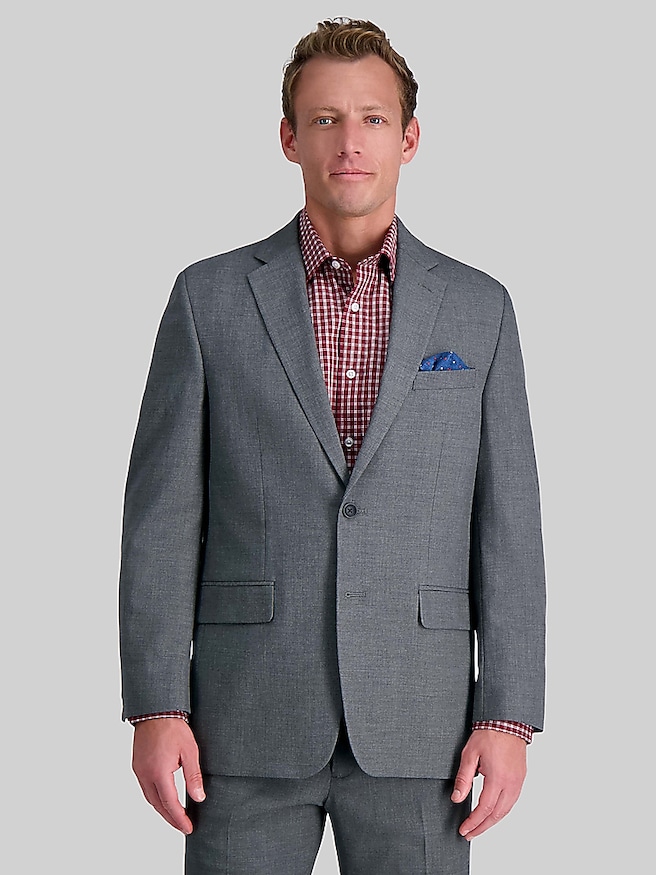
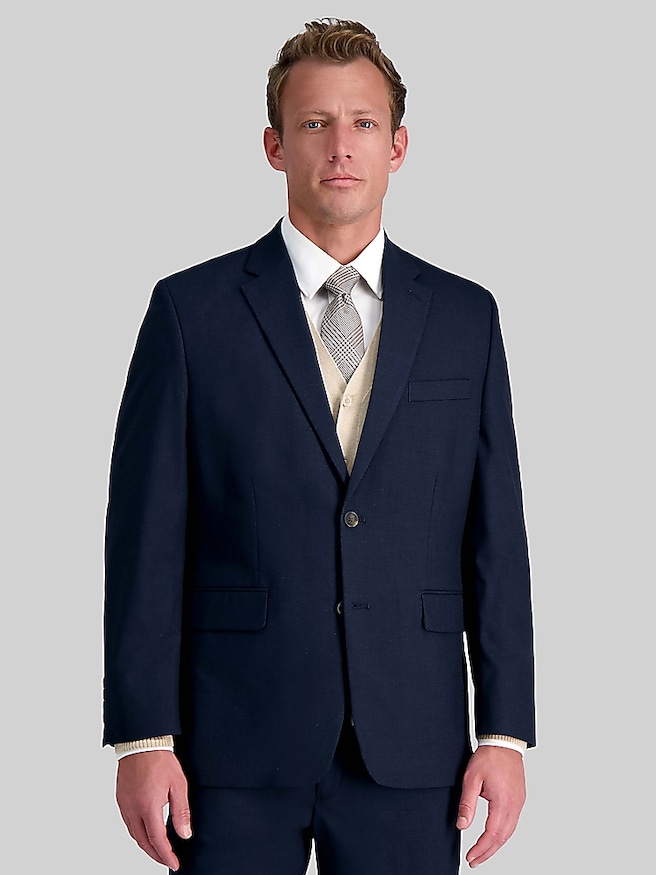
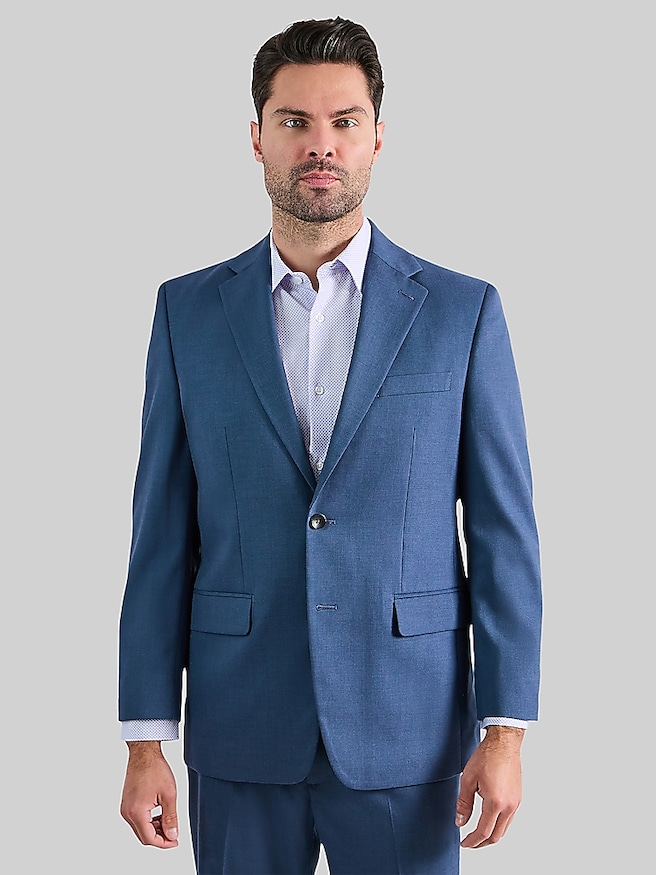
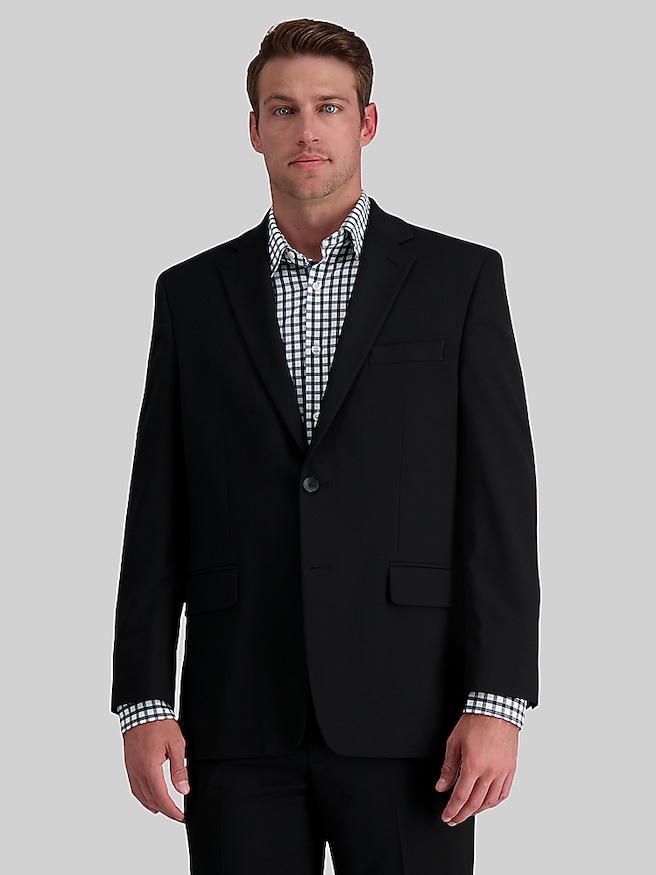
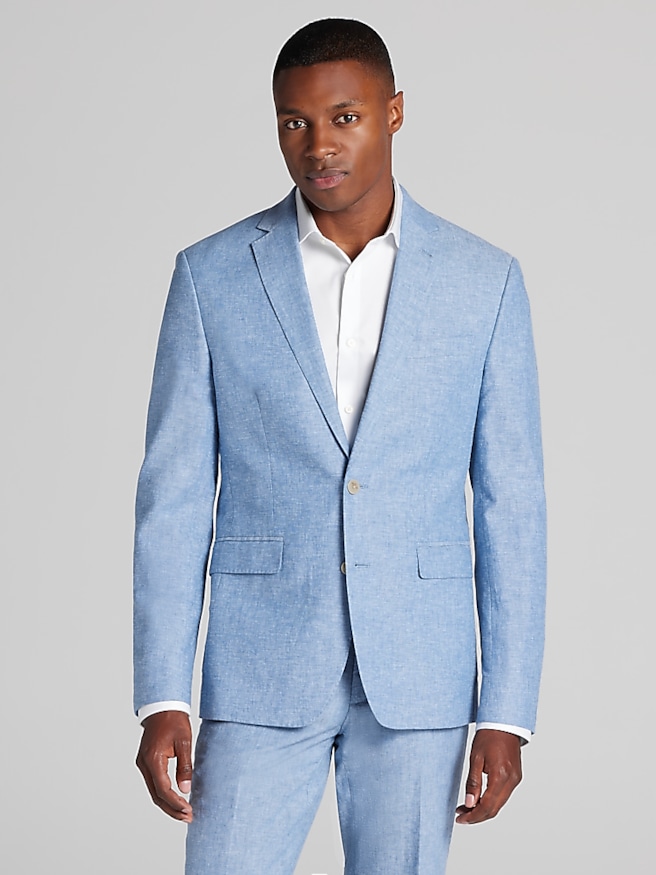
Men’s formal western wear brings together the polish of traditional tailoring and the unmistakable character of western style. It is a natural choice for rustic weddings, ranch celebrations, country dances, rodeo galas, formal dinners, holiday gatherings, and evening events where a standard suit may feel too expected. The strongest looks balance structure with personality: a well-shaped jacket creates a clean outline through the shoulders, while details such as pointed yokes, decorative stitching, distinctive lapels, or subtle contrast trim add a sense of heritage without overwhelming the outfit. Earth-inspired shades, deep neutrals, and rich textures work especially well during the cooler months, while lighter fabrics and brighter neutrals can offer a fresh appearance as the weather warms. When reviewing formal western clothing, start with the setting and level of formality. An evening ceremony may call for a darker, more refined combination, while an outdoor reception or ranch venue can accommodate a little more texture, contrast, or decorative detail. Fit remains the foundation in every case. The jacket should sit smoothly across the shoulders, close neatly without pulling, and allow comfortable movement through the arms. Sleeves should finish near the wrist so that a small portion of the shirt cuff shows, and trousers should fall cleanly over the footwear without excessive bunching. A touch of stretch can make a difference when an event includes long hours of standing, dancing, or traveling between locations. Tailoring is also worth considering, particularly for sleeve length, trouser break, and the balance of a vest or jacket. A properly adjusted outfit often looks more distinctive than a more elaborate one that does not sit correctly.
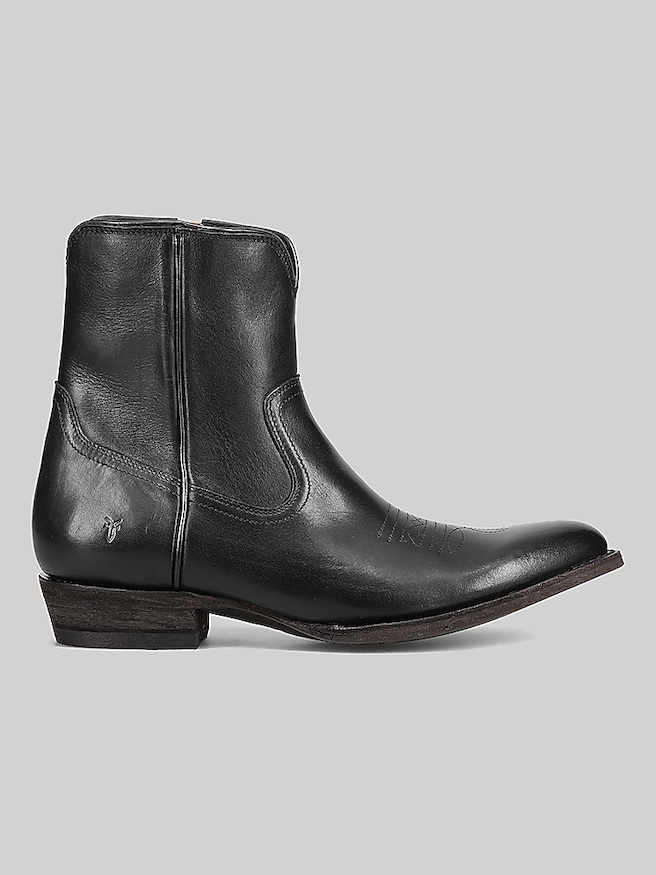
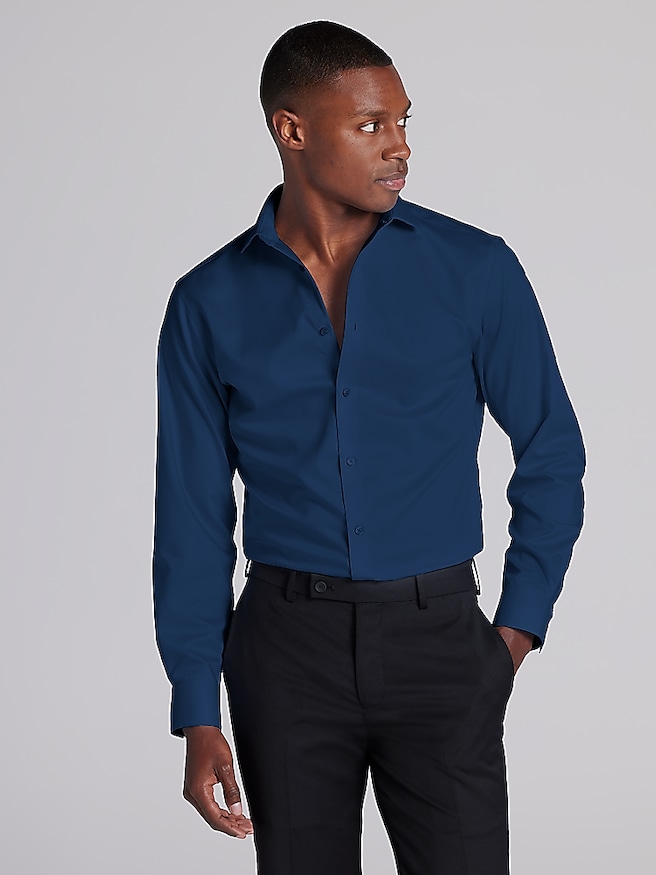
A formal western ensemble is easiest to build when each layer has a clear purpose. Begin with a crisp collared shirt in a solid shade or restrained pattern, choosing a fabric that feels comfortable beneath structured layers. Pearl-style snaps and western-inspired yokes can provide authentic character, while a smooth, understated shirt keeps the overall appearance more traditional. Add a vest when extra depth or ceremony is needed; a matching vest creates a streamlined effect, while a contrasting shade can draw attention to the center of the outfit and complement the jacket. A double-breasted shape can add vintage influence, whereas a simpler front keeps the look versatile for future occasions. Footwear should be polished, comfortable, and proportionate to the rest of the clothing. Leather cowboy boots are an expressive choice for western formal dressing, especially when their finish coordinates with the belt and other leather details. A distinctive buckle, bolo tie, or felt hat can complete the theme, but accessories are most effective when selected with restraint. One memorable accent usually has more impact than several competing statement pieces. For a gift, formal western clothing can be especially thoughtful for someone attending a rustic wedding, participating in a ceremony, performing on stage, or building a wardrobe around ranch and country traditions. If the recipient’s exact size or preferred color is uncertain, versatile layers and accessories may be easier to choose than a fully fitted tailored garment. Consider the recipient’s existing wardrobe, the climate of the event, and whether the item can be worn separately with more familiar clothing. Coordinating pieces also make it possible to create several outfits from one foundation, which is useful for celebrations that extend from daytime gatherings into evening receptions. Shoppers preparing for a future warm-weather occasion can also explore Men's Spring Formal Wear for additional seasonal direction. With thoughtful attention to proportion, fabric, color, and setting, men’s formal western wear can feel polished enough for a ceremony while retaining the confidence, movement, and easy individuality associated with western style.