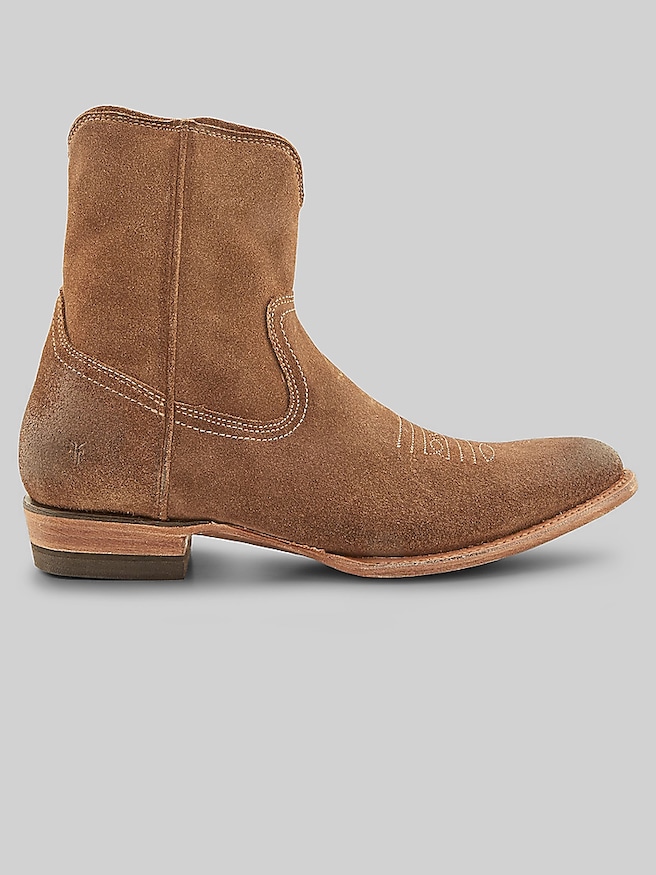
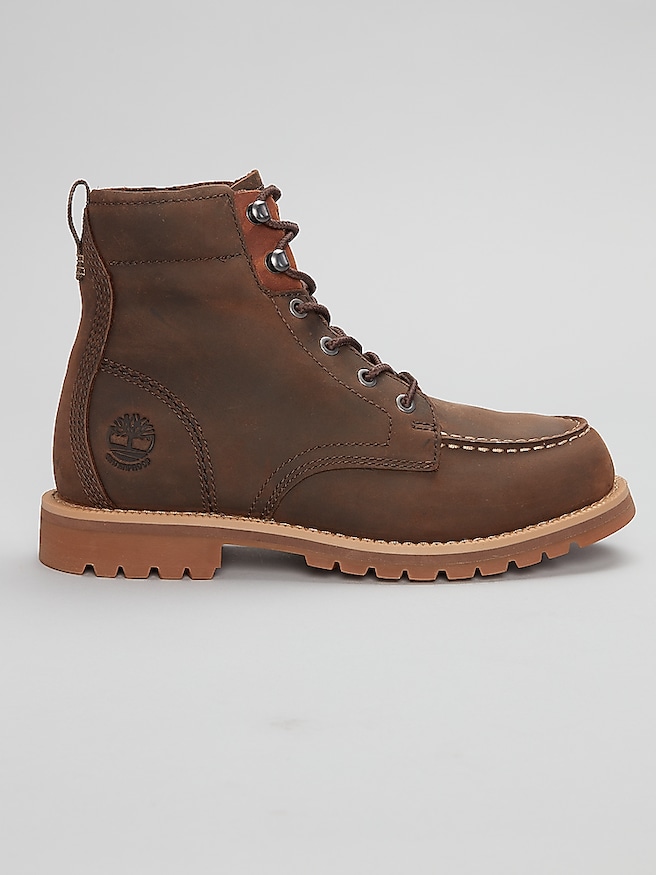
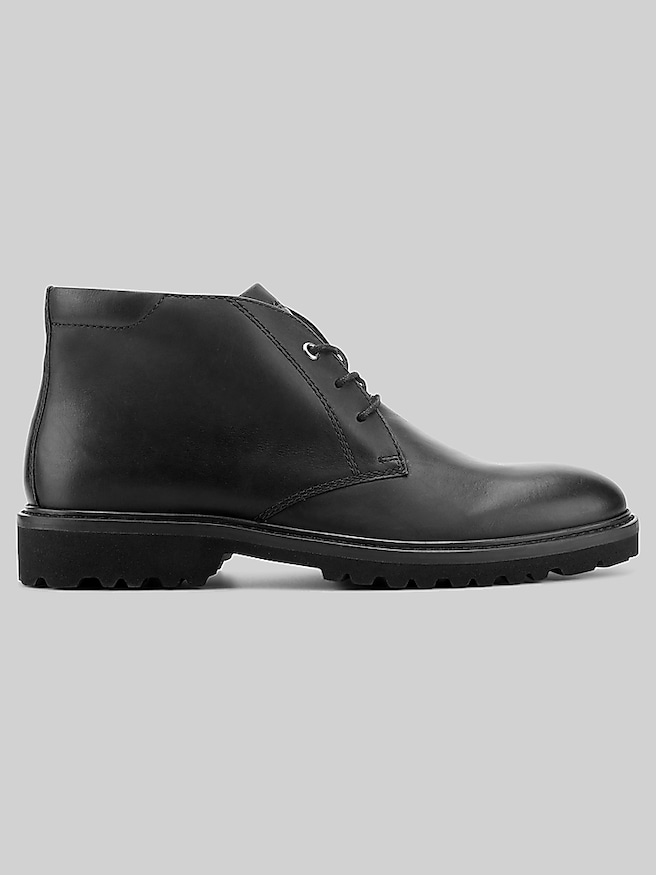
Men’s classic Western boots are pull-on boots defined by a shaped shaft, a distinct heel, and a toe profile that can range from tapered to square. Rooted in riding traditions, their familiar silhouette brings character to everyday denim, textured sport coats, and dressed-up outfits with a distinctly Western influence. Traditional cowboy boots generally have a taller shaft and an angled heel, while roper-style boots tend to feature a shorter shaft and a lower, broader heel suited to time spent on foot. Decorative stitching, shaped seams, and pull tabs add recognizable detail without making every pair look alike. A smooth brown finish develops a relaxed appearance alongside dark jeans, while polished black leather gives the same basic silhouette a sharper edge. Materials play a large part in both appearance and longevity. Full-grain leather retains the hide’s natural surface and can develop a rich patina with wear and appropriate care. Other smooth leathers may have a more uniform finish, and suede brings a soft, textured look that calls for extra attention around moisture and dirt. Leather thickness, lining quality, and construction matter as much as the surface finish; a substantial upper should still flex where the foot bends rather than feel rigid throughout. The outsole also helps define the boot’s purpose. Leather soles offer a traditional look and can feel smooth underfoot, but they may provide less grip on slick surfaces. Rubber outsoles often add traction and flexibility, though actual performance depends on the tread and compound. Neither a Western shape nor a thick sole alone makes footwear suitable for demanding work or horseback riding. Those activities call for construction and features matched to the task. For everyday use, classic Western boots offer a balance of expressive detail and practical coverage, with enough visual weight to complement heavier fabrics during the cooler months.
Fit is especially important in men’s classic Western boots because the pull-on design relies on the instep, heel, and shaft working together rather than on adjustable laces. A well-matched boot feels comfortably secure across the instep, with room for the toes to rest naturally and without pressure along the sides of the foot. Slight heel movement can be normal in a new leather boot, and it may lessen as the sole becomes more flexible, but pronounced slipping or rubbing suggests that the shape or size needs another look. Toe shape affects the silhouette more than it reveals the usable space inside: a pointed profile may extend beyond the toes, while a square profile is not automatically a wide fit. Width, internal volume, and the shape of the last all influence comfort. Trying boots with the socks intended for regular wear gives a more realistic sense of fit, especially when thicker socks will be part of a cooler-weather outfit. The shaft should also leave comfortable room around the calf without catching awkwardly beneath trouser legs. For a day that includes walking from a parking garage, standing through an event, and settling into dinner afterward, a stable heel and supportive footbed can matter more than elaborate stitching. Cushioning may soften the feel underfoot, but it cannot correct a cramped toe box or an instep that pinches. Leather can ease with wear, yet boots should not require painful use to become comfortable. Intended use helps narrow the field: a lower heel may feel more natural for extended walking, while a traditional riding heel has a distinct shape developed for use with stirrups. Actual riding footwear should be assessed for compatibility with the activity and equipment. Likewise, job sites may require designated safety toes, slip resistance, or other protective features that ordinary Western footwear does not provide. For someone who appreciates leather footwear beyond the Western silhouette, Mens Premium Leather Boots offers a related category to explore alongside considerations such as finish, structure, and everyday versatility.
Classic Western boots look most natural when the rest of an outfit gives their shape enough room. Straight-leg or bootcut jeans typically fall over the shaft more cleanly than narrow trousers, with a hem that reaches toward the heel without dragging beneath it. Dark denim, a button-down shirt, and a softly structured jacket make an easy combination for a casual dinner or a gathering where the dress code leaves room for personality. A simple belt in a compatible leather tone keeps the look cohesive without requiring an exact match. For occasions with a Western dress tradition, polished boots can accompany tailored trousers and a sport coat, provided the trouser opening clears the shaft and the overall outfit suits the setting. Less visible details influence how well the boots hold up between those occasions. Consistent stitching, secure heel attachment, and clean joins between the upper and sole are useful signs of careful assembly, though no single detail guarantees durability. Some welted constructions can allow resoling, depending on the boot’s design and condition; other methods may limit repair options. Regular care helps preserve both appearance and flexibility. Dust and grit left around seams can contribute to abrasion, so a soft brush or cloth is useful after wear. Smooth leather generally benefits from occasional conditioning with a product appropriate to its finish, while suede needs its own brush and compatible care products rather than ordinary leather cream. Any treatment is best tested on a discreet area because it may alter the color. Damp boots should dry naturally away from direct heat, and removable inserts, when present, can be taken out to help the interior air. Allowing time between wears also gives moisture a chance to dissipate. During cooler months, prompt removal of road salt and surface grime helps protect the finish, but leather should not be assumed waterproof without a stated protective construction. As a gift, Western boots can suit a longtime enthusiast, a frequent concertgoer, or someone whose everyday wardrobe centers on denim and leather. Knowing the recipient’s usual boot size, preferred toe shape, and calf fit makes the choice more personal and more practical. The enduring appeal lies in that combination: recognizable Western character, materials that can gain depth with age, and a fit that feels at home through ordinary days and memorable occasions.