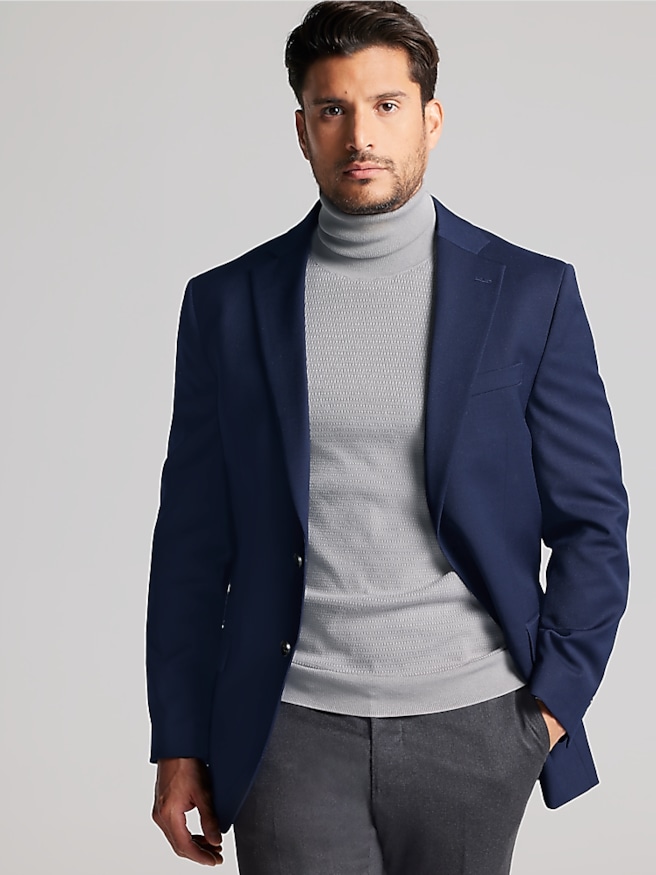
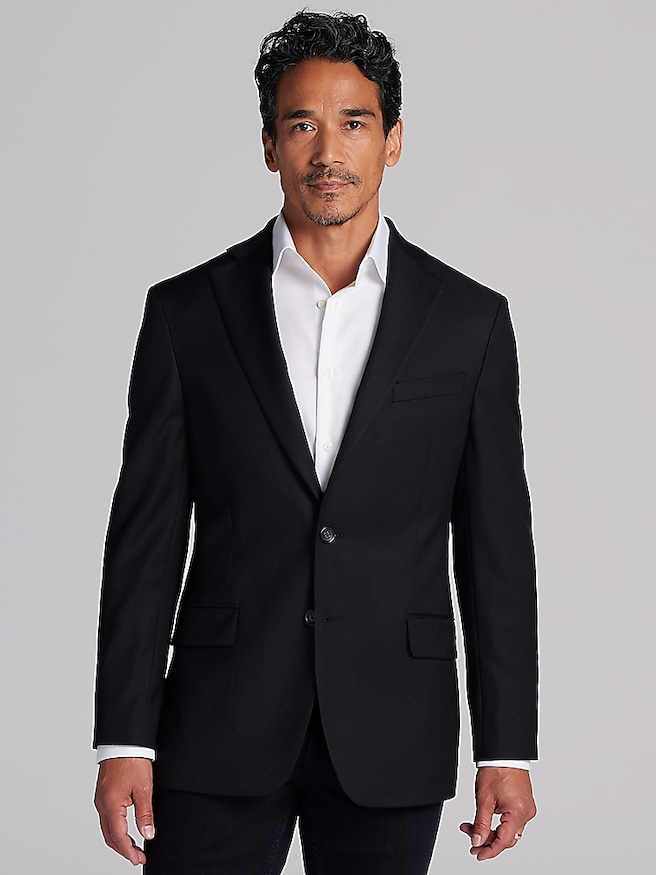
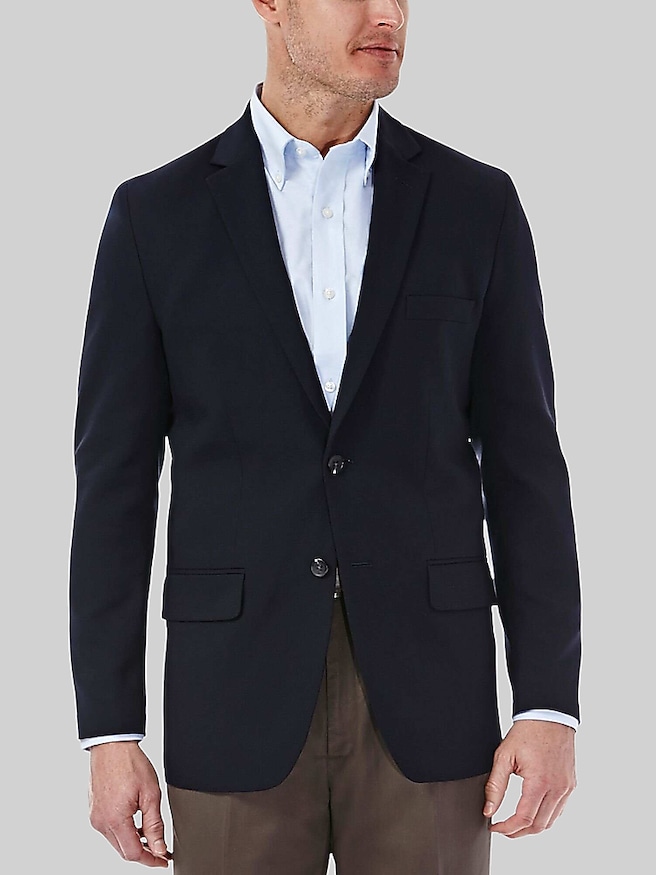
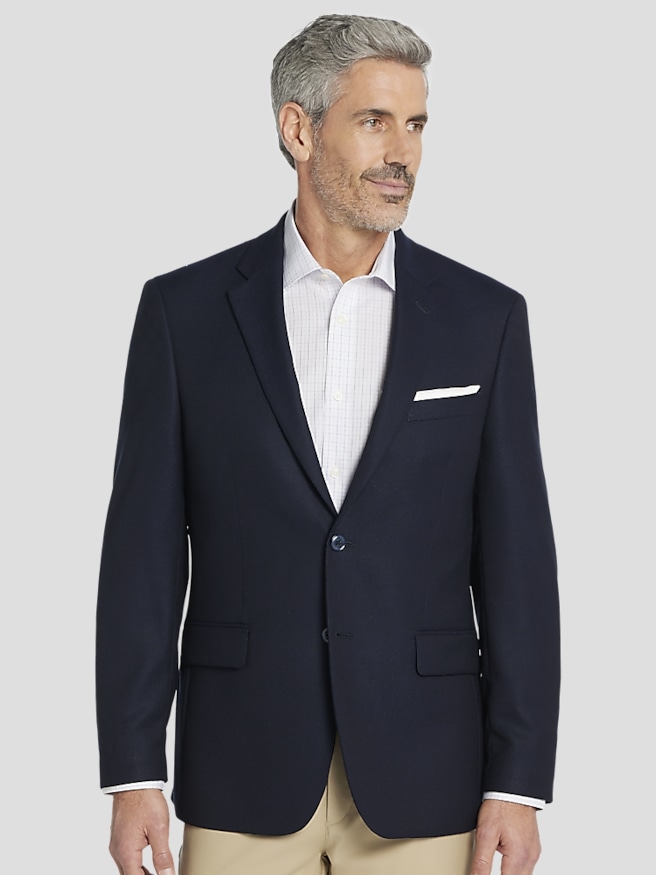
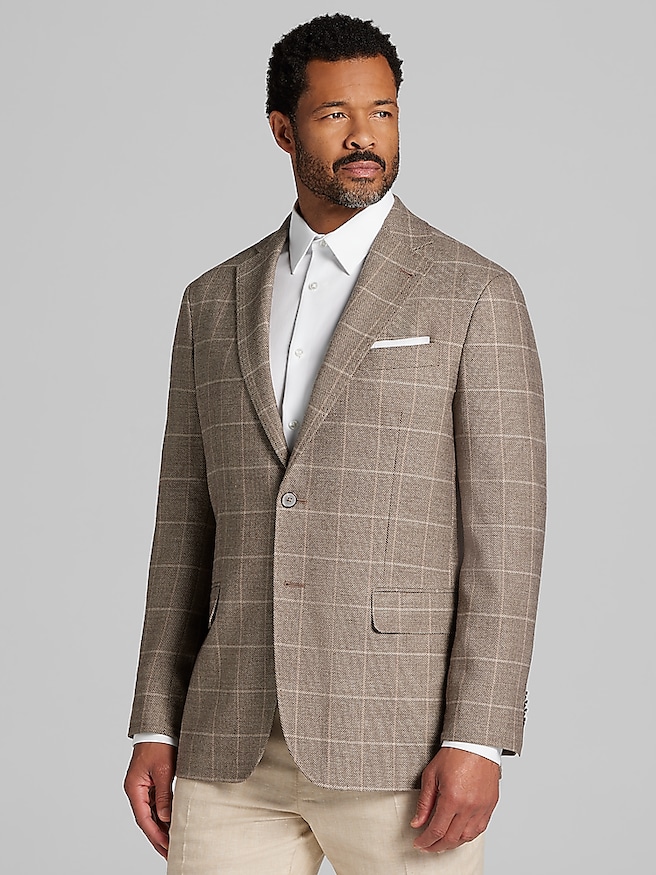
Men’s fitted coats bring a defined silhouette to outerwear, following the shoulders and torso without restricting the clothing underneath. The effect is tailored rather than tight: a clean shoulder line, a gently shaped waist, and enough room through the chest and back to move comfortably. That balance makes a fitted coat useful for a commute in a suit, dinner with a dress shirt and trousers, or a weekend outing in a sweater and dark denim. The shape can sharpen an outfit without making it feel overly formal, particularly when the coat’s length and fabric suit the occasion. An overcoat typically creates a longer, continuous line and should cover the hem of a suit jacket when worn over tailoring. A car coat has a shorter profile that can feel less cumbersome when sitting or getting in and out of a vehicle, though jacket coverage depends on its length. A pea coat brings a double-breasted front and substantial collar to a shorter silhouette, while a fitted trench coat uses its cut and belt to define the waist. Each style frames the body differently, so fitted does not describe one particular length or closure. Within the broader category of Men's Outerwear Coats, these shaped silhouettes offer an alternative to roomier, deliberately relaxed cuts. Color also influences how a coat works with the rest of a wardrobe. Navy and charcoal pair naturally with business clothing, black creates a crisp backdrop for dressier combinations, and camel or medium brown adds contrast against dark trousers. A subtle herringbone or textured weave can give a simple outfit dimension without needing a bold pattern. For someone moving between professional and casual settings, an understated coat with balanced proportions can look equally considered over a jacket and tie or a fine-gauge knit.
The most useful distinction between a fitted coat and an undersized one is how it behaves in motion. A close silhouette should still allow comfortable reaching, walking, and sitting. With the front fastened, the fabric should lie relatively smoothly rather than pulling into pronounced diagonal lines around the buttons or straining across the upper back. Shoulder seams generally sit near the natural shoulder edge on a set-in sleeve design; a dropped-shoulder construction follows a different pattern and should not be judged by the same placement. The coat also needs enough depth through the armholes and sleeves for the layers beneath it. A fit that feels comfortable over a thin shirt may become restrictive over a suit jacket or a substantial sweater, which is why the intended outfit matters as much as the size label. Reaching forward as though holding a steering wheel can reveal tightness across the back that is less noticeable while standing still. Sleeve length deserves similar attention. Coat sleeves should cover the wrist comfortably, and an overcoat worn with tailoring should generally conceal the jacket sleeves beneath it without swallowing the hands. Through the body, gentle waist shaping creates definition, but the front should not pull open below the closure or bind across the hips. A back vent gives the hem room to move with a longer stride, provided there is sufficient ease through the seat. Length changes the overall impression as well: a longer coat emphasizes a vertical line, while a shorter hem puts more visual focus on the trousers and footwear. Neither is automatically better for a particular height. Torso length, shoulder width, layering needs, and personal preference all affect the result. Alterations may refine sleeve length or modestly adjust the body, but shoulder shape, armhole placement, and pocket position are more fundamental to the original cut. A strong starting fit matters more than relying on extensive changes afterward.
Fabric and construction determine how that silhouette feels through repeated wear. Wool is a traditional choice for structured coats because it can provide insulation, drape, and a softly textured surface, although warmth depends on fabric weight, weave, lining, and the layers worn underneath. Wool blends vary considerably; the fiber percentages and fabric construction are more informative than the word “blend” alone. Nylon or polyester may contribute strength or resilience, while cashmere can add softness and a finer hand. A brushed finish gives a coat a softer appearance, whereas a smoother, more compact weave can look especially crisp over business clothing. Neither a high wool content nor a substantial feel automatically makes a coat waterproof. For use in rain or snow, any stated water resistance and the care label are more reliable than appearance, and a trench shape by itself does not establish weather protection. Interior details affect everyday comfort, too. A smooth lining helps sleeves pass over a jacket without catching, securely attached buttons support repeated fastening, and neatly finished seams reduce loose threads and friction points. Pockets should feel accessible without requiring an awkward reach, although carrying bulky objects can distort the clean line of a fitted coat. Care helps preserve both the fabric and the shaping: cleaning methods should follow the label, surface dust can often be lifted with an appropriate garment brush, and damp coats need time to dry naturally away from direct heat. A broad, supportive hanger helps maintain the shoulders, while space between garments prevents the lapels and sleeves from being crushed. Before extended storage, the coat should be clean and completely dry, with breathable protection appropriate to the fabric. These practical details matter for someone wearing a coat frequently as well as someone keeping it for dressier occasions. As a gift, a fitted coat is most successful when the recipient’s measurements, preferred layers, and usual style are known. The right choice should feel like a natural extension of the clothing already worn beneath it, with enough structure to look polished and enough ease to remain comfortable beyond the first impression.