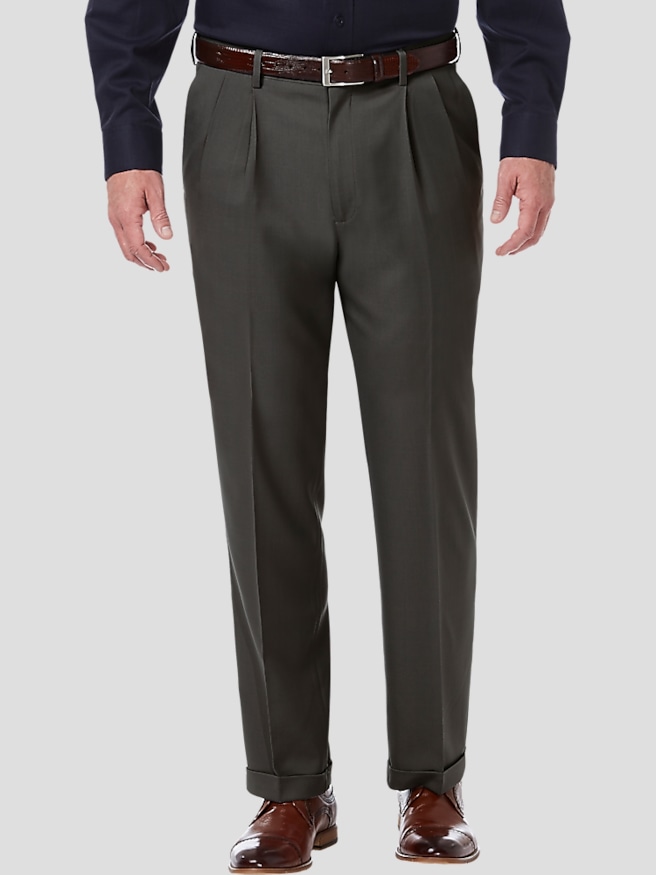
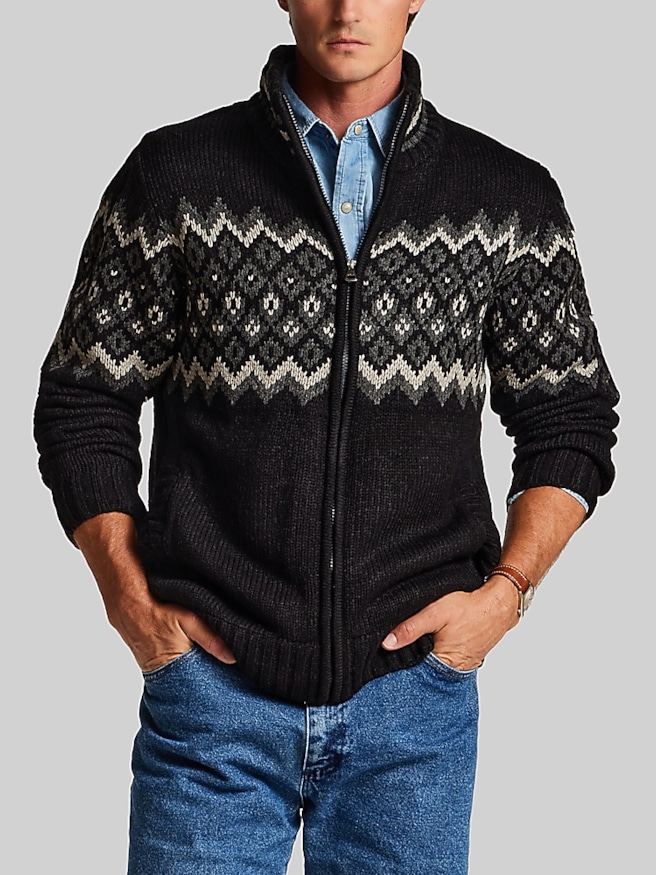
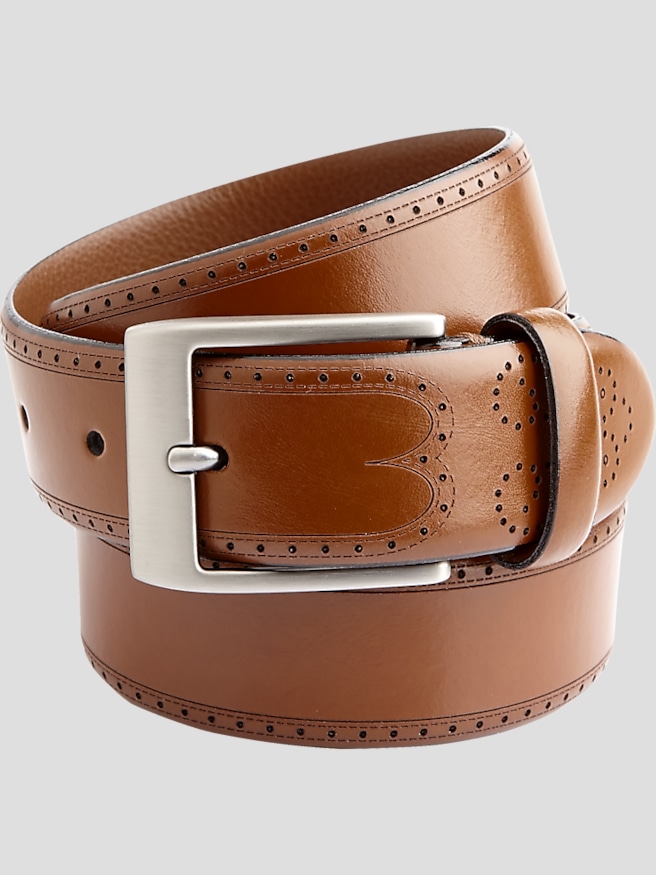
Men’s essential clothing forms the backbone of a wardrobe that works for ordinary mornings, busy workdays, and plans that call for a little more polish. These are the familiar pieces that combine easily: solid T-shirts, button-down shirts, polos, sweaters, chinos, dark jeans, tailored trousers, and jackets with clean lines. Their value comes from versatility rather than elaborate details. A light blue Oxford shirt looks comfortable with straight-leg denim at a casual dinner and equally appropriate tucked into trousers for an office meeting. A navy blazer adds structure without requiring an entirely separate outfit, while a simple crewneck sweater brings texture to a shirt-and-pants combination. White, gray, navy, black, tan, and olive create a useful color foundation because they leave room for different combinations without competing for attention. That does not mean every essential has to be plain. A subtle stripe, a small-scale check, or a textured knit can add interest while remaining easy to coordinate. The most useful mix reflects the wearer’s routine: more polos and chinos for a business-casual workplace, more soft jersey and denim for relaxed settings, and a well-fitting suit for occasions that require traditional tailoring. Navy and charcoal suits are especially adaptable because their restrained colors work with a broad range of shirts and ties. Underlayers, socks, and belts also belong in the picture, supporting comfort and giving an outfit a deliberate finish. Neutral socks can create a continuous line between trousers and shoes, while a straightforward leather belt complements both chinos and tailored pants when its width suits the belt loops. For someone entering a first professional role, rebuilding a wardrobe after a size change, or simplifying a crowded closet, essentials offer continuity. The goal is clothing that feels appropriate across familiar situations, without making every outing require a completely different set of pieces. Repeated colors and compatible shapes make those connections easier, so a shirt worn beneath a jacket on a workday can still feel at home with jeans over the weekend.
Fabric and fit determine how these everyday pieces feel after several hours of wear, not just how they look on a hanger. Cotton jersey generally offers a soft surface and natural breathability for T-shirts, while cotton piqué gives polos a more textured appearance and a collar that brings definition near the face. Oxford cloth has a recognizable basket-weave texture that works well in shirts intended to move between casual and more polished settings. Smooth woven shirting presents a cleaner surface beneath a suit jacket, especially when the collar sits neatly and the fabric does not bunch at the waist. Twill gives chinos their characteristic diagonal weave, while denim provides a sturdy construction that develops an individual appearance with wear. Wool can offer drape, resilience, and breathability in both trousers and knitwear; its feel varies with the yarn, weave, and fabric weight. Blended fabrics may introduce stretch, improve shape retention, or make care more manageable, depending on their composition. A small amount of stretch can be useful during a seated commute or a day spent moving between meetings, but comfortable fit still depends on the garment’s cut. Shoulder seams should sit close to the natural shoulder, shirt plackets should lie flat, and sleeves should allow the arms to move without pulling across the back. Pants need enough room through the seat and thighs for sitting comfortably, with a rise that rests securely rather than requiring constant adjustment. Straight and gently tapered legs provide different silhouettes, and neither needs to look tight to appear neat. The intended use matters here: a shirt worn untucked benefits from a balanced hem length, while one intended for tucking needs enough length to remain in place. Layers also need room to work together. A sweater should sit smoothly over a shirt, and a blazer should accommodate both without restricting movement or creating bulky folds. These relationships between fabric, cut, and layering space are what make essential clothing feel easy rather than merely look coordinated.
Clothing worn frequently benefits from thoughtful construction and care that suits an actual routine. Even stitching, secure buttons, neatly finished seams, and reinforced areas around pockets and other stress points can contribute to dependable wear. Fabric thickness alone does not establish quality; a lighter woven shirt can perform well when its construction and intended use are aligned. Care labels remain the best reference for washing, drying, ironing, or professional cleaning because similar-looking garments can have different requirements. Separating colors, fastening closures when appropriate, and avoiding unnecessary heat can help preserve a garment’s appearance. Knitwear often keeps its shape better when folded rather than left hanging, while structured jackets benefit from supportive hangers and enough space to avoid crushing. Prompt attention to a loose button or opening seam can keep a small issue from becoming a larger repair. Rotation helps, too: alternating frequently worn pieces gives them time between uses and reduces repeated strain on the same garment. Practical care is especially important for essentials because these are often the clothes worn to the office, packed for a trip, or reached for before a last-minute dinner. A coordinated wardrobe also makes packing more straightforward, with shirts and trousers that work in several combinations rather than only as fixed outfits. For gift giving, familiar clothing categories can be useful when the recipient’s size, preferred fit, and care preferences are known. Someone who wears collared shirts most days may appreciate an easy-to-coordinate color, while someone with a relaxed routine may get more use from soft knitwear or well-cut casual pants. Personal preference matters more than a rigid checklist: a comfortable waistband, a preferred collar shape, or a sleeve length that sits correctly can determine what gets worn repeatedly. Across everyday essentials and Mens Winter Essentials, a wardrobe feels most cohesive when its colors work together, its layers fit comfortably, and its care requirements leave room for real life.