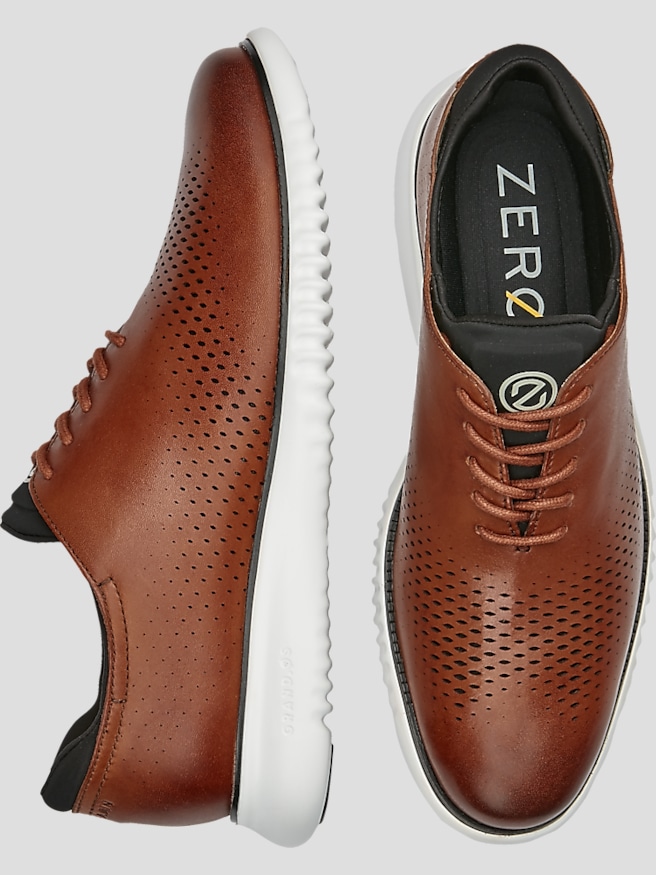
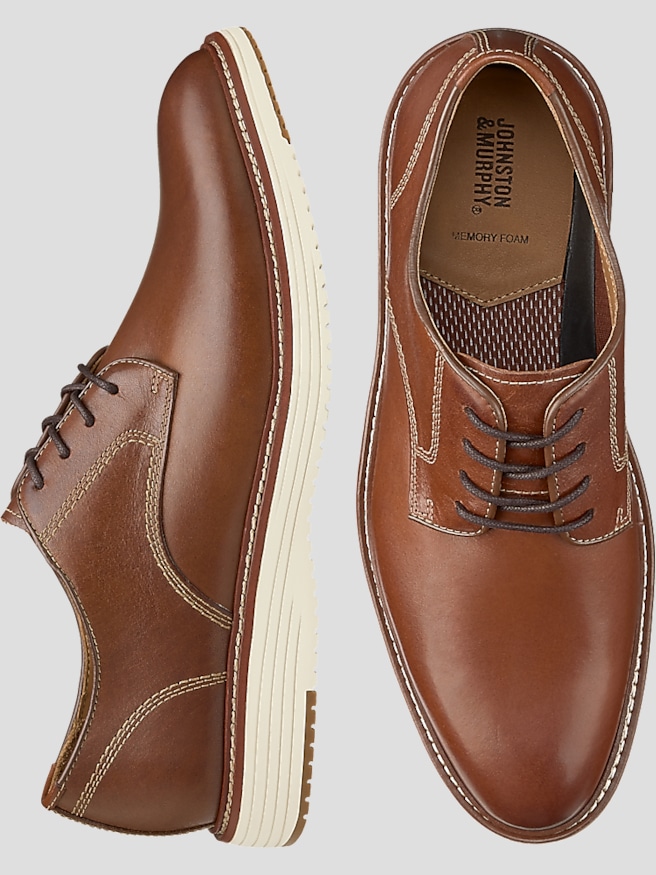
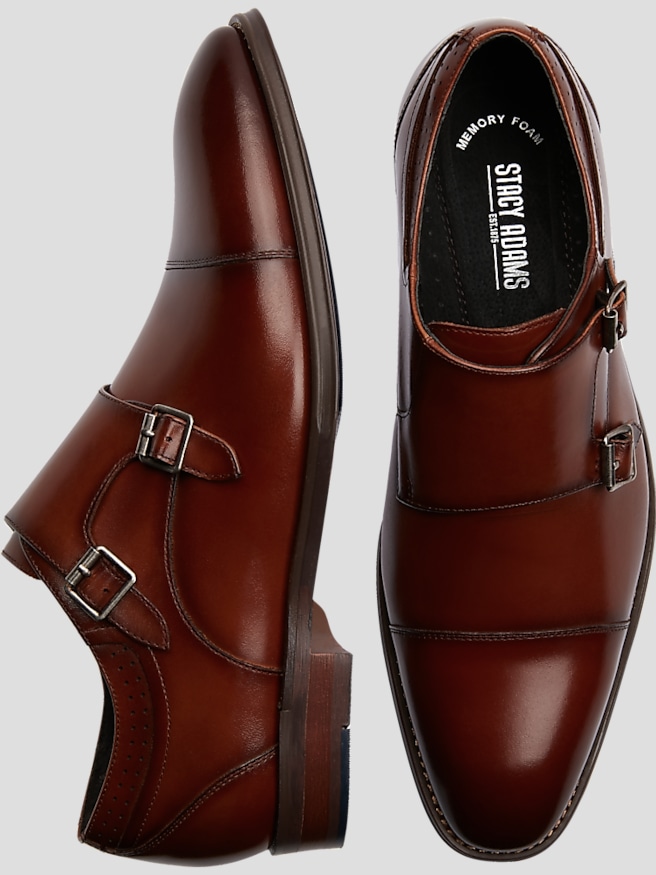
Men’s dress shoes in size 10.5 bring a finished look to tailored clothing, whether the occasion calls for a dark suit, a sport coat and trousers, or a tuxedo. The size identifies a starting point for fit, while the shape, material, and construction determine how a shoe looks and feels throughout the day. Classic dress shoe styles include oxfords, derbies, loafers, and monk straps, each with details that influence its character. An oxford has closed lacing, with the eyelet sections attached beneath the front of the upper, creating a neat profile that works especially well with suits. A derby’s open lacing allows more adjustment across the instep and pairs comfortably with both business attire and less structured tailoring. Loafers have a slip-on shape, ranging from understated penny styles to dressier designs with a sleek vamp, while monk straps use buckles in place of laces. A plain toe keeps the front of the shoe visually simple; a cap toe adds a defined seam; and a wingtip introduces decorative perforations and a sweeping toe pattern. Those distinctions matter when putting an outfit together. Black leather cap-toe shoes make a restrained partner for charcoal trousers and a crisp dress shirt, while brown leather can add depth to navy tailoring. Dark burgundy offers another option for someone who prefers subtle color without an overly bold finish. For formal evening attire, a streamlined black shoe with an appropriately polished finish keeps attention on the overall silhouette. Patent leather has a distinctive gloss associated with tuxedo dressing, rather than everyday office wear. The shape of the toe also affects the impression: a gently rounded or almond-shaped toe tends to blend easily with classic tailoring, while a longer, narrower profile creates a more elongated line. For professionals, wedding guests, graduates, and anyone building a dependable dress wardrobe, size 10.5 dress shoes serve occasions where athletic footwear would feel out of place, from an interview to a milestone dinner.
Fit deserves as much attention as appearance, especially when dress shoes need to remain comfortable through a commute, a presentation, and several hours on foot. In U.S. men’s sizing, 10.5 is the half size between 10 and 11, but that number does not establish width, toe shape, or the amount of space over the instep. Two shoes marked 10.5 can feel noticeably distinct because they are built on different lasts, the forms that give footwear its shape. A suitable fit holds the heel securely without biting, supports the foot through the middle, and leaves the toes free from pressure at the front and sides. The widest part of the foot should sit near the widest part of the shoe, and the shoe should flex near the ball of the foot rather than against the toes. Trying on dress shoes with the socks intended for them makes the assessment more useful; a thin dress sock and a thick cushioned sock occupy different amounts of space. For someone who uses an orthotic, interior depth and a removable footbed may be especially relevant. Leather can soften with wear, but a break-in period should not be expected to correct pinching or insufficient length. Materials influence that experience, too. Smooth leather offers a traditional appearance and can often be conditioned and polished, while suede has a textured surface that suits less formal combinations such as wool trousers and a sport coat. Patent leather and synthetic uppers call for care methods suited to their finishes. Inside the shoe, lining texture, seams, cushioning, and arch shape can matter as much as the upper. A soft footbed may feel pleasant immediately, but comfort also depends on secure fit and a stable base. Leather outsoles maintain a traditional, streamlined appearance, while rubber outsoles may provide added cushioning and grip, depending on their composition and tread. For long stretches of standing at a reception or walking between meetings, sole flexibility and heel stability deserve particular attention.
The usefulness of men’s size 10.5 dress shoes extends beyond a single outfit, and thoughtful care helps preserve both their appearance and structure. A simple black lace-up can anchor a wardrobe built around dark suits, while a brown derby or loafer can bridge tailored trousers and polished business-casual clothing. Matching the general color and level of formality of the shoes and belt usually creates a cohesive result without requiring identical shades. Trouser length matters as well: a clean hem allows the shoe’s shape to show, whereas excess fabric can collect over the laces and obscure an otherwise sharp silhouette. For days that call for a softer approach to tailored dressing, men’s size 10.5 dress sneakers offer a related category to consider alongside traditional dress footwear. Maintaining a polished pair starts with removing surface dust before it becomes embedded in creases or seams. Smooth leather generally benefits from an appropriate conditioner and polish, used according to the care directions, while suede is better served by a suitable brush and products made for its nap. Patent finishes need their own compatible cleaning approach rather than routine leather cream. Cedar shoe trees can help maintain shape and absorb some interior moisture between wears, and a shoehorn reduces repeated pressure on the heel counter when putting shoes on. Allowing footwear to air out between uses, away from direct heat, helps protect the materials. Durability also depends on construction, walking habits, and maintenance; some stitched constructions allow resoling, although repair options vary by shoe. Worn heel edges, separating soles, and damaged stitching are worth addressing before they affect balance or cause further wear. Dress shoes can also make a thoughtful gift for a graduate starting a professional role, a partner preparing for a special occasion, or a family member refreshing a tailored wardrobe. Knowing that the recipient wears size 10.5 is helpful, but confirming width, preferred closure, and typical occasions makes the choice more personal. The strongest match combines a pleasing shape with the fit and practicality needed for repeated wear.