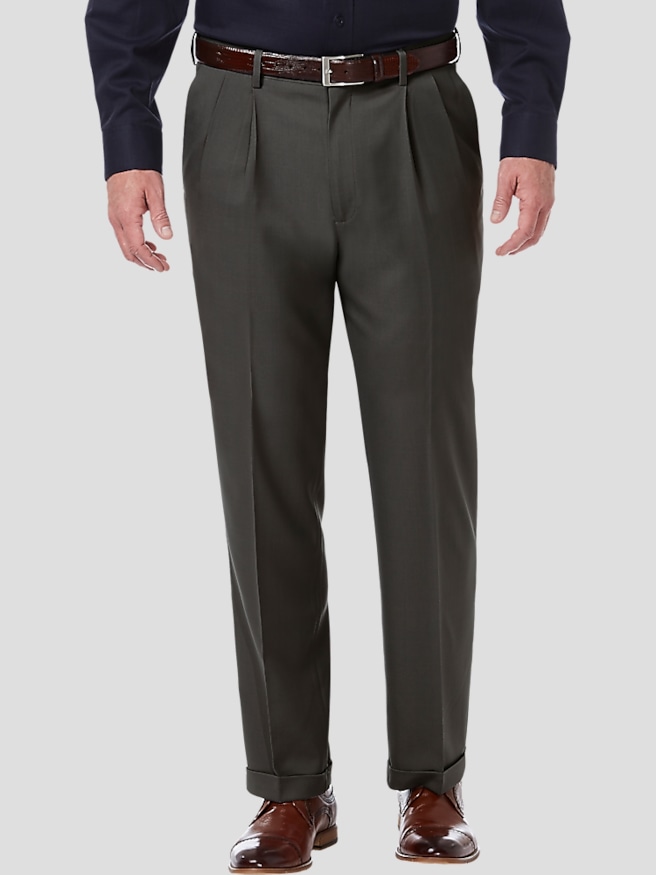
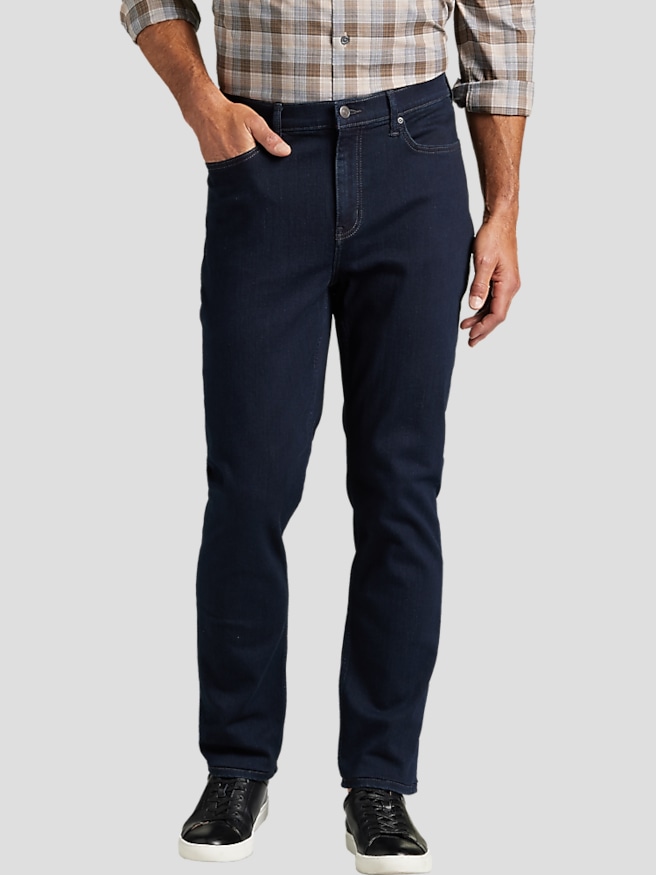
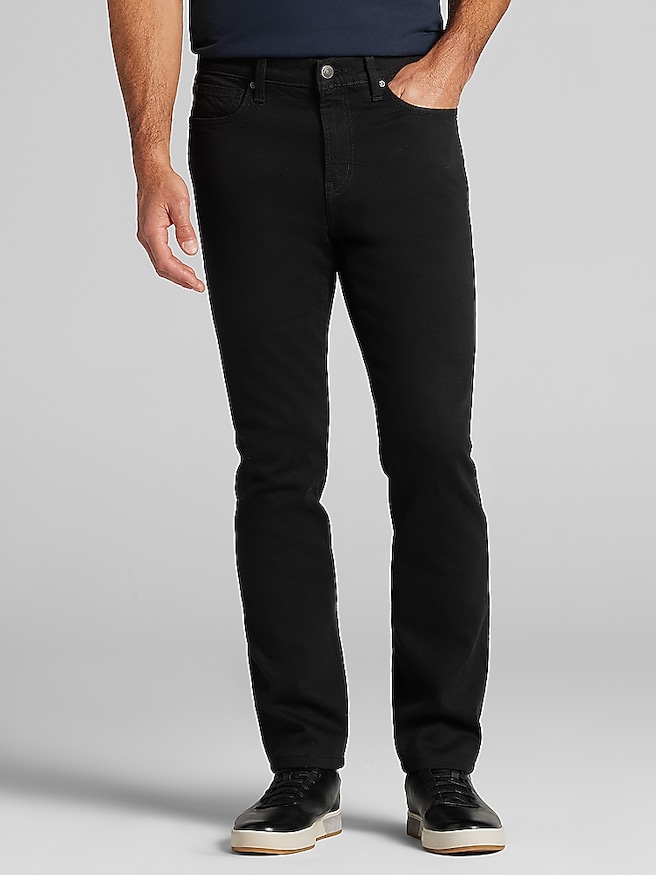
Relaxed straight fits, wider legs, and dark, clean washes define much of the direction in men's denim trends, while tapered silhouettes remain an alternative for those who prefer a more structured shape. The common thread is a comfortable fit with deliberate proportions: enough room to move through the seat and thighs, a waistband that sits securely, and a leg opening that works with the shoes underneath. Relaxed straight jeans offer an approachable middle ground between narrow cuts and fully baggy styles. Their consistent line from the knee to the hem pairs naturally with sneakers, boots, and casual leather shoes without requiring an oversized outfit. Wider-leg denim creates a more pronounced silhouette, especially when balanced with a neatly fitting T-shirt, a waist-length jacket, or a shirt worn with a clean tuck. A tapered leg provides room higher up while narrowing toward the ankle, making it useful for anyone who likes an easy fit without extra fabric around the shoe. Rise matters as much as leg shape. A mid-rise fit often feels familiar, while a higher rise can create a longer leg line and keep a tucked shirt settled at the waist. These differences become noticeable in everyday situations, from sitting through a long dinner to walking across town or getting in and out of a car. Jeans should accommodate those movements without pulling sharply across the hips or needing constant adjustment. Length also changes the impression of a fit. A hem that just meets the top of a sneaker looks crisp, while a slight break over a boot gives denim a more substantial finish. Excess fabric piled at the ankle can obscure the shape of an otherwise well-fitting pair. For athletic builds, additional thigh room can make a straight or tapered fit more comfortable; for leaner builds, the same silhouettes can add shape without overwhelming the frame. The strongest denim looks come from those relationships between body, cut, and footwear rather than from choosing the widest or narrowest option.
Fabric and finish give each denim silhouette its character. Cotton-rich denim has the familiar texture and substance associated with classic jeans, while added stretch can make bending, commuting, and extended sitting more comfortable. Rigid denim generally holds a defined shape and may feel firm before repeated wear softens it. Stretch denim tends to move more readily with the body, although the amount of stretch and the fabric's ability to recover are more useful considerations than softness alone. A pair that feels comfortable at the start of the day should also maintain its shape at the knees and seat. Fabric weight influences the drape: more substantial denim can emphasize a straight or wide leg, while lighter constructions often fall closer to the body. Dark indigo and clean black finishes create a restrained look that works easily with button-down shirts and tailored casual layers. Medium blue washes bring out denim's familiar grain and seam details, and lighter washes offer a more casual contrast with solid knits and simple tees. Fading, whiskering, and distressed details change the mood, but clean washes tend to provide the greatest flexibility across everyday settings. Durability depends on more than thickness. Reinforced stress points, secure pocket stitching, and neatly finished seams all contribute to jeans that can handle frequent wear. Areas around the pockets, crotch, and hem naturally experience more friction, particularly when jeans fit too tightly or drag against the ground. Care should follow the garment label, with attention to wash temperature and drying instructions. Turning denim inside out, washing with similar colors, and avoiding unnecessary heat can help protect the finish and limit unwanted shrinkage. Deep indigo may transfer onto pale upholstery or light-colored shoes, especially early in its life, so care instructions deserve a close look before wear. Washing when needed rather than automatically after every brief outing can also reduce repeated abrasion and help preserve the denim's original character.
The appeal of Men's Trendy Jeans comes from the balance between familiar denim character and proportions that feel intentional. A dark straight-leg fit with a button-down shirt and leather boots can suit dinner plans or a workplace where denim is part of the dress code. The same general silhouette feels more casual with a textured polo and low-profile sneakers. Wider cuts pair well with tops that have a clear shape, such as a substantial tee or a casual jacket that finishes near the hip, allowing the volume of the jeans to look considered rather than accidental. Tapered styles work especially well when footwear deserves a little more visibility, whether that means clean sneakers or a streamlined boot. Color combinations can stay simple: deep blue with white, charcoal with black, or medium-wash denim with olive and cream. Wearing denim on both the top and bottom can also work when the washes are intentionally matched or clearly contrasted, rather than almost identical. Occasion still matters. Clean, dark denim can feel polished in relaxed social settings, but jeans do not replace tailored clothing where a formal dress code applies. For travel, everyday errands, informal gatherings, and casual workdays, comfort through the waist and thighs often matters more than an exaggerated fashion detail. Denim can also make a thoughtful gift for a partner, friend, sibling, or parent whose preferred fit and measurements are known. Waist size, inseam, rise, and stretch preference are more dependable reference points than a size label alone, since cuts can feel noticeably distinct on the body. Someone who already favors straight-leg jeans may appreciate a slightly more relaxed version, while a wearer accustomed to tapered denim may prefer a subtle change in wash over a dramatic increase in volume. Across these choices, lasting appeal comes from jeans that move comfortably, hold their shape, and connect naturally with the shirts, jackets, and shoes already in regular rotation.