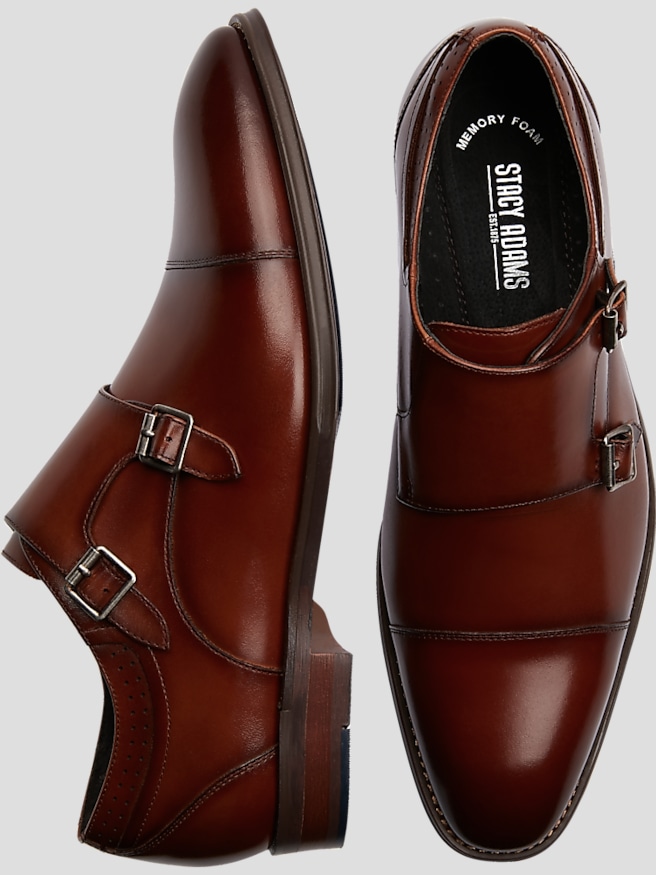
Men's comfortable leather shoes combine a supportive fit, cushioning underfoot, and a shape that suits the way they will be worn. For an office day that includes a walk from the parking garage, several meetings, and dinner afterward, comfort depends on more than a soft first step. A secure heel, adequate toe room, and a sole that flexes near the ball of the foot all contribute to a pair that feels balanced through hours of wear. Leather brings a polished appearance to that practical foundation, with textures ranging from smooth and understated to pebbled and relaxed. Full-grain leather retains the hide's natural surface and can develop a distinctive patina with proper care; its initial softness varies with thickness and finishing. Calfskin often has a fine grain and a supple feel, while suede offers a softly textured alternative for less formal outfits. Neither a leather label nor a plush footbed alone guarantees comfort. The lining, seams, shoe shape, and outsole construction matter just as much as the upper. Smooth interior finishing can help limit friction, and leather linings can absorb some moisture, though shoes still need time to dry between wears. Cushioned footbeds soften the feel of each step, while a contoured shape may provide a more supportive platform than a flat insert. Memory foam offers an initially yielding feel, but cushioning that compresses too easily may not provide the steady support someone prefers for a long day. Rubber outsoles can add flexibility and grip, depending on their tread and compound, while lightweight polyurethane soles can reduce weight and provide cushioning. Traditional leather soles offer a slim, dressy profile, though their grip and flexibility vary with construction and wear. The most comfortable leather shoes for an individual bring these elements together without feeling bulky, unstable, or restrictive. A sleek silhouette can still accommodate practical comfort features, making leather footwear suitable for professionals, commuters, wedding guests, and anyone who prefers a finished look with everyday clothing.
Fit gives comfortable leather dress shoes their foundation, especially when the schedule involves more standing than sitting. The toes should have room to lie naturally rather than press together, and the widest part of the foot should sit comfortably within the widest part of the shoe. An elongated toe shape may leave extra space at the front without being too large; heel security and alignment at the ball of the foot are more useful checks than empty space alone. Width matters independently of length. Moving up a size to escape pressure across the forefoot can introduce heel movement and place the shoe's flex point too far forward. A suitable width is generally a better solution, while feet with a higher instep may benefit from an upper that adjusts without pressing firmly across the top. Lace-up styles offer control over that fit. An oxford's closed lacing creates a clean profile that complements tailored suits, while a derby's open lacing often allows more adjustment over the instep. Loafers bring an easy, uncluttered look to dress pants and chinos, but their slip-on construction makes a secure fit particularly important. Substantial heel slipping or a tight band across the foot should not be dismissed as a necessary break-in stage. Leather can soften and conform with use, but shoes should not need painful wear to become tolerable. Trying shoes with the socks intended for regular wear gives a more realistic impression, as does checking both feet while standing and walking. Anyone who uses an orthotic may need sufficient interior depth and a removable footbed to accommodate it without crowding the toes or lifting the heel too high. Arch support is also personal: a pronounced contour that feels reassuring to one wearer may create an uncomfortable pressure point for another. For days spent moving between a desk, a reception area, and nearby appointments, a secure fit with moderate cushioning often feels more dependable than an exceptionally soft shoe that allows the foot to slide around inside.
Intended use helps distinguish a comfortable everyday pair from footwear best suited to shorter outings. Smooth black leather with restrained detailing works naturally with charcoal or navy tailoring, while brown leather can bring a softer finish to chinos, textured trousers, and dark denim. Cap-toe designs feel composed without much ornament; broguing adds visual texture that can bridge business attire and more relaxed combinations. For casual settings and time behind the wheel, men's driving shoes offer another leather footwear direction, often characterized by flexible construction and a close-to-the-foot feel. Their low-profile soles are not necessarily intended for extensive pavement walking, so the day's activities still matter. At a wedding or graduation, shoes may need to remain comfortable through a ceremony, standing conversations, and a long walk back to the car. Wearing a properly fitted pair for a few shorter stretches beforehand provides a chance to notice rubbing or sock slippage before a full day away from home. Long-term comfort also depends on care. A soft brush or cloth removes surface dust before it works into creases, and a conditioner formulated for the leather can help prevent excessive drying when used according to its directions. Smooth leather may benefit from an appropriate cream or polish, while suede needs its own brush and compatible care products rather than ordinary leather polish. Testing a treatment in an inconspicuous spot helps avoid unexpected changes in color or finish. Shoes should dry naturally away from direct heat; cedar shoe trees can help maintain their shape and absorb some interior moisture between wears. Rotating pairs gives linings and footbeds time to dry, and using a shoehorn helps protect the heel counter from being crushed. Over time, worn heel edges, flattened cushioning, or separating soles deserve attention because they can affect the way a shoe feels underfoot. Some stitched constructions permit resoling, though repairability depends on the design and condition. As a gift for a graduate, partner, or parent, leather shoes are most personal when the recipient's size, width, and daily routine are well understood. Thoughtful fit and consistent care make them a useful part of a wardrobe built around both comfort and presentation.