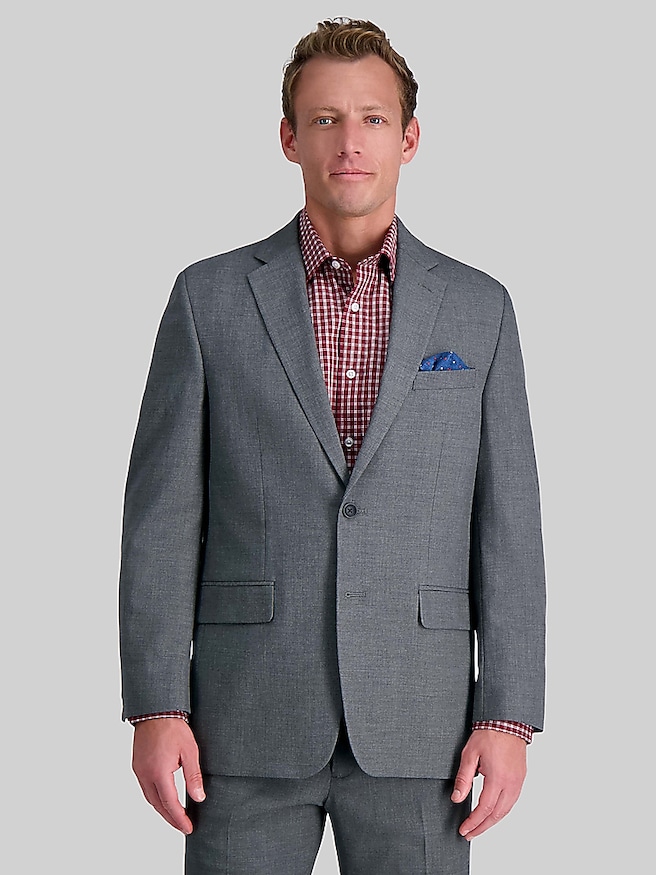
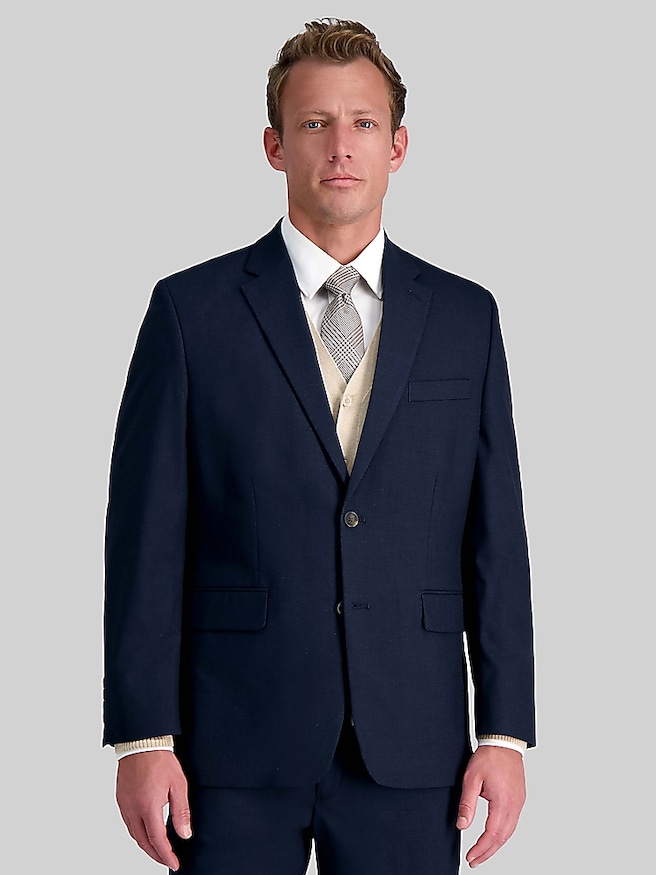
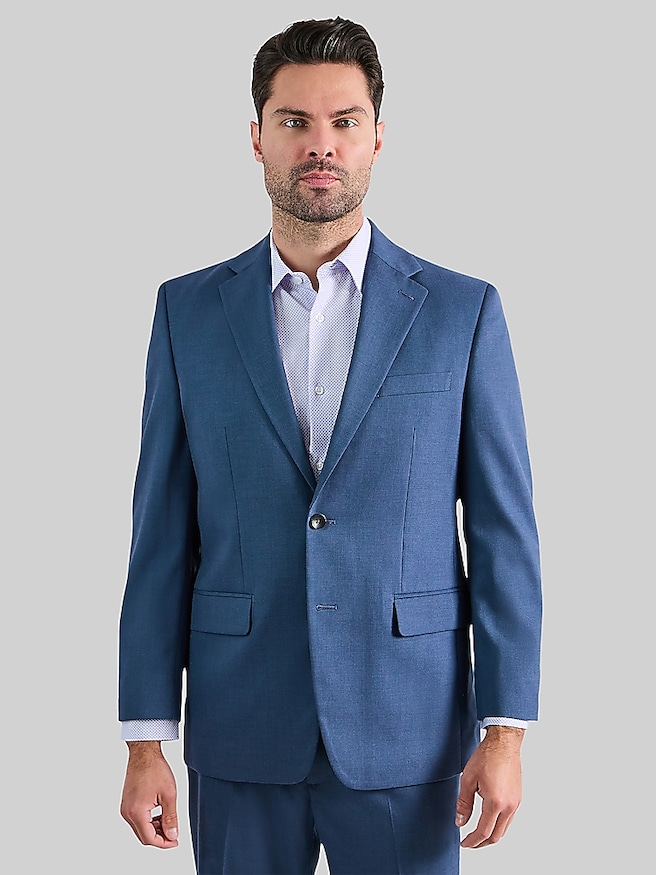
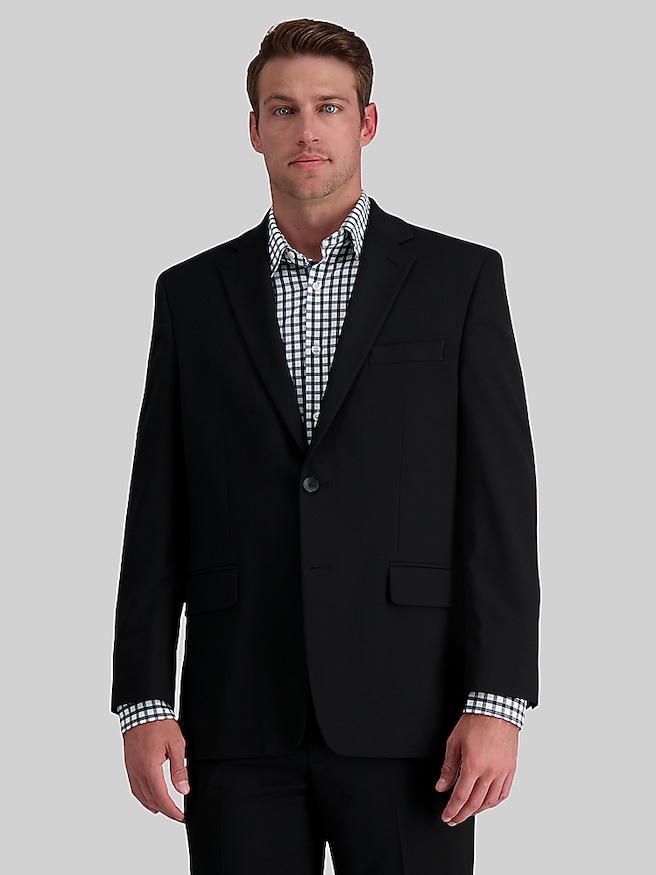
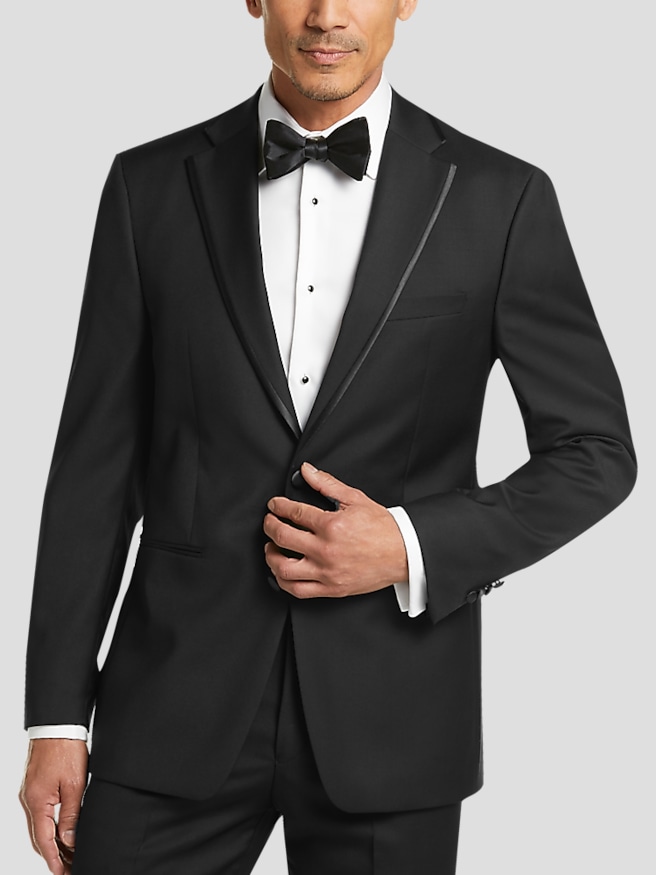
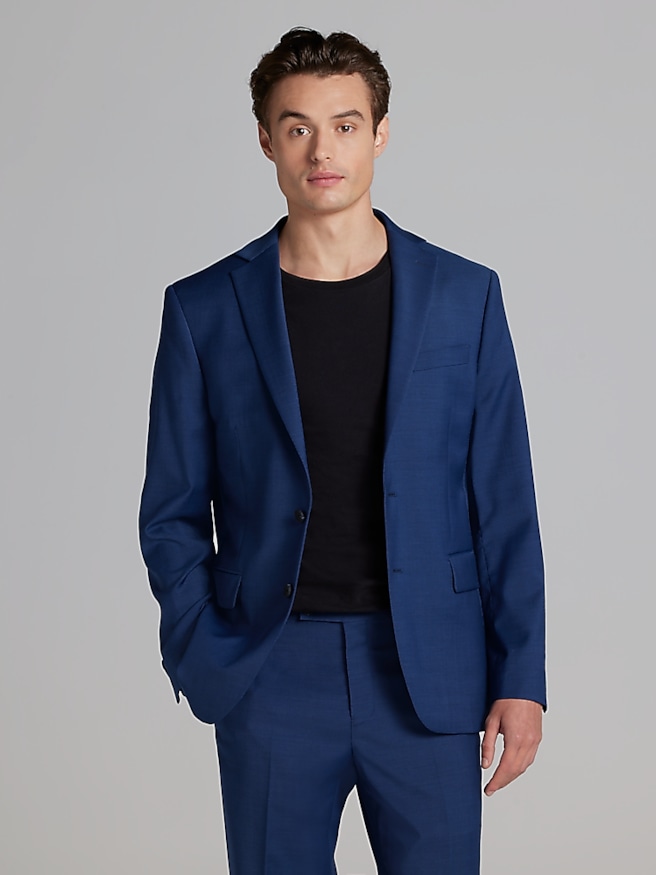
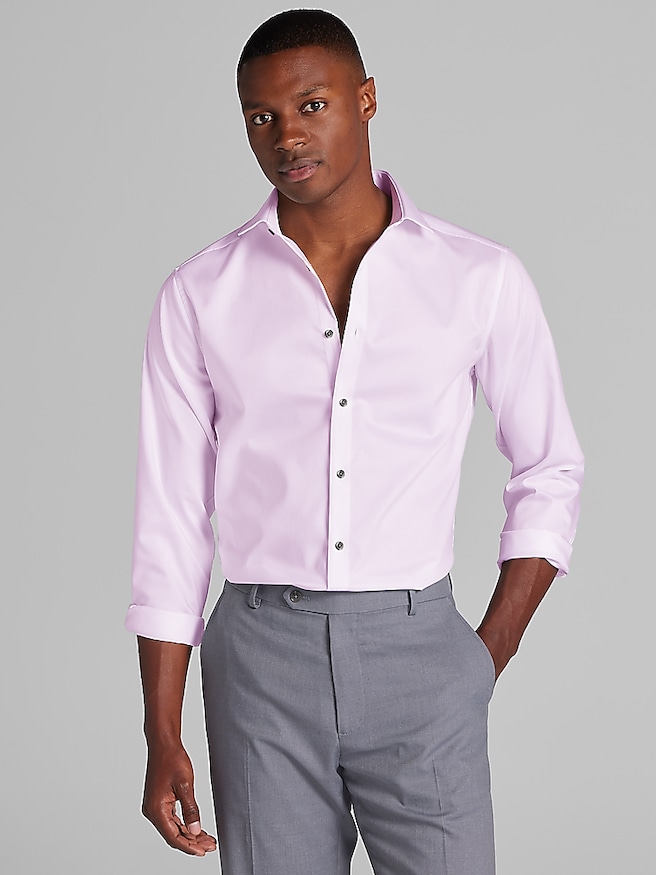
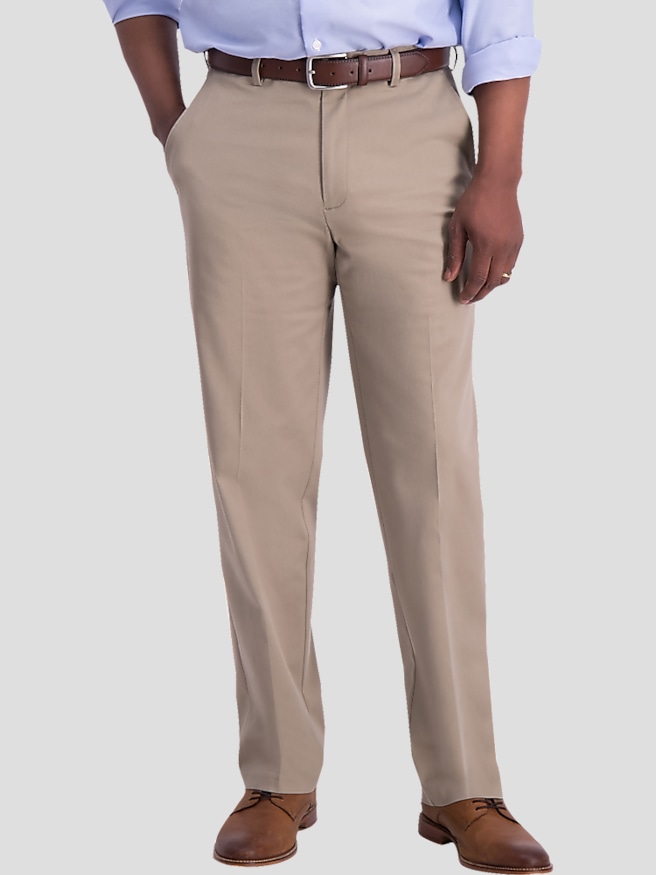
Men’s club outfits are built around a balance of polish, comfort, and personal style. The right look should feel intentional under low lighting, hold its shape through an evening of conversation and movement, and meet the expectations of the venue without appearing overly formal. A dependable starting point is a streamlined silhouette in a darker color palette: black, charcoal, deep navy, espresso, and rich earth tones are easy to coordinate and naturally suited to nighttime settings. Dark denim or tailored trousers can anchor the outfit, while a fitted button-down, refined polo, or textured shirt adds structure without making the look feel stiff. For a more elevated entrance, layer a tailored blazer over a clean shirt or a simple knit top; for a relaxed club with a casual dress code, a bomber jacket or other sharp outer layer can create the same finished effect. The goal is a clean line from shoulder to hem, not clothing that feels restrictive. Slim and tailored fits are often effective for a modern club outfit, but the best fit leaves room to sit, walk, and move comfortably. Sleeves should end neatly at the wrist, trouser hems should avoid excessive bunching, and the shoulder seam should sit close to the natural shoulder. These small details become especially noticeable when an outfit is worn beneath bright entrance lights, in photographs, or while standing at a bar with friends. A crisp white shirt offers a striking contrast with dark trousers, while a tonal outfit in several shades of black, gray, or navy creates a subtle, contemporary appearance. Texture can also add depth without relying on bright color; woven surfaces, soft knits, subtle patterns, and matte or lightly lustrous fabrics give an outfit visual interest as the evening changes from dinner to dancing.
Footwear and finishing touches have an important role in men’s club outfits because they can shift the same clothing from everyday casual to evening-ready. Choose footwear that looks clean, maintained, and appropriate for the venue: leather or suede boots, loafers, or sleek low-profile sneakers can all work when they complement the rest of the outfit and are free from visible wear. Athletic trainers designed primarily for exercise may make an otherwise polished look feel unfinished, particularly at clubs with a more selective dress code. Before getting dressed, check the venue’s requirements, since some locations expect a collared top, tailored trousers, or dressier shoes, while others welcome dark denim and refined casual layers. A watch, understated chain, belt, or pocket detail can provide a final point of interest, but accessories are most effective when they support the outfit rather than compete with it. Keep proportions in mind: a fitted top often pairs well with a clean, straight or tapered leg, while a more relaxed layer benefits from a simpler base underneath. During the cooler months, a well-cut jacket or substantial overshirt can add warmth on the walk between venues without hiding the outfit completely once indoors. Look for pieces that layer smoothly and resist excessive bulk, especially if you expect to spend time in a crowded space. Fabric choice matters as well. Breathable materials and comfortable linings help maintain ease during a long evening, while wrinkle-resistant construction can keep the outfit looking composed after travel or time spent seated. For an event that begins with dinner, a date, or drinks and continues later into the night, versatile layers make it easier to adjust your look as the setting changes. A blazer can be removed for a more relaxed appearance, or an outer layer can be added when the air turns cool, allowing the same foundation to work across several parts of the evening.
These recommendations can help a range of shoppers build an outfit for a first night out, a birthday celebration, a concert-adjacent venue, a date, or a regular evening with friends. They can also make thoughtful gifts for a man who enjoys dressing well but prefers a practical wardrobe: a versatile layer, a refined shirt, or a well-chosen accessory can refresh several outfits instead of being reserved for one occasion. If the recipient’s personal style is unfamiliar, darker neutrals and classic silhouettes are generally easier to wear and coordinate than bold colors or highly distinctive patterns. Consider his usual fit, preferred level of formality, and the places he spends time; someone who favors understated clothing may appreciate a textured neutral top, while a more adventurous dresser may enjoy a subtle pattern or a richer seasonal color. Sizing is worth checking carefully, particularly for tailored garments, since a clean fit is central to the club-ready appearance. When shopping for yourself, think about how each piece will work with clothing already in your closet. A dark foundation can be dressed up with a structured layer, softened with a knit, or given a sharper finish through polished footwear. The same attention to coordination can be useful when assembling looks for group celebrations, evenings away, or special occasions during the transition from early fall into winter. For daytime social plans that call for a lighter, more relaxed interpretation of refined style, explore Men's Brunch Outfits for complementary ideas. Whether the setting calls for smart-casual ease or a more formal presentation, a successful men’s club outfit should feel natural from the moment you leave home: comfortable enough to enjoy the evening, tailored enough to respect the dress code, and distinctive enough to reflect the person wearing it.