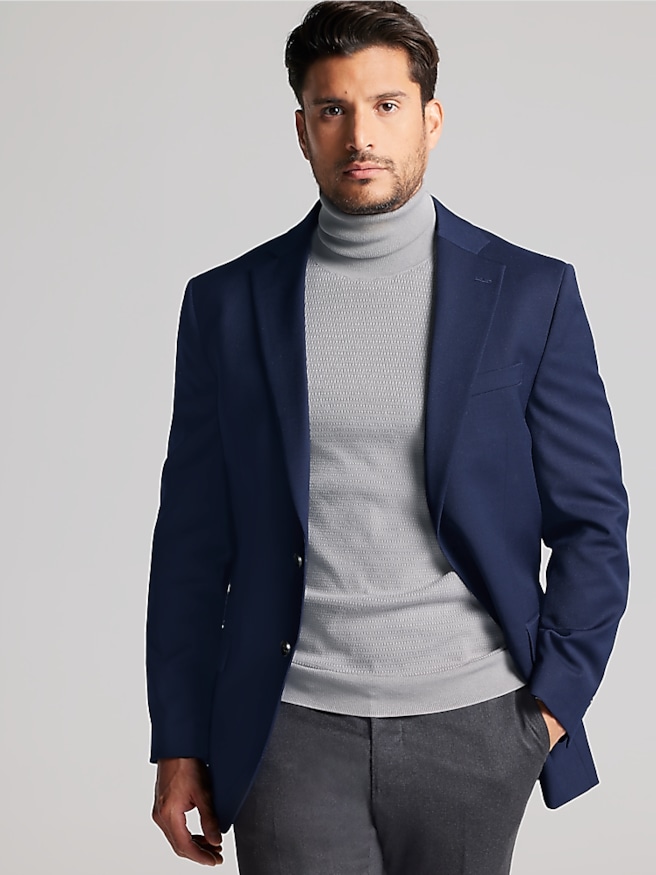
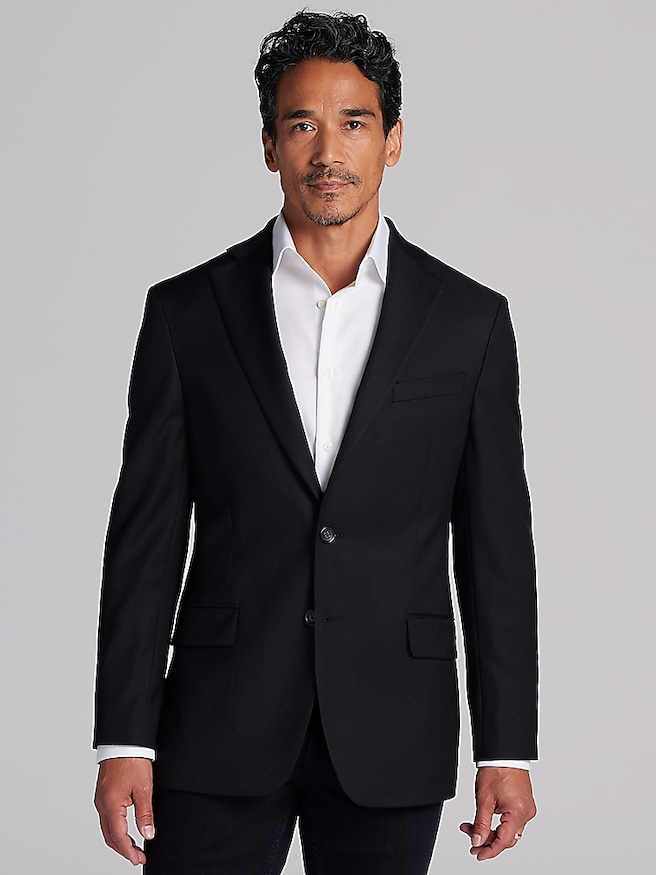
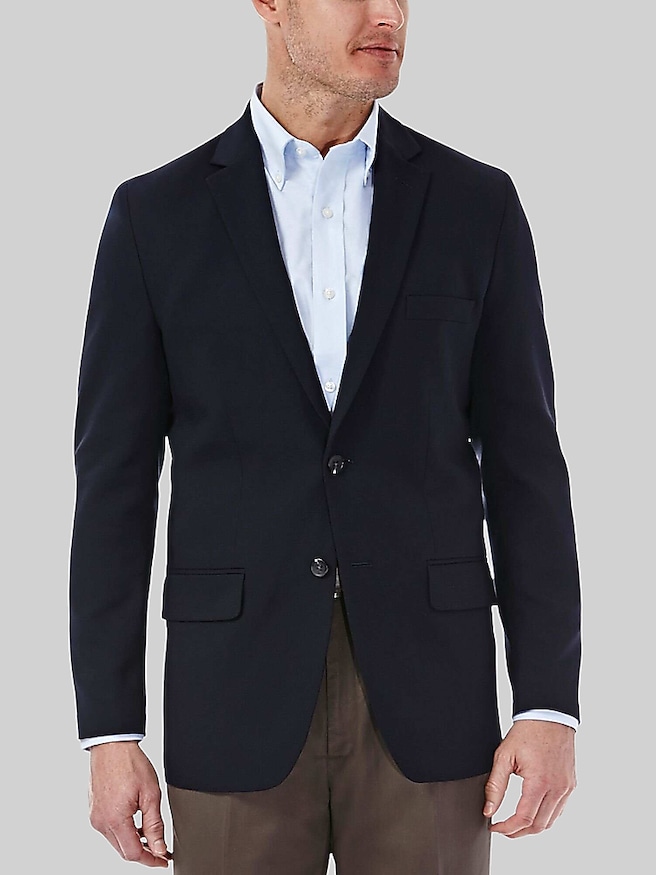
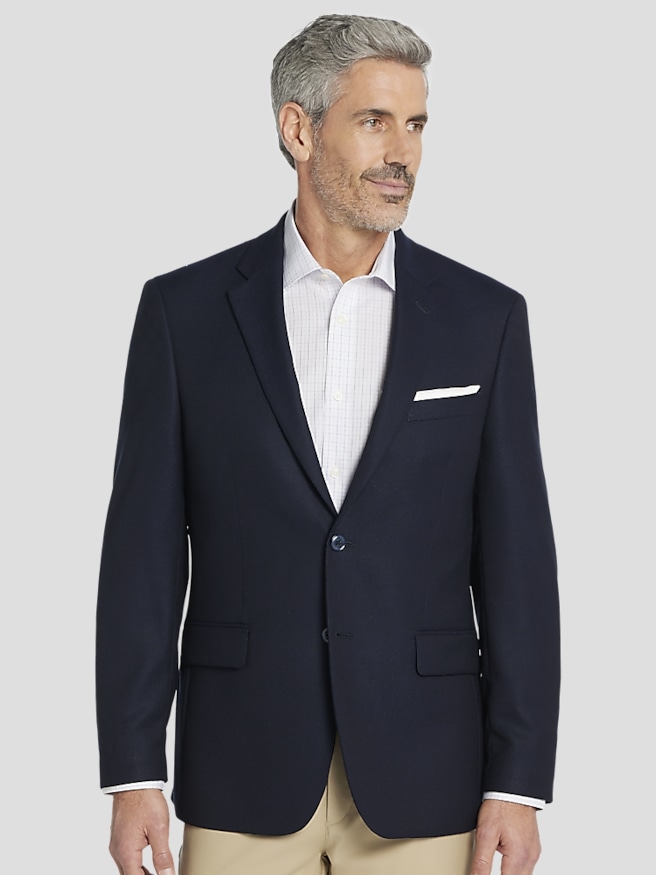
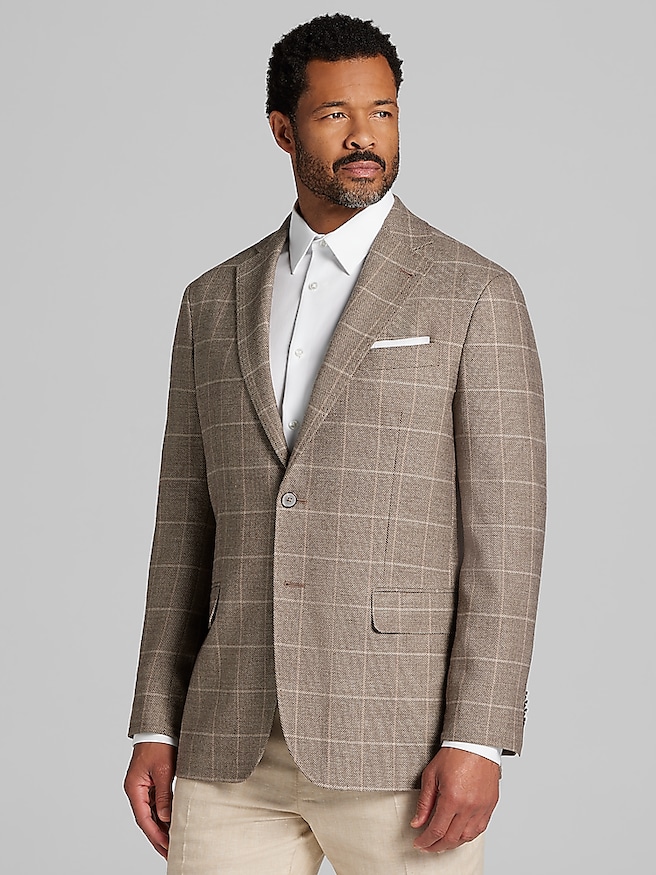
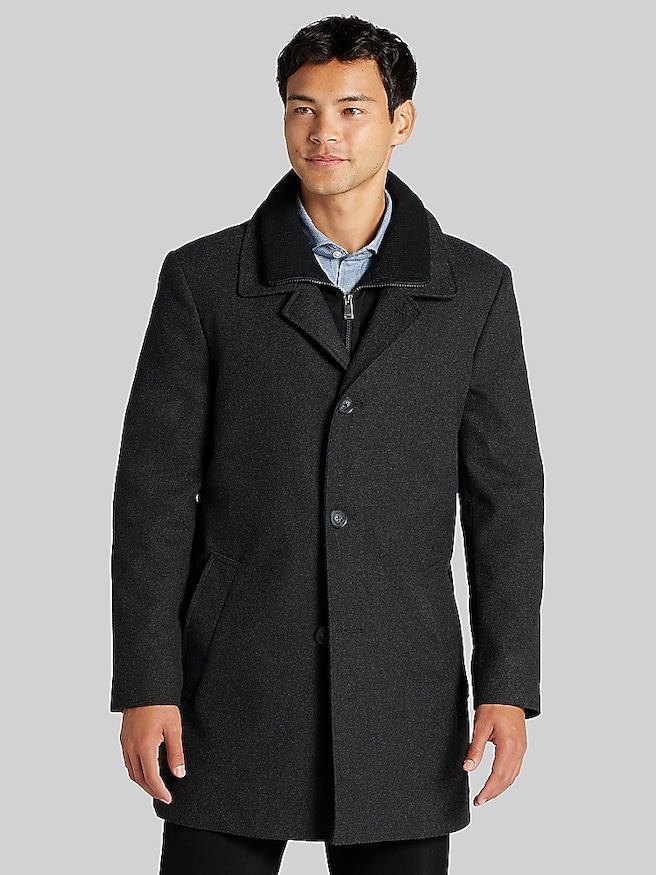
Men's city coats are streamlined outer layers designed to work with tailored clothing and everyday outfits, balancing a polished appearance with practical coverage for commuting, walking, and travel. The category spans wool and wool-blend topcoats, lightly insulated designs, and weather-resistant shells, with differences in fabric, construction, and length shaping how each coat feels and performs. A wool-rich coat brings natural insulation and a substantial drape that complements a suit, while a lighter woven shell can be easier to carry between a train platform, an office lobby, and a crowded restaurant. Wool blends may incorporate synthetic fibers to support durability or help the fabric maintain its shape; the fiber percentages, weave, and overall construction matter more than the blend label alone. Smooth finishes tend to look dressier, while subtle texture adds depth without competing with patterned tailoring. For damp commutes, water-resistant fabric can help shed light precipitation, but it is not the same as waterproof protection. A coat intended for sustained rain needs appropriately rated fabric and construction details, such as sealed seams, that help prevent water from entering. Insulation deserves a separate look: a thin lining can improve comfort and make layering easier without providing the warmth of an insulated body. Wool weight, fill type, coverage, and protection at the neck all contribute to how a coat performs outdoors. A neatly shaped collar, secure front closure, and sleeves that accommodate a jacket can matter as much as fabric when the route includes several blocks on foot. The appeal of a city coat is its ability to bridge settings. It can sit naturally over business clothing for an early meeting, then look equally appropriate with a sweater and dark denim at dinner. Rather than the bulk or specialized appearance of outdoor equipment, these coats generally emphasize clean lines, restrained details, and proportions that suit streets, stations, offices, and evening plans. That balance makes them useful for anyone whose day moves between professional obligations and time away from work.
Fit determines whether a city coat feels composed or cumbersome, especially when it is worn over tailoring. The shoulders should sit cleanly without pulling across the upper back, and the chest needs enough room for the layers underneath without leaving excess fabric through the body. A close fit over a dress shirt can become restrictive over a suit jacket or substantial sweater, so the intended outfit is an important part of sizing. Everyday movements reveal more than standing still: reaching for an overhead rail, sitting behind the wheel, or carrying a work bag should not cause persistent tightness through the arms or closure. Sleeve length should provide appropriate coverage without swallowing the hands, and the coat's hem should complement what sits beneath it. When paired with a blazer or suit, enough length to cover the jacket helps maintain an uninterrupted silhouette. Longer cuts add coverage through the legs, while shorter city coats can feel less restrictive when moving between seated travel and walking. A back vent supports stride and helps the coat settle more comfortably when seated. Single-breasted fronts often create a simple, adaptable line, while overlapping fronts offer a more pronounced tailored appearance. Buttons, zippers, and covered plackets each affect how the coat closes and how easily it can be adjusted. A collar that can stand securely provides useful neck coverage, and a removable inner panel, when included, can change the look and feel without requiring a different outer layer. Pocket placement also makes a practical difference. Comfortable hand pockets are useful on a walk, while a secure interior pocket keeps small essentials close without interrupting the exterior. Overfilling pockets can distort a coat's shape, particularly in softer fabrics. Navy, charcoal, black, and earth tones coordinate easily with common suit colors, while understated checks or a textured weave can give a neutral coat more character. The strongest choice is one that works with the clothing beneath it and stays comfortable throughout the day's ordinary movements.
Durability comes from more than a heavy fabric. Closely finished seams, securely attached buttons, a lining that lies smoothly, and closures that operate without catching all contribute to a coat's usefulness over time. Areas that see frequent friction, including cuffs, pocket edges, and the shoulder beneath a bag strap, deserve attention because everyday commuting repeatedly stresses the same spots. A city coat also benefits from care that matches its materials rather than a single routine for all outerwear. The care label is the starting point: many structured wool coats require professional cleaning, while some synthetic shells allow machine washing under specific conditions. Heat, agitation, and unsuitable cleaning products can affect shape, linings, insulation, or water-repellent finishes, so those instructions matter. Between cleanings, airing a coat in a ventilated space and gently removing surface lint can keep it presentable. A sturdy, shaped hanger supports the shoulders, and leaving room around the coat helps prevent compression in a packed closet. If a wool coat becomes damp, drying it naturally away from direct heat helps protect its shape; it should be fully dry before storage. Occasional pilling can occur where fabric rubs, and careful treatment with a tool appropriate for the material is preferable to pulling at loose fibers. For someone building a wardrobe around a first office role, regular business travel, or a move toward more tailored everyday dressing, a city coat can become a dependable finishing layer. It can also make a thoughtful gift when the recipient's measurements, preferred fit, and usual layers are known. Someone who walks to work may value coverage and secure pockets, while someone who spends more time driving may prefer lighter construction and easier movement. For related layering options, Men's Fall Coats offers a broader category to consider alongside city-focused outerwear. A well-suited coat earns its place through repeated wear: comfortable over familiar outfits, practical on the journey, and polished enough to remain part of the look when the destination changes.