Men's chronograph watches combine everyday timekeeping with a stopwatch function that measures elapsed time independently of the main time display. On many designs, a long central hand tracks chronograph seconds while smaller subdials record elapsed minutes or hours; another subdial may display the watch's continuously running seconds. Side pushers typically start, stop, and reset the stopwatch, giving a chronograph its recognizable profile. That added function can be useful for timing a presentation, tracking a walking interval, or keeping an eye on a task without reaching for a phone. The appeal is visual as well as practical: layered dials, precisely marked scales, and contrasting hands give the watch face depth and character. Some chronographs include a tachymeter, a scale that can calculate average speed when the stopwatch measures travel over a known distance, such as one mile. A tachymeter is not required for the stopwatch to work, and a chronograph does not need one to earn the name. Specialized designs may feature a flyback mechanism, which resets and immediately restarts the chronograph with one press while it is running, or a monopusher arrangement that controls the timing sequence through a single button. A chronograph is also distinct from a chronometer, a term associated with tested timekeeping accuracy rather than a stopwatch feature. Beyond the dial layout, the movement influences the ownership experience. Quartz chronographs use a battery-powered movement and generally suit someone who values straightforward, low-maintenance timekeeping. Mechanical chronographs use a wound mainspring; automatic versions draw winding energy from wrist movement, while manually wound versions require regular winding by hand. Mechanical watches can appeal to someone who enjoys the engineering behind a timepiece, while quartz offers convenience for a watch worn on a rotating basis. Neither movement type determines the overall style. A restrained dial can look polished with tailoring, while bold numerals and pronounced pushers give a chronograph a more athletic presence. Clear markings and distinguishable hands matter most when the stopwatch will be used regularly rather than simply appreciated as a design detail.
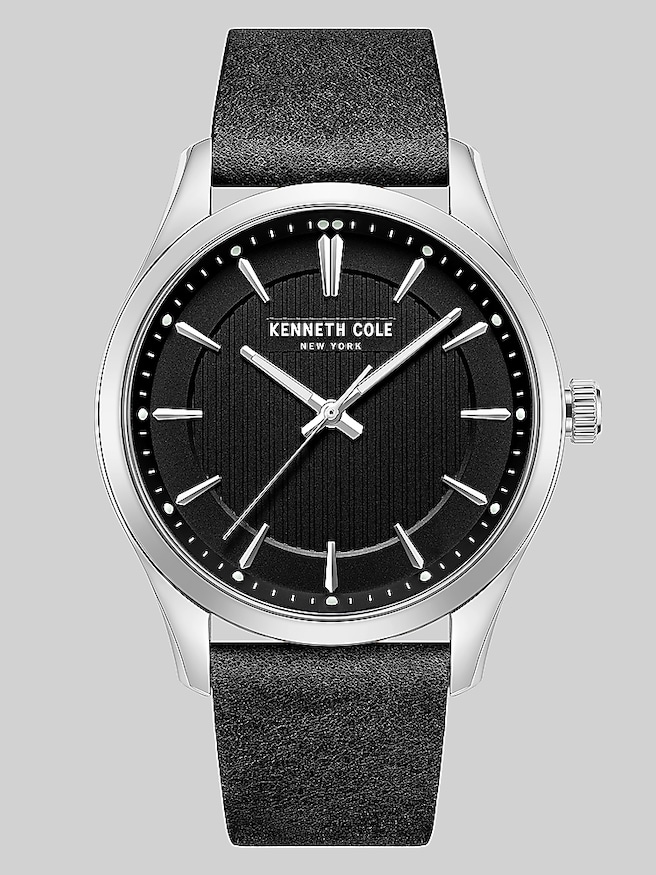
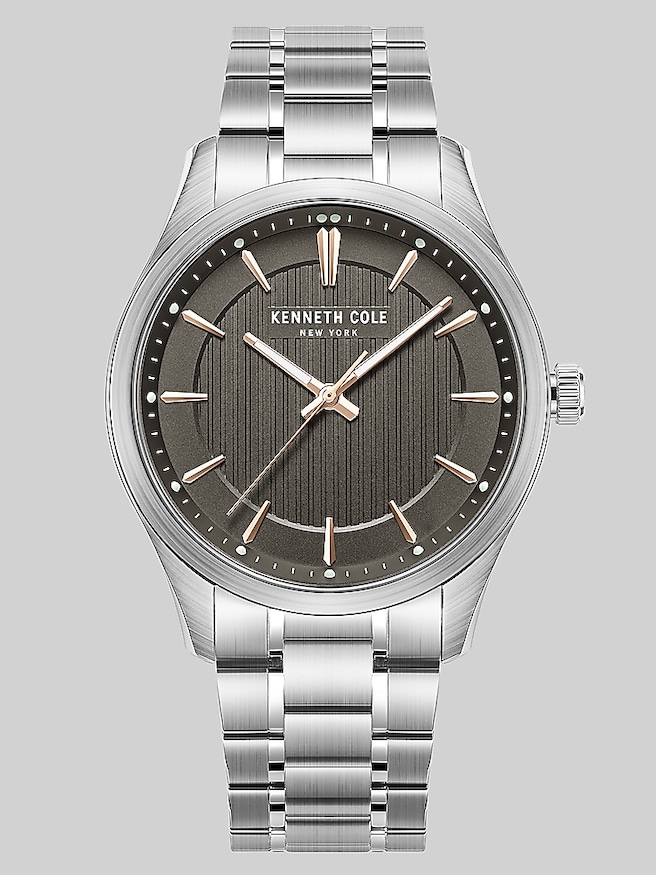
Materials, proportions, and strap construction shape how a chronograph feels throughout the day. Stainless steel is a common case material because it balances strength, corrosion resistance, and a substantial feel on the wrist. Titanium can offer a lighter alternative, although the overall weight still depends on the case, bracelet, and movement. Polished surfaces catch the light and feel dressier, while brushed finishes create a quieter appearance and can make small marks less noticeable. The crystal protects the dial: sapphire is highly scratch-resistant, while mineral glass is another common option with durability that varies by construction and treatment. Neither material makes a watch immune to impact. Case diameter is only one part of fit, especially with chronographs, which can be thicker than simpler timepieces. The distance between the tips of the lugs helps determine whether the watch sits within the wrist's outline, and case height affects how easily it slips beneath a shirt cuff. A larger face may offer more room for timing scales, but a compact case with clear contrast can be equally readable. The best fit feels secure without pinching, with enough freedom for natural wrist movement and no persistent pressure from the crown or pushers. Leather straps bring texture and a tailored character, whether the surface is smooth, lightly grained, or subtly stitched. They often pair comfortably with dress shirts and jackets, though repeated exposure to moisture can shorten their useful life. Metal bracelets provide a more integrated look and can be adjusted by removing links or using clasp adjustments where provided. Silicone and other flexible synthetic straps suit active use when comfort and easy cleaning are priorities. Strap width, clasp design, and the shape of the case back all affect wearability, particularly during long stretches at a desk. Someone who types frequently may prefer a clasp that does not press against the work surface. Someone who wears fitted cuffs may appreciate a lower-profile case. Those small details can matter more in daily use than an impressive measurement on paper.
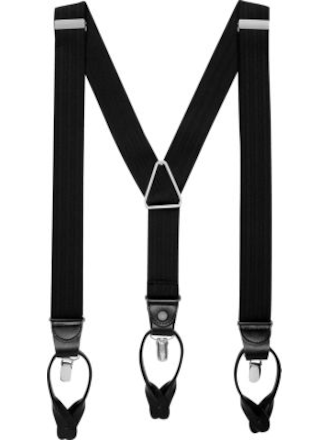
A chronograph can finish an outfit without becoming its loudest element. With a navy suit and a crisp white shirt, a clean dial and restrained strap let the watch's layered construction provide interest without competing with the tailoring. With a knit polo, chinos, or a casual jacket, a sportier case and textured band can feel equally appropriate. Coordinating a chronograph with the finishing touches found in Men's Modern Accessories can help bring the whole look together. Metal tones do not have to match perfectly, but a consistent approach to color and formality keeps the result intentional. A leather strap that relates to a belt or shoes creates a subtle connection; a steel bracelet can work as a neutral accent. For a wedding, business dinner, or presentation, a watch that sits comfortably beneath the cuff usually feels more natural than one that catches on the sleeve. Chronographs also make thoughtful gifts for a graduation, anniversary, career milestone, or someone with an interest in timing instruments and mechanical design. The recipient's habits offer useful clues: a frequently worn watch benefits from comfort and legibility, while a piece reserved for dress occasions may place more emphasis on proportions and finish. Lasting enjoyment also depends on appropriate care. A soft cloth helps remove fingerprints and everyday residue, while cleaning methods should follow the watch manufacturer's instructions for the case and strap. Water resistance is specific to the watch and should not be assumed from a sporty appearance; the rating and care instructions determine which activities are suitable. Chronograph pushers generally should not be operated underwater unless the manufacturer explicitly permits it. Leather benefits from being kept dry, and bracelets need occasional attention around links and clasps where residue can collect. Battery replacement, mechanical servicing, and seal checks are best handled by a qualified watch professional at the recommended intervals. Thoughtful care preserves the chronograph's useful functions and the small visual details that make it satisfying to wear.