Casual men's watches combine comfortable everyday wear, dependable timekeeping, and a relaxed appearance that works with jeans, chinos, polos, and button-down shirts. Their appeal is practical as much as visual: a clear dial keeps the time easy to read, while the case shape, strap texture, and finish give an outfit a distinct point of view. An understated analog watch with simple hour markers can sit comfortably alongside a knit polo and clean sneakers without making the outfit feel dressed up. A field-inspired design brings a more utilitarian character, often through bold numerals, strong contrast, and an uncluttered layout. Digital displays offer another interpretation of casual style, with time and other functions presented in a straightforward format. The distinction is less about a strict dress code than about how naturally the watch fits into an ordinary day, from commuting and desk work to lunch with friends or a weekend outing. Dial color plays a useful role in that versatility. Black, white, silver-tone, and navy faces tend to coordinate easily with familiar wardrobe colors, while muted green or brown can add interest without becoming the center of attention. Brushed case finishes have a subdued appearance; polished details catch more light and can give a casual watch a slightly sharper edge. A clean dial generally feels quieter than one filled with multiple subdials, although a chronograph can appeal to someone who enjoys its stopwatch function and instrument-like appearance. Leather straps soften the look, metal bracelets give it structure, and woven straps introduce texture. These details help explain why casual watches can feel equally appropriate with a tucked-in shirt or an untucked tee. The strongest everyday match usually reflects the wearer's existing habits rather than requiring a new wardrobe: an easy-to-read face for someone checking the time between meetings, a streamlined case for sleeves that sit close to the wrist, or a flexible strap for long stretches at a keyboard.
Materials and construction affect how a casual watch feels after several hours of wear. Stainless steel is widely used for cases and bracelets because it offers useful resistance to corrosion and stands up well to routine handling, though its surface can still collect scratches. A solid metal bracelet has a substantial feel, while leather is often lighter against the wrist and develops creases and character with use. Smooth leather tends to look more refined; pebbled or lightly textured leather has a less formal appearance and can make minor surface marks less noticeable. Woven nylon offers flexibility, and silicone or rubber can suit daily routines where a washable strap is helpful. Each material has trade-offs: leather needs protection from prolonged moisture, woven straps need time to dry after cleaning, and flexible synthetic straps still require regular cleaning where they contact the skin. The crystal over the dial matters, too. Acrylic can scratch relatively easily, mineral glass provides a practical balance of clarity and everyday durability, and sapphire offers strong scratch resistance without being immune to chips or breakage. Inside the case, quartz movements use a battery and generally require little attention beyond periodic service and battery replacement. Automatic movements run through a mechanical system powered by movement of the wrist, with a power reserve that varies by design; they can stop when left unworn long enough. Neither movement type determines whether a watch looks casual. Comfort depends more directly on case dimensions, weight, and strap adjustment. A case that stays within the width of the wrist usually feels more balanced than one with lugs extending beyond its edges. Thickness also becomes noticeable under a shirt cuff. A strap or bracelet should sit securely without pinching, leaving enough room for normal wrist movement but not so much that the case constantly turns underneath the arm. Adjustable closures and removable bracelet links can help achieve that fit.
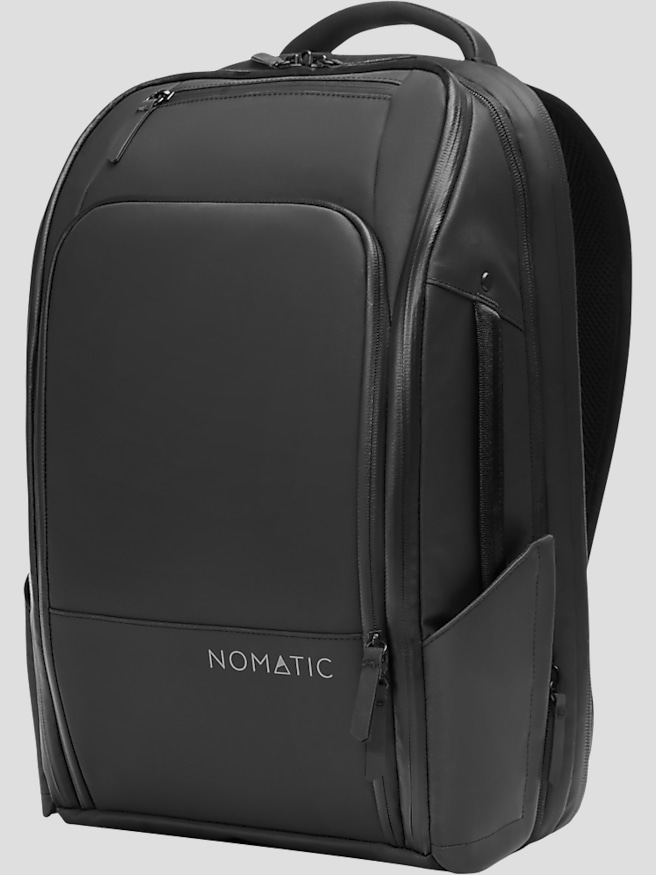
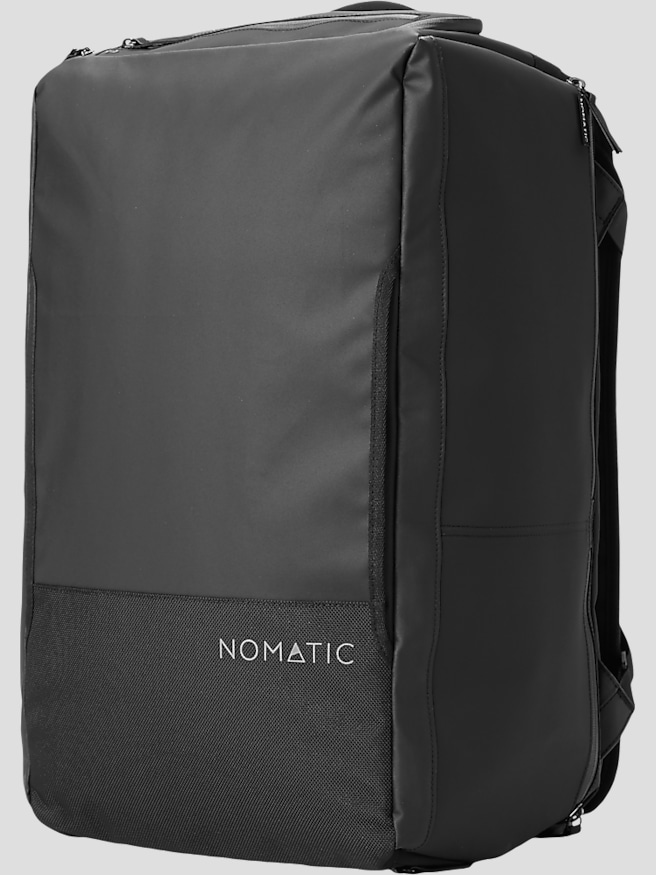
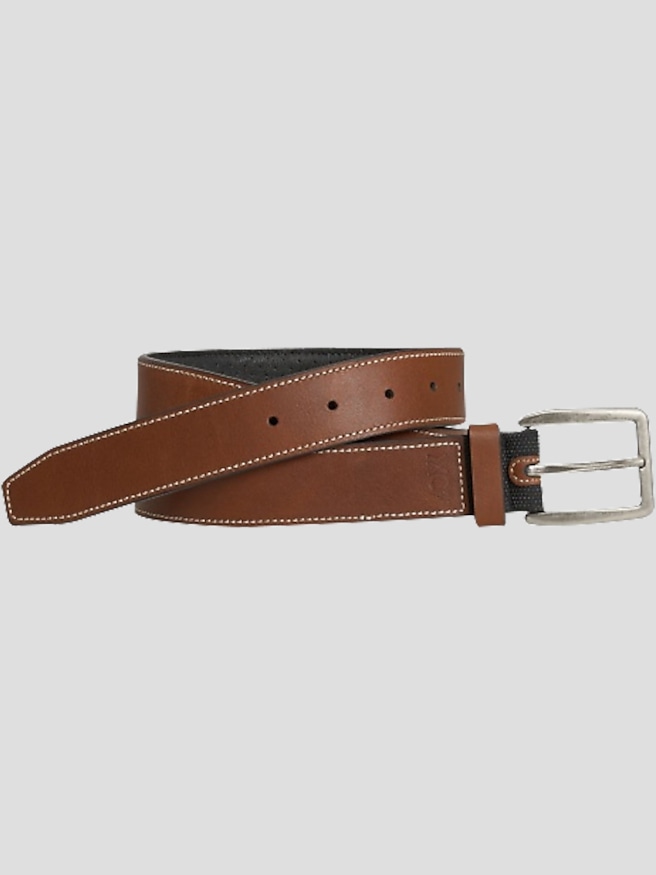
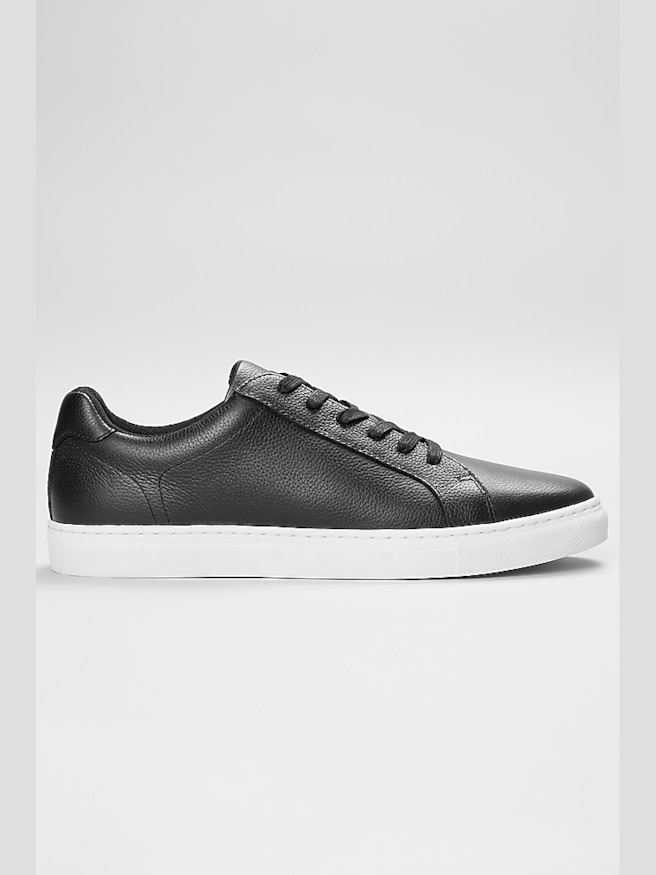
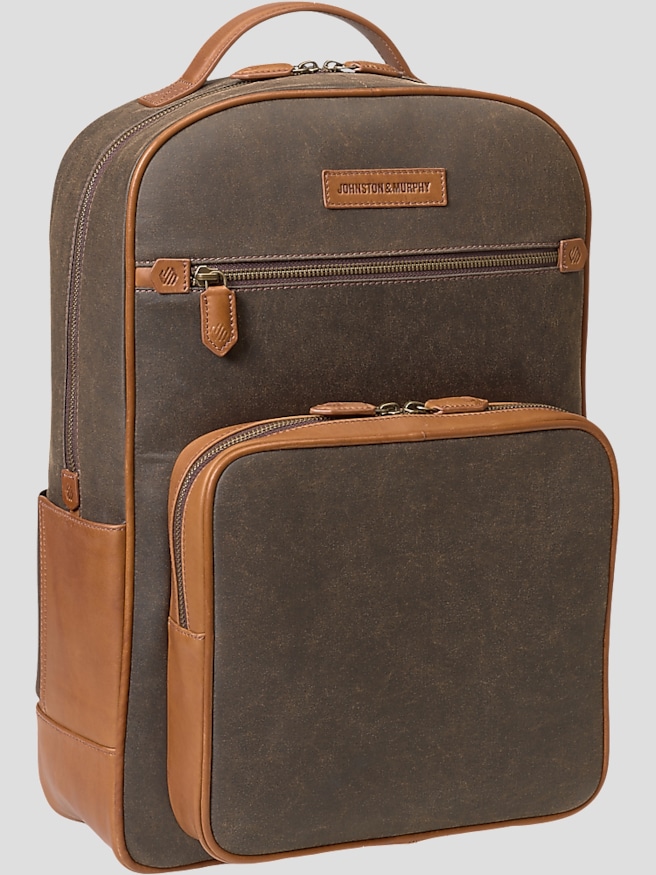
Everyday durability also depends on matching the watch to the activity and caring for it according to its construction. Water resistance is not the same as being waterproof, and a rating should be checked against the manufacturer's stated uses before swimming or exposing a watch to more than incidental moisture. Leather straps are best kept away from soaking, even when the watch case itself has a water-resistance rating. Crowns and pushers should not be operated underwater unless the watch is expressly designed for that use. For routine care, a soft cloth removes fingerprints from the case and crystal, while strap cleaning should follow the material-specific instructions. Harsh household cleaners can damage finishes or straps, and a watch is better stored where it will not rub against keys, loose jewelry, or other hard objects. A separate compartment also helps protect the crystal during travel. Coordinating a watch with men's casual bags can bring an everyday outfit together without requiring an exact match: a brown leather strap can echo a leather handle or trim, while a brushed metal case works comfortably beside textured canvas. The same approach applies to belts and shoes, where a similar level of formality often matters more than identical shades. Casual watches also make useful gifts for birthdays, graduations, anniversaries, or a new job, particularly when the choice reflects how the recipient actually dresses. Someone who wears simple, neutral clothing may appreciate a restrained face and a comfortable strap more than a busy dial with extra functions. A person who enjoys mechanical objects may value an automatic movement and the routine of wearing or winding it. Readability, preferred case size, fastening style, and sensitivity to materials are thoughtful considerations, especially for a watch intended to be worn most days. A well-suited casual watch earns its place through that combination of comfort, useful features, and personal style, becoming a familiar part of getting dressed rather than an accessory saved for special occasions.