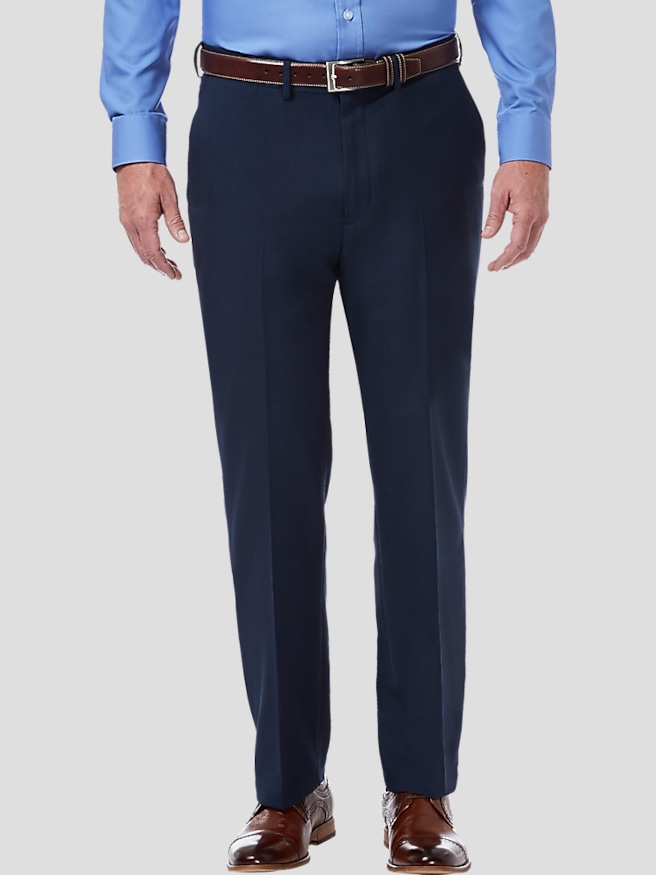
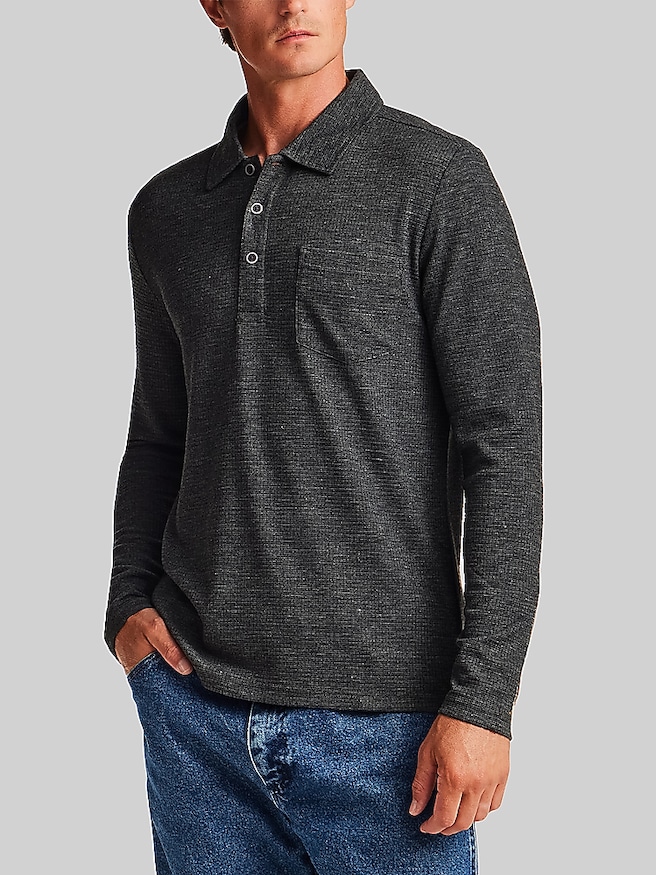
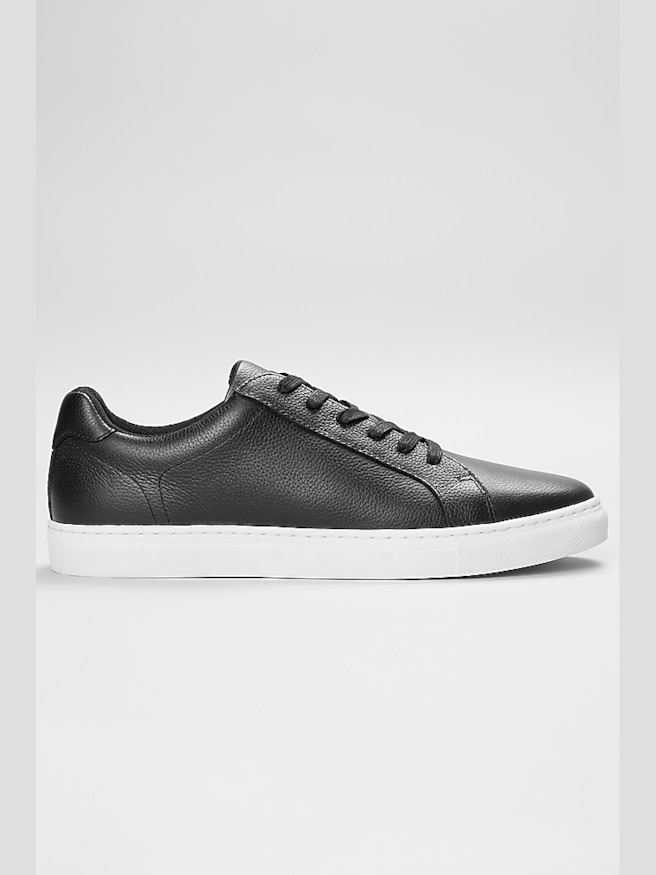
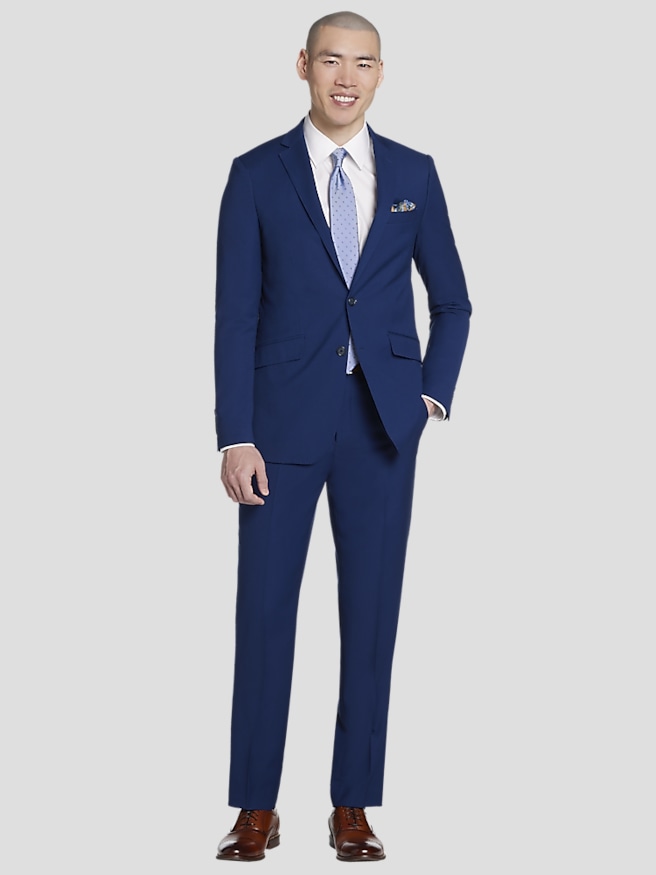
Men’s casual fashion ideas center on clothing that feels comfortable, fits comfortably, and looks appropriate for the day’s plans. The strongest casual outfits balance three things: proportion, texture, and a clear color palette. A plain crewneck T-shirt with straight-leg dark denim and clean low-top sneakers creates a simple foundation for lunch with friends, errands, or a relaxed evening out. An oxford button-down with chinos and leather loafers brings a little more structure to a casual office or dinner reservation without the formality of a suit. These combinations work because each piece has a distinct role: the shirt frames the face, the pants establish the silhouette, and the shoes set the overall level of polish. Neutral shades such as navy, gray, white, olive, and khaki make mixing casual clothing straightforward, while burgundy or muted blue can add variety without competing with the rest of an outfit. Color contrast also changes the effect. A light shirt against dark pants creates definition, while similar shades from top to bottom give an outfit a quieter, more continuous appearance. Texture keeps those restrained combinations interesting. The small woven pattern of oxford cloth, the diagonal grain of denim, and the smooth surface of cotton jersey each bring something distinct to everyday dressing. Casual clothing can suit college students building a versatile wardrobe, professionals dressing for less formal workplaces, and anyone who wants comfortable options beyond athletic apparel. Its usefulness comes from how easily familiar pieces move between settings. A knit polo can look relaxed with jeans yet feel appropriate with tailored chinos at a restaurant. An unstructured sport coat adds shape over a simple shirt without making the combination feel stiff. For broader combinations that connect everyday dressing with other occasions, Men's Outfit Ideas offers additional outfit inspiration. The common thread is clothing that looks considered rather than complicated, with enough flexibility to reflect personal taste and the setting.
Fit gives men’s casual clothing its character, whether the preference is trim and streamlined or more relaxed. A comfortable fit leaves room to sit, reach, and walk without pulling across the chest, hips, or thighs. Shoulder seams that sit near the edge of the shoulder generally create a neat outline, though intentionally relaxed designs may place them lower. Shirt length matters just as much as width. A shorter, gently curved or straight hem often looks balanced untucked, while a longer shirt can stay more securely tucked into pants. Around the waist, trousers should feel secure without relying on a tightly cinched belt to hold excess fabric in place. Slim fits follow the leg more closely, straight fits maintain a more consistent line, and relaxed fits provide additional ease; none is automatically more polished than another. The effect depends on how the proportions work together. A roomy shirt with clean, straight-leg pants can look deliberate, while excess fabric bunching above the shoes may distract from an otherwise simple outfit. Materials influence that fit and the way clothing feels throughout the day. Cotton jersey is soft and flexible, making it a familiar choice for T-shirts and easy layers. Piqué knit has a subtly textured surface that gives polos more visual structure. Oxford cloth brings body to button-down shirts, while cotton twill gives chinos a smooth finish with a recognizable diagonal weave. Denim offers a more substantial texture and develops individual character with repeated wear. A small amount of stretch can improve ease of movement, although fiber content alone does not determine comfort or shape retention. Fabric weight, construction, and cut all play a part. Fine-gauge knits can sit neatly beneath an unstructured jacket, while a more substantial knit often has enough presence to stand on its own. For a long workday followed by a casual dinner, that combination of comfortable movement, balanced proportions, and fabric with enough body can matter more than decorative details.
Everyday versatility also depends on finishing details and care. Minimal sneakers keep jeans and chinos relaxed, while loafers or understated leather boots give the same pants a dressier direction. Footwear should match the amount of walking involved as well as the setting; secure heel placement, adequate toe room, and comfortable support are practical considerations for commuting, travel, and afternoons spent on foot. A simple belt can connect the shoes and pants visually without needing to match every shade exactly. Small details such as a collar that lies flat, sleeves that finish neatly, and pockets that do not flare help casual outfits feel complete. Durability comes from more than fabric thickness. Even stitching, secure buttons, reinforced areas that receive frequent stress, and seams that lie smoothly are useful signs of thoughtful construction. Care needs deserve equal attention, especially for clothing intended for regular rotation. The care label remains the best starting point because similar-looking fabrics may require different treatment. Washing compatible dark garments inside out can help limit surface abrasion, and avoiding unnecessary heat may help protect stretch fibers and reduce shrinkage. Prompt attention to stains keeps a small spill from becoming a lasting mark. Knitwear often retains its shape better folded than hung, while woven shirts benefit from enough hanging space to avoid heavy creasing. Leather footwear needs cleaning and conditioning suited to its finish; suede requires tools and methods intended for its textured surface. Those habits help preserve the details that make casual clothing look sharp after repeated wear. For travel, pieces that coordinate across several outfits can reduce packing without making every day’s clothing look identical. The same navy chinos might accompany a crewneck shirt for sightseeing and a textured polo for dinner. Casual apparel can also make a thoughtful birthday or graduation gift when the recipient’s size, preferred fit, and daily routine are familiar. Comfortable fabrics and familiar colors are often more useful than an unfamiliar silhouette. A dependable casual wardrobe ultimately earns its place through repeated use: clothing that feels good at a desk, looks natural across a dinner table, and remains easy to wear again.