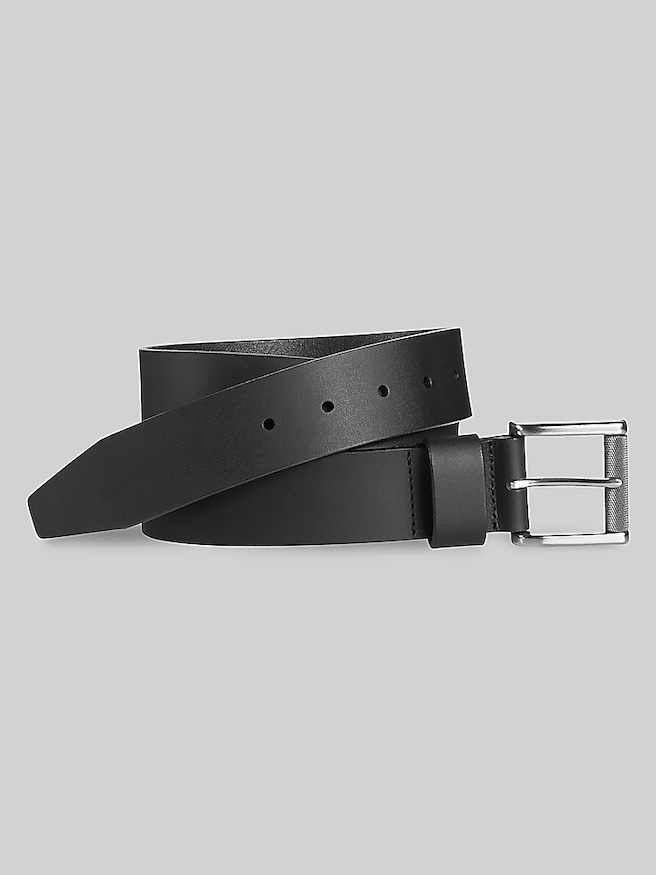
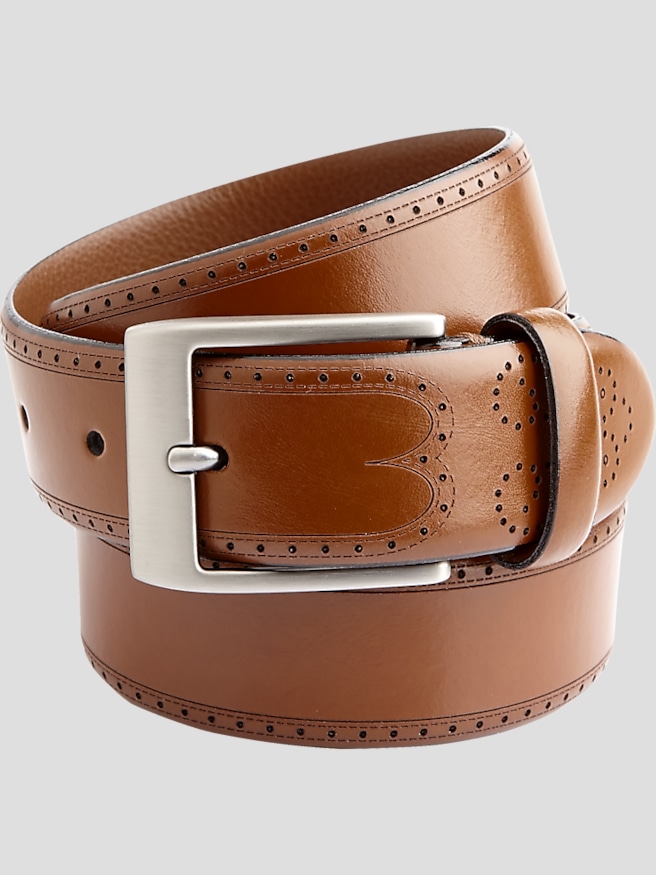
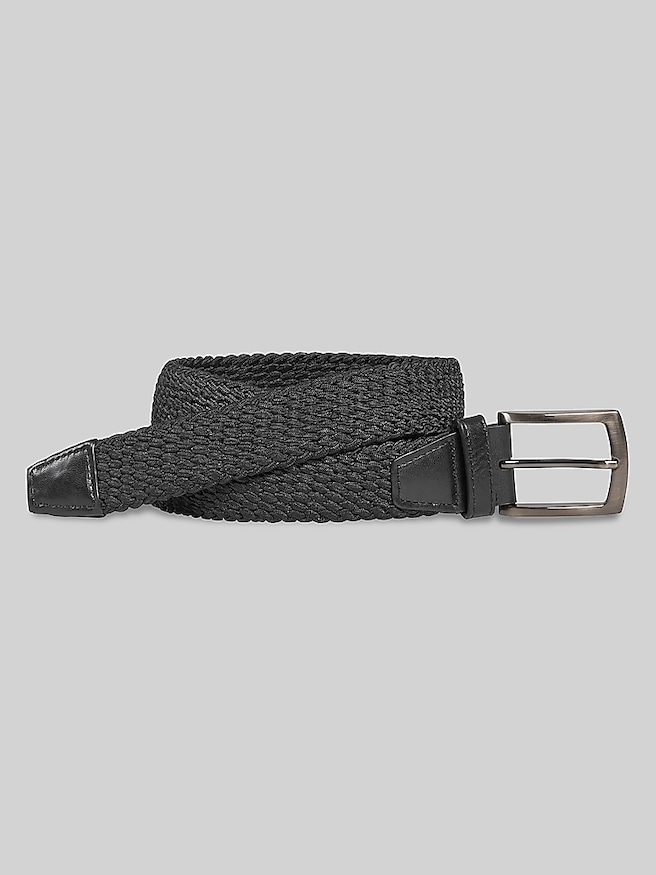
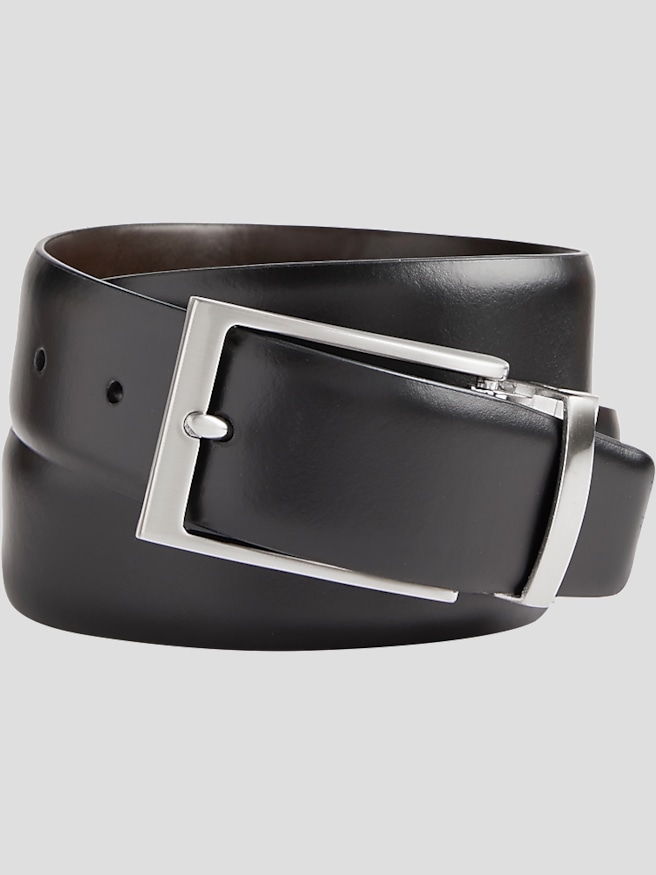
Men’s casual belts for jeans bring useful support and a finishing touch to everyday denim, whether the outfit is a T-shirt and sneakers or a tucked-in button-down with leather boots. Their appeal comes from proportions and textures that feel at home with denim: a substantial strap, an easy-to-use buckle, and a finish that looks relaxed rather than highly polished. A width of about 1.5 inches is a practical starting point for many jeans, offering enough presence to balance sturdy fabric without overwhelming the waistband. Wider belts, up to about 1.75 inches, can suit rugged denim and workwear-inspired outfits, provided the belt loops accommodate them comfortably. Loop size varies, so the strap should slide through without folding, scraping, or forcing the loops outward. A narrower casual belt can look balanced with slimmer jeans or a more refined shirt, especially when its leather has a soft grain or lightly burnished finish. Buckle details help establish the overall character. Brushed metal, antique brass tones, matte finishes, and simple roller buckles tend to complement denim’s texture, while a large, heavily decorated buckle creates a stronger focal point. Color offers another way to pull an outfit together without making every accessory identical. Medium brown leather works naturally with blue jeans and tan footwear; darker brown adds depth beside indigo denim and chocolate-colored boots. For dark denim and understated combinations, men's black belts for jeans provide a clean connection between the waistband and black shoes. Matching the general color and level of polish of the footwear usually matters more than finding an exact shade. A softly textured belt beside worn-in boots feels coherent, while a glossy, slender dress belt can look disconnected from heavily faded jeans. When a shirt is tucked in, the buckle becomes especially noticeable; with an untucked shirt, a comfortable strap and unobtrusive hardware often matter more than decorative detail.
Material influences how a casual jean belt feels, holds its shape, and develops character with repeated wear. Full-grain leather retains the hide’s natural grain surface and can develop a patina as it bends and absorbs the marks of everyday use. Vegetable-tanned leather often shows that change distinctly, though its feel and performance also depend on thickness, finishing, and construction. Top-grain leather has a refined surface and can offer a smooth, consistent appearance that suits dark jeans and casual office outfits. Neither a material name nor a thick strap alone guarantees lasting performance: clean edges, secure buckle attachments, even stitching where present, and a supple rather than brittle feel all contribute to durability. Layered or bonded constructions may wear differently from a single leather strap, particularly around frequently used holes and points of repeated flexing. Distressed and pebbled finishes bring visible texture to simple outfits, and their irregular surfaces can make minor everyday marks less conspicuous. Smooth leather offers a quieter look when the rest of the outfit already includes pronounced denim fading, patterned shirts, or textured footwear. Braided leather adds dimension and, in designs that fasten through the braid, allows flexible placement of the buckle pin. Woven stretch belts offer a forgiving feel while sitting, driving, or moving throughout the day, although the amount of stretch and support varies by construction. Canvas and webbing have a distinctly casual character that pairs easily with sneakers and straightforward denim outfits. Their performance depends on the weave, edge finishing, and buckle mechanism, not simply the fabric’s weight. Reversible belts can serve more than one color combination, but the rotating hardware should operate smoothly and feel secure in use. Across these materials, comfort comes from balance: enough structure to support the waistband, enough flexibility to follow the body, and hardware that does not dig in when seated. These practical details often matter more over a full day than elaborate surface decoration.
Fit determines whether a belt becomes an easy everyday accessory or a persistent distraction. A common starting point is a belt size about two inches larger than the labeled pant waist, but sizing conventions vary, and stretch denim or vanity sizing can make that shortcut unreliable. The maker’s size chart and the measurement of a well-fitting belt provide a better reference. For a traditional belt, that measurement generally runs from where the strap meets the buckle to the hole used most often; the specific measuring instructions should take precedence. A comfortable fit usually leaves adjustment room in both directions rather than requiring the first or last hole. The belt should hold the waistband securely without gathering the denim into deep folds, and the remaining tip should pass neatly through the keeper without extending excessively around the hip. Jeans that need severe tightening may need a better waist fit rather than a firmer belt. Ratcheting closures and some woven constructions allow smaller adjustments than widely spaced punched holes, which can be useful for someone who spends much of the day alternating between a desk and walking. Intended use also helps narrow the details: simple hardware sits discreetly beneath an untucked polo, while a textured leather strap gives a tucked-in casual shirt a more defined finish. For a gift, the recipient’s usual shoe colors, preferred buckle style, and existing belt measurement are more useful clues than pant size alone. Care should match the material. Leather generally benefits from a soft cloth after wear, gentle drying away from direct heat if damp, and a compatible conditioner used sparingly according to the care instructions. Suede and specialty finishes need their own cleaning methods rather than standard leather treatments. Canvas and woven belts should be cleaned only as directed, with attention to any leather trim or metal hardware. Hanging a belt or loosely rolling it for storage helps avoid sharp creases, while keeping it dry before putting it away protects both strap and buckle. With appropriate fit and care, a casual belt can become a familiar part of everyday denim dressing.