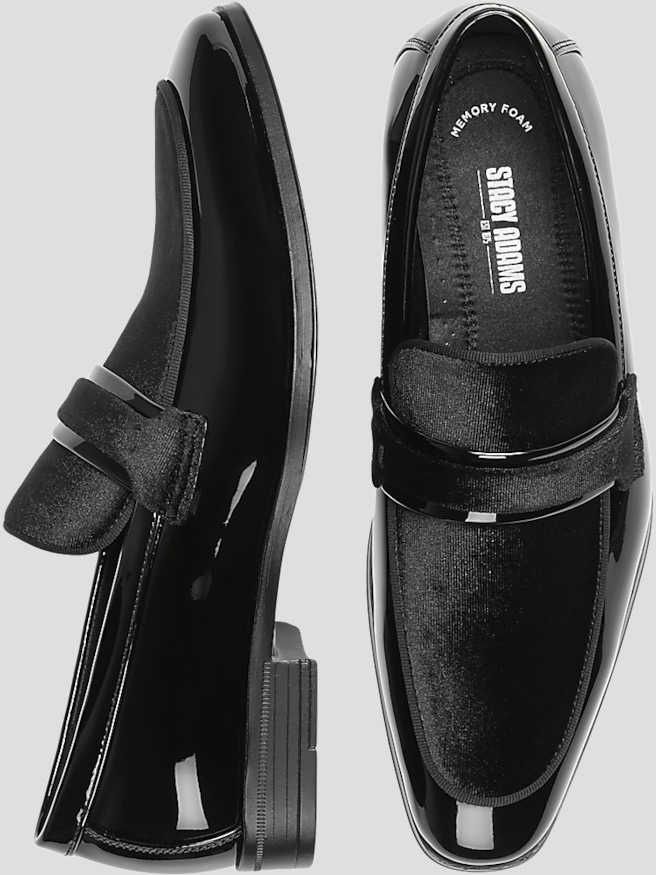
Men's brown leather loafers are slip-on shoes that bring together the ease of a lace-free design and the finished appearance of a leather upper. Their versatility comes from the combination of color, shape, and detailing: a dark chocolate penny loafer can complement tailored trousers, while a lighter cognac loafer can give chinos and a button-down shirt a more relaxed character. Penny loafers have a strap across the top of the foot, traditionally with a small opening at its center. Tassel loafers add decorative leather accents, and bit loafers feature hardware that creates a distinct focal point. Each can work in a dressed-up wardrobe, although a streamlined profile and understated detailing generally look more formal than a broad toe, prominent stitching, or a substantial sole. Brown also offers a useful range of tones. Deep brown feels restrained beside navy or charcoal, medium brown pairs easily with gray and olive, and tan or cognac creates stronger contrast with dark trousers. For an office presentation, dark brown leather loafers with navy trousers and a neatly pressed shirt can look composed without feeling overly formal. For dinner or a gathering with friends, medium-brown loafers with dark denim and a sport coat strike a comfortable balance between casual and tailored. The broader category of men's brown loafers shares this adaptable color palette, while leather adds distinctive texture and the potential to develop character with wear. Trouser length matters, too: a clean hem with little excess fabric keeps the shoe's shape visible rather than burying it beneath folds. A brown belt in a similar shade and level of polish helps connect the outfit without requiring an exact color match. Loafers can suit many business and social settings, but the occasion's dress code remains important. A sleek pair may complement a suit where loafers are accepted; traditional black-tie attire generally calls for a different type of footwear.
The leather, lining, and sole construction influence how brown loafers feel and how they wear over time. Full-grain leather retains the hide's natural grain surface and may show subtle variations that give the upper character. Top-grain leather has been refined at the surface for a more consistent appearance, while other finished leathers can offer a smooth, uniform look. The leather grade alone does not determine comfort or durability; thickness, tanning, finishing, stitching, and construction all contribute. Smooth leather has a crisp appearance that works particularly well with tailored clothing. Suede is also leather, but its soft nap creates a more relaxed texture and requires different care. A polished finish can make a dark brown loafer feel dressier, while a less glossy finish often blends naturally with chinos and denim. Underfoot, leather soles tend to create a traditional dress-shoe profile, and rubber soles can provide flexibility and grip, depending on their design. Neither material guarantees comfort by itself. Cushioning, arch support, lining, and the shape of the shoe all matter, especially for someone who spends part of the day standing, walking between meetings, or commuting on foot. Because loafers have no laces to adjust, a secure fit through the heel and instep is especially important. The heel should remain comfortably seated, the toes should have room to move, and the upper should not press painfully across the widest part of the foot. A little initial firmness can be normal in leather footwear, but persistent pinching or repeated heel slippage suggests a poor fit rather than something to tolerate through a long break-in period. Trying loafers with the type of socks intended for everyday wear gives a more useful sense of fit than trying them with a substantially thicker or thinner pair. Dress socks create a continuous line with tailored trousers, while well-fitting no-show socks offer a bare-ankle appearance with chinos without leaving the foot directly against the lining.
Regular care helps brown leather loafers retain their shape, color, and finished appearance. Surface dust is best removed before it builds up around seams or decorative details, using a soft brush or cloth appropriate for the leather. For smooth leather, an occasional light cleaning with a slightly damp cloth may be suitable, followed by drying away from direct heat. A leather conditioner compatible with the finish can help keep the upper supple, and testing any care product on an inconspicuous area reduces the risk of an unexpected color change. Brown polish should be selected carefully because a darker shade can alter the shoe's appearance; a suitable neutral product may be preferable when preserving the original tone is the priority. Suede needs a suede brush and care products made for its nap rather than conventional smooth-leather polish. Letting loafers rest between wears allows the lining to dry, while properly sized shoe trees help support the shape and limit deep creasing. Natural flex lines across the forefoot are part of wearing leather shoes, but pronounced cracking, separating seams, or an unevenly worn sole deserve attention. Stitched construction can sometimes allow sole replacement, depending on how the shoe is built, while other constructions may be more difficult to repair. These details are useful for someone expecting loafers to become a regular part of a work wardrobe rather than footwear reserved for occasional dinners. They also matter when brown leather loafers are considered as a gift for a graduate entering an office setting, a partner who enjoys tailored clothing, or a family member who prefers slip-on shoes. Familiarity with the recipient's usual fit, preferred toe shape, and sock habits is more valuable than assuming a sneaker size will translate directly. A comfortable fit, a brown tone that complements existing clothing, and care suited to the leather give these shoes a practical place in a wardrobe built around both everyday wear and more polished occasions.