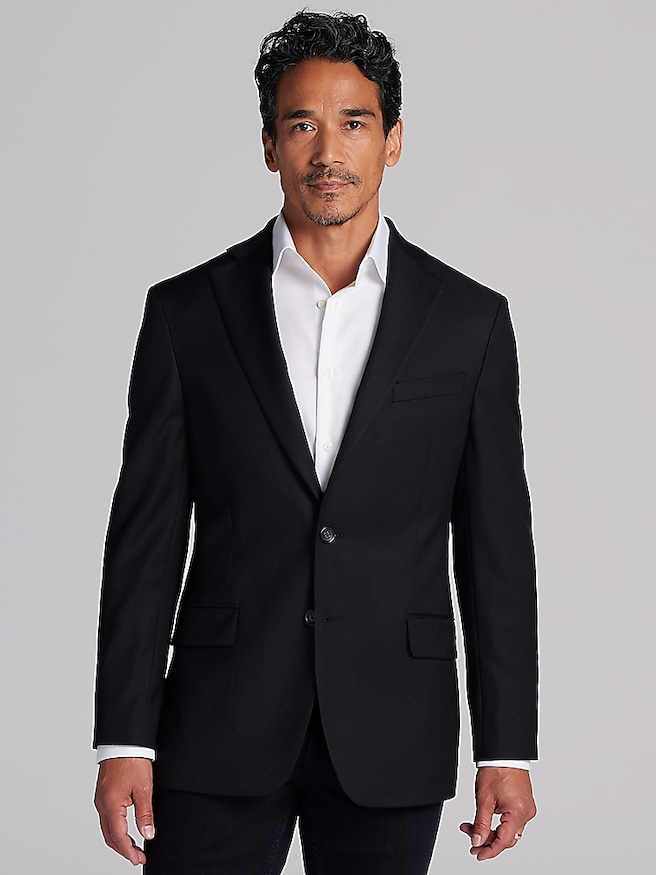
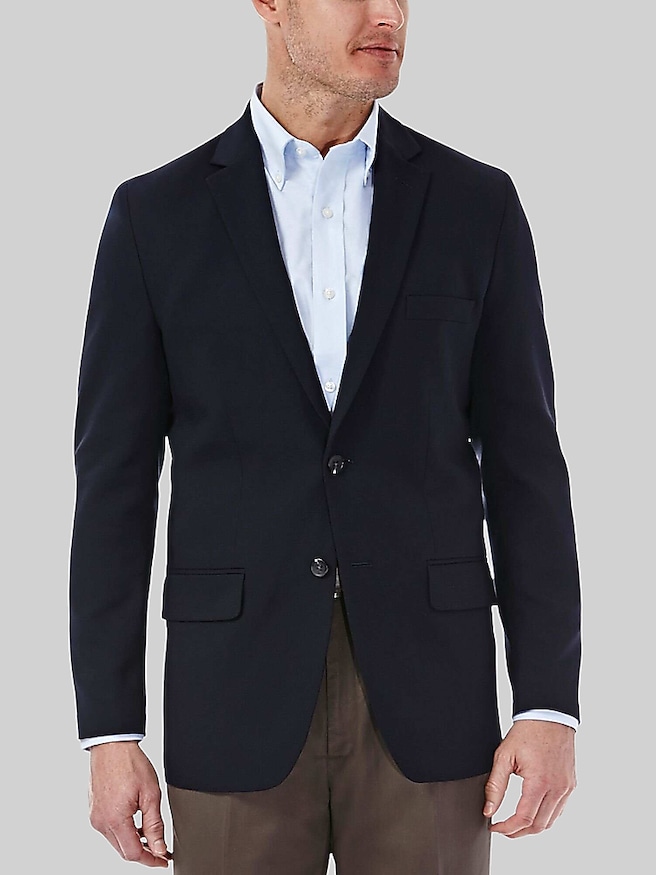
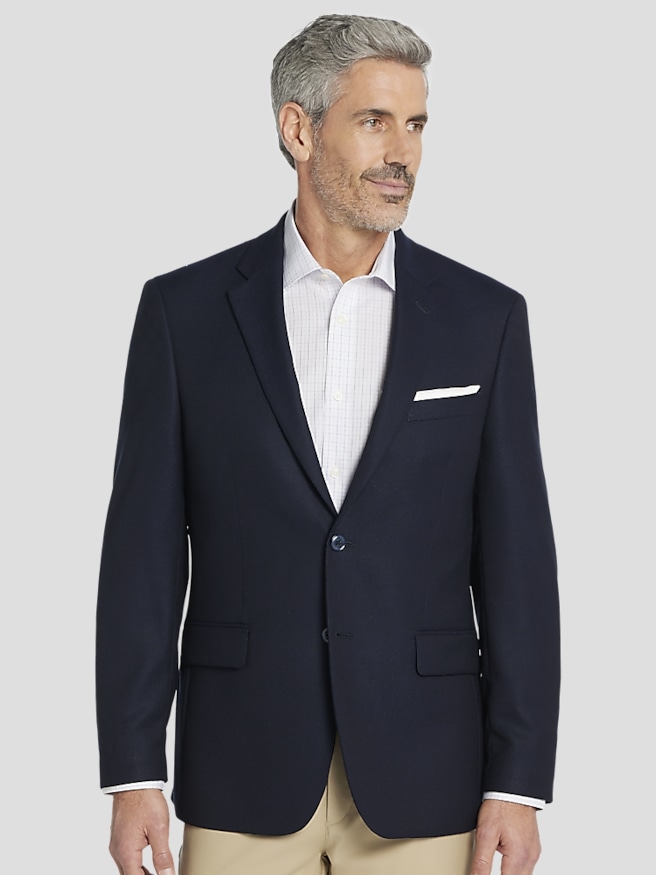
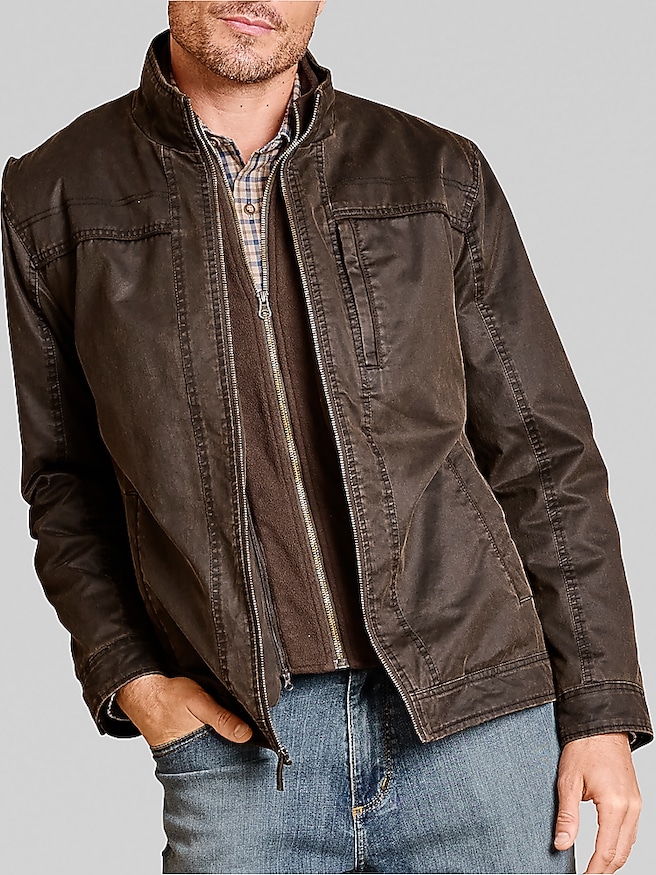
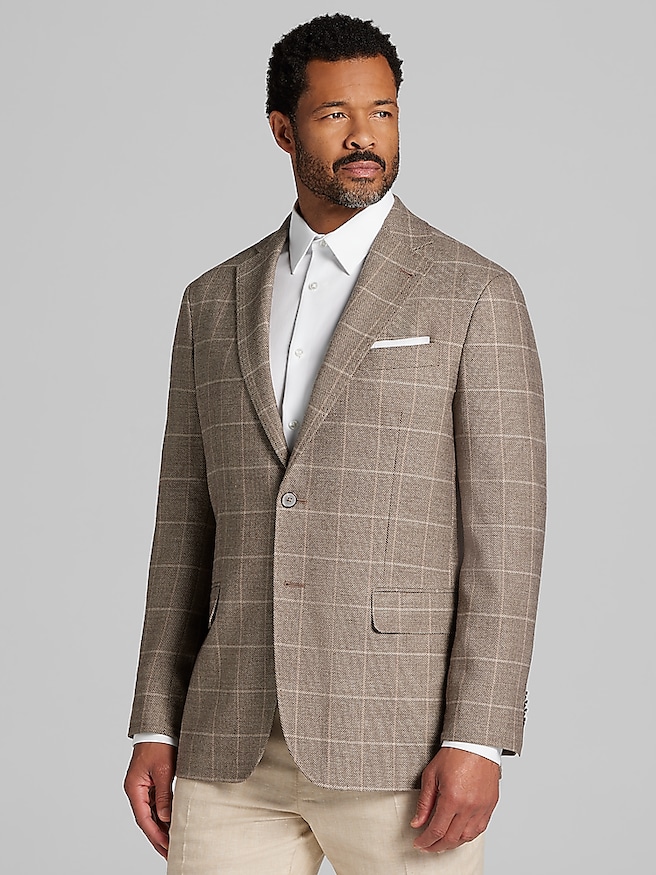
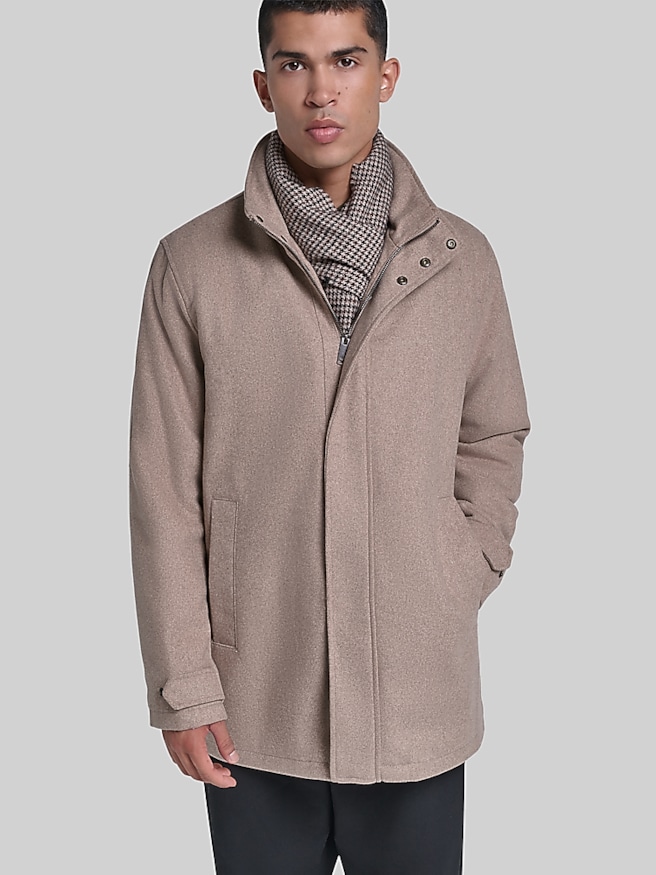
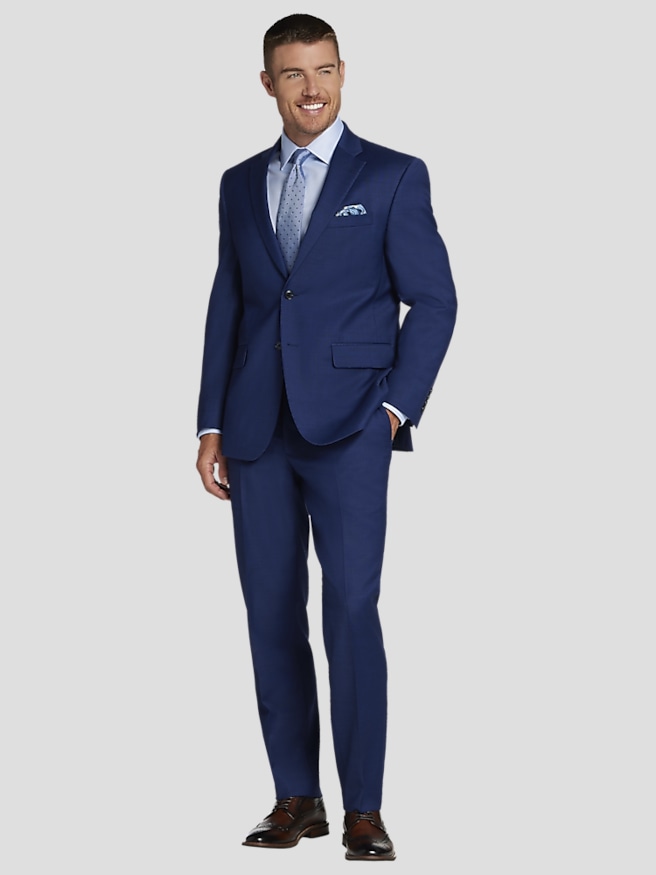
Men’s brown coats bring earthy color and practical coverage to outfits ranging from a tailored suit to jeans and a knit sweater. The category spans wool overcoats, leather and suede styles, and utility-inspired designs in cotton or blended fabrics, with each material offering a distinct texture and feel. A smooth, structured brown overcoat complements business clothing, while a softly brushed surface or visible grain lends itself to more relaxed dressing. Color makes a difference, too: deep chocolate has a restrained appearance that sits comfortably beside charcoal trousers, navy tailoring, and black accessories; medium brown introduces richer contrast; and lighter tobacco or cognac shades make texture more noticeable. Brown does not need to match every other leather or fabric in an outfit exactly. Shoes, a belt, and a coat can share a similar undertone without looking identical, allowing the outfit to feel coordinated rather than overly matched. For an office commute followed by dinner, a clean-lined coat with understated buttons can work over both a suit and an open-collar shirt. For weekends spent walking around town, patch pockets, a relaxed silhouette, and a textured finish create a more casual impression. Wool is a common choice for tailored coats because it combines insulation with a surface that can hold a defined shape. Cashmere can add softness, while blends may balance feel, structure, and resilience depending on their composition. Leather offers a substantial feel and can develop a distinctive patina with wear; suede provides a softer, matte appearance but needs more caution around moisture and stains. Cotton canvas and twill favor a practical, less formal look, although warmth depends heavily on lining, insulation, and construction rather than the outer fabric alone. A coat’s intended use matters more than its color when assessing protection: brown wool, leather, or cotton should not be assumed waterproof, and wind resistance varies with fabric density, closures, and design. The most useful choice connects the look of the coat with the places it will actually be worn.
Fit determines whether a brown coat looks composed and feels comfortable throughout the day. An overcoat intended for business wear needs enough room for a suit jacket beneath it, particularly across the shoulders, upper arms, and chest. Checking the fit over only a thin shirt can disguise tightness that becomes obvious once a blazer is added. With the coat fastened, the front should lie reasonably smooth without pronounced pulling around the buttons, and the lapels should rest against the chest rather than lift away. Reaching forward as though holding a steering wheel, sitting down, and bending the elbows reveal more than standing still in front of a mirror. Sleeves should provide useful coverage without swallowing the hands; their ideal position depends on the style and the clothing worn underneath. A casual coat worn mainly over knitwear can have a closer profile, but the fabric should still allow easy movement. Shoulder construction also changes the impression. A defined shoulder supports a sharper silhouette, whereas a softer or raglan shoulder often feels more relaxed and accommodates layers differently. Length deserves equal attention. A longer brown coat can cover the hem of a suit jacket and create an uninterrupted line over tailored trousers. A shorter design may be easier to manage while driving or moving between seated and standing tasks, though it should still sit comfortably over the intended outfit. Height alone does not dictate the right length; torso proportions, trouser shape, and personal preference all play a part. Details become especially noticeable with repeated wear. A back vent can help a longer coat move naturally during a brisk walk, secure pockets keep small essentials contained, and a smooth lining makes it easier to slide the coat over a jacket. A collar that sits comfortably against the neck and a closure that stays flat are worth considering alongside the overall silhouette. For dressier occasions, restrained detailing lets the tailoring underneath remain the focus; for everyday use, accessible pockets and uncomplicated fastenings may matter more.
Durability comes from the relationship between material, construction, and care, not simply from how heavy a coat feels. Even stitching, firmly attached buttons, neatly finished seams, and a lining that does not strain when the arms move are useful signs to examine. Areas that receive frequent friction, including cuffs, pocket openings, and the collar, deserve particular attention. A textured brown fabric can make minor surface variation less conspicuous, but no color eliminates the need for maintenance. Follow the care label before cleaning, and treat wool, leather, suede, and washable fabrics according to their individual requirements. A soft clothing brush can remove surface dust from many wool coats, while a wide, supportive hanger helps preserve the shoulders between wears. Allow a damp coat to dry naturally away from direct heat, and avoid putting it into storage before it is fully dry. Leather may benefit from a compatible conditioner when recommended for its finish; suede generally calls for a suitable brush and material-specific stain care rather than ordinary leather polish. Test any approved treatment in an inconspicuous area first, since brown finishes can darken or change unevenly. Emptying pockets before hanging a coat also helps prevent stretched fabric and distorted lines. These small habits support a coat that continues to look considered through regular use. Brown is particularly useful for someone building a wardrobe around navy, gray, cream, olive, or denim, because it adds color without demanding a bold outfit. A fine-gauge sweater and wool trousers emphasize its polished side, while a textured knit and dark jeans make the same neutral feel more relaxed. For a lighter alternative, men’s beige coats offer a softer contrast against darker clothing. A brown coat can also make a thoughtful gift for someone starting an office role, refreshing everyday outerwear, or dressing for more formal occasions. Familiarity with the recipient’s usual fit, preferred length, and care habits makes that choice more personal: a coat should suit the way someone gets dressed and moves through the day, not just look appealing on a hanger.