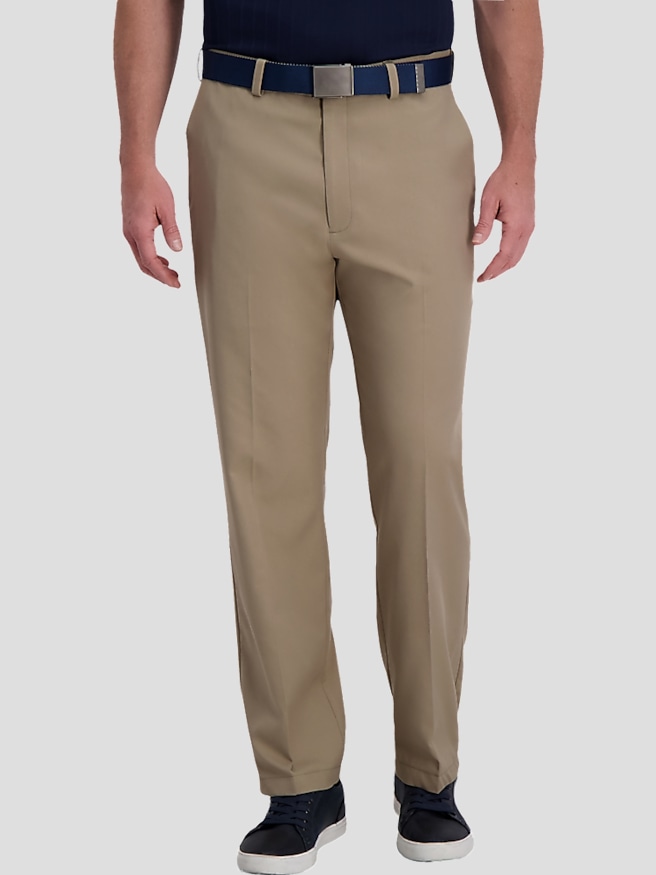
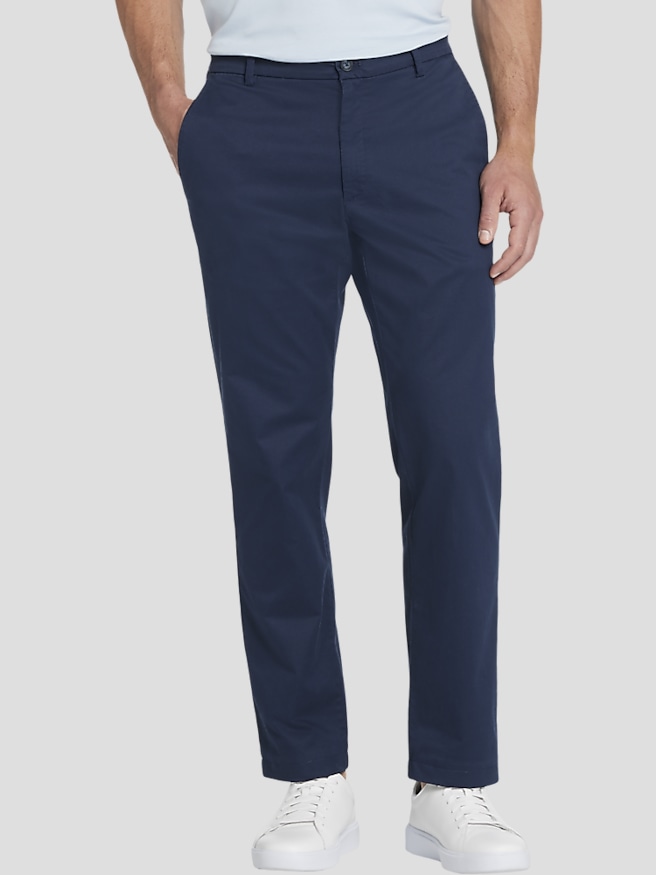
Men's breathable work pants combine a work-ready appearance with fabric that helps moisture vapor escape, making comfort less of a distraction through commutes, meetings, and hours spent moving between tasks. Breathability, moisture wicking, and quick drying are related qualities, but they describe different functions. Breathable fabric allows moisture vapor to pass through; moisture-wicking construction moves perspiration away from the skin; quick-drying material releases absorbed moisture relatively efficiently. A pair may offer one of these benefits without providing all three, so fabric composition and construction matter more than a performance label alone. Cotton can feel soft and allow air circulation, though it absorbs moisture and may take longer to dry than some synthetic fabrics. Polyester and nylon blends can support moisture management and resist abrasion, depending on how the fibers are woven and finished. A small amount of elastane adds stretch for sitting, reaching, and bending, but stretch by itself does not establish breathability. Fine wool and wool-blend trousers can provide a polished alternative for workplaces that call for a dressier appearance, with performance influenced by fabric weight, weave, and lining. Linen blends offer another breathable option when a more relaxed texture suits the dress code, though visible creasing is part of their character. An open weave generally permits more air movement than a tightly packed construction, while a substantial lining can change how the finished pants feel against the body. Fabric weight is also worth comparing across the Men's Lightweight Work Pants collection, since lightweight and breathable describe related but distinct qualities. A thin fabric is not automatically breathable, and a slightly more substantial fabric may offer a useful balance of airflow, coverage, and resilience. The best match depends on the demands of the workplace: desk time calls for comfortable seated wear, while an active shift adds repeated movement and more contact with surfaces.
Fit affects comfort just as much as fiber content. Breathable work pants need enough room through the seat and thighs for natural movement without excess fabric that catches, bunches, or looks untidy. A slim fit can create a clean line under an untucked knit polo or a tucked-in button-down, provided it does not pull across the pockets or restrict a full stride. Straight and classic fits offer more space through the leg and can feel less restrictive during long stretches of sitting or standing. Rise is another practical detail: a waistband that sits comfortably while standing should remain comfortable in a desk chair, behind the wheel, or while bending to reach a low shelf. Stretch waist construction can ease that transition, while belt loops help keep a tucked shirt and waistband looking orderly. A useful fit check is whether the pockets lie flat, the front closure stays smooth, and the fabric moves without straining at the seat or knees. Length matters, too. Excess fabric gathered over a shoe can look rumpled and interfere with movement, while a modest break keeps the hem neat. Intended use should shape the rest of the design. Flat-front trousers with discreet pockets suit offices, client visits, and business-casual settings; roomier pocket layouts may be more useful for service roles or hands-on tasks where small essentials need a secure place. Frequent kneeling, contact with rough surfaces, or carrying tools places greater demands on seams and fabric than ordinary office wear. Reinforced stitching, abrasion-resistant construction, and thoughtfully positioned pockets can help address those demands when specified in the garment details. Breathability alone does not make pants suitable for every job site. Workplaces with flame, electrical, machinery, or other hazards may require specific protective clothing, and everyday stretch or performance pants should never be treated as a substitute for that equipment.
Durability is not simply a matter of choosing the heaviest fabric. For breathable work pants, long-term usefulness comes from the relationship between material, construction, fit, and care. A densely reinforced pocket opening may stand up better to repeated use, while secure stitching at the seat and inseam helps support everyday movement. Enough room through the thighs reduces constant tension on those seams, and an appropriate hem length keeps the cuffs from dragging underfoot. Pocket habits make a difference as well: overfilled pockets can distort the silhouette and place unnecessary stress on the fabric. Care requirements deserve attention before a pair becomes part of a regular work rotation. Some cotton and performance blends can be machine washed, while certain wool trousers and structured styles require professional cleaning; the garment's care label is the reliable reference. When washing is permitted, following the recommended cycle and drying method helps protect shape, color, and stretch recovery. Excessive dryer heat can damage elastic fibers, and fabric softener may interfere with some moisture-management finishes. Prompt stain treatment, using a method appropriate for the material, can help keep small marks from becoming permanent. Rotating between pairs also gives each garment time to air out and recover between wears. For everyday dressing, navy, charcoal, black, and understated earth tones work with a broad range of shirts and shoes without requiring a complicated outfit. A smooth, tailored pair can sit comfortably beside an oxford shirt and loafers, while a more textured pair works naturally with a knit polo and clean, workplace-appropriate footwear. For someone starting a new role, returning to an office routine, or replacing uncomfortable daily trousers, breathable work pants can also be a practical gift when the recipient's size, fit preferences, and dress code are known. Their appeal comes down to consistent, usable comfort: fabric that manages the demands of the day, a cut that allows movement, and an appearance that stays appropriate from the first meeting to the final task.