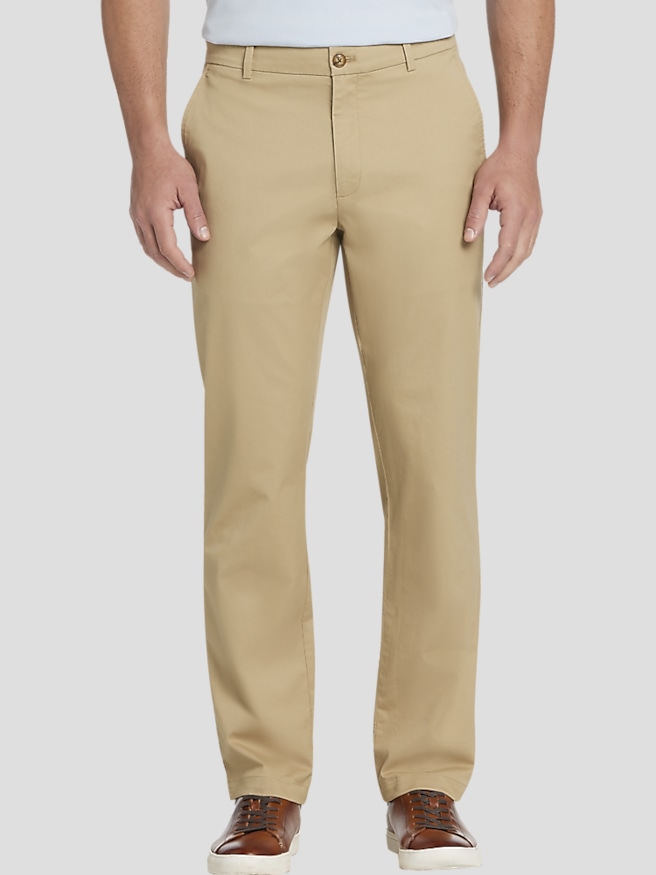
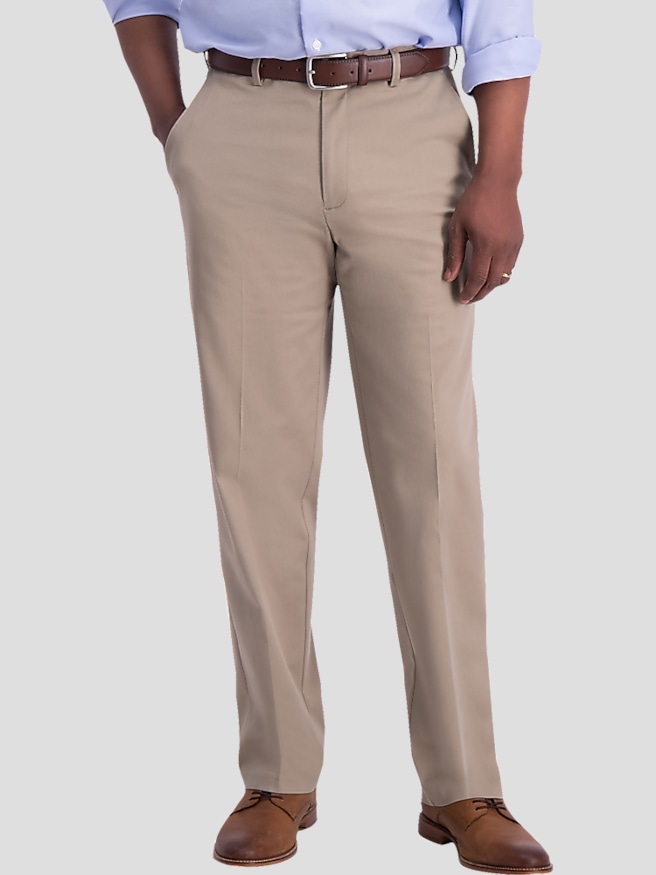
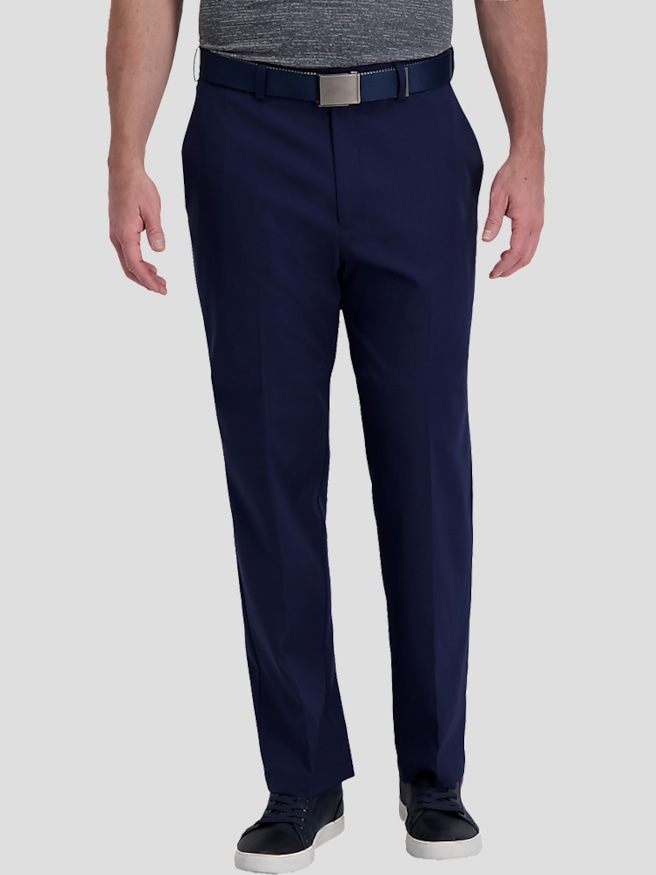
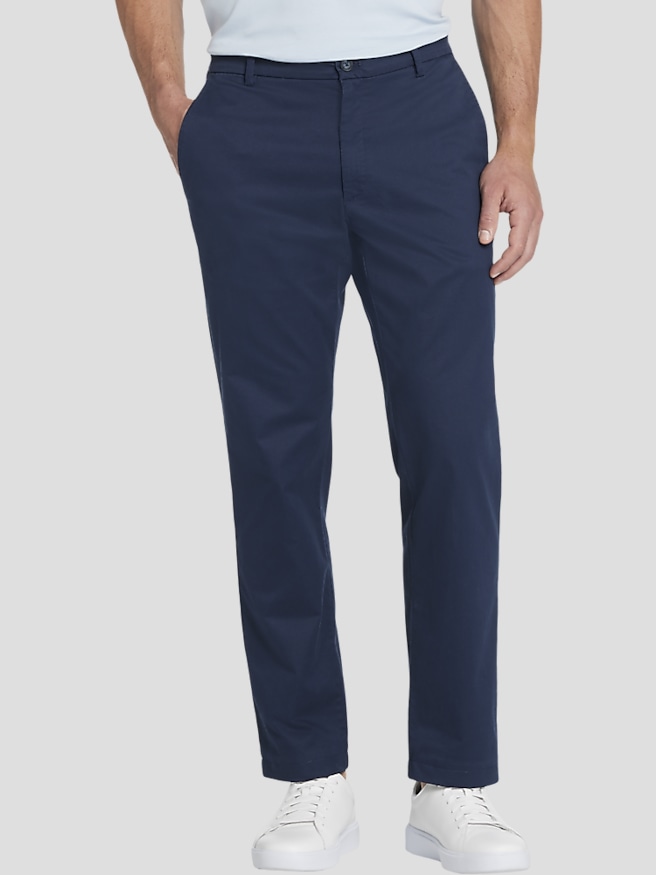
Men’s breathable pants are trousers made with fabrics and construction that allow air and moisture vapor to pass through, helping support comfort during everyday movement. Cotton, linen, selected blends, and performance fabrics can all serve that purpose, but fiber content is only part of the story. The weight of the cloth, the openness of its weave, the lining, and the fit also affect how a pair feels through a full day. A lightweight cotton twill may offer a familiar, soft feel with enough structure for neat-looking chinos, while linen has a textured surface and a relaxed drape that naturally develops creases. Cotton-linen blends can balance those qualities, although the result depends on the proportions and construction. Technical fabrics may combine a smooth finish with stretch, moisture management, or quicker drying, making them practical for commuting, travel, and schedules that involve plenty of walking. Those features are not interchangeable: breathable fabric allows air or moisture vapor to move through it, while moisture-wicking fabric helps move perspiration away from the skin. A fabric can offer one benefit without delivering the other to the same degree. Similarly, a thin fabric is not automatically breathable if it has a dense weave, a coating, or a lining that limits airflow. For everyday trousers, the goal is a balance of ventilation, coverage, and enough substance to hang cleanly rather than cling. Fabric texture contributes to the finished look as well. A subtle twill or fine plain weave can feel at home with a tucked-in shirt, while a more pronounced linen texture suits relaxed combinations. Men’s breathable pants can therefore range from casual chinos to polished dress trousers, with the best match depending on the setting and the feel the wearer prefers. Someone who spends much of the day seated may value soft fabric and an easy drape, while someone moving between appointments may put more emphasis on stretch and shape retention. Breathability works best as part of that larger picture, not as a substitute for a comfortable cut or appropriate construction.
Fit gives breathable fabric the room it needs to work. Pants that pull tightly across the seat or thighs can restrict movement and hold cloth close to the body, even when the material itself is light. A comfortable waistband should stay in place without digging in when seated, and the rise should allow the trousers to settle naturally rather than tugging at the front or back. Slim fits can still feel easy when the cut leaves sufficient space through the thigh and knee; straight and more relaxed silhouettes offer another option for anyone who prefers less contact with the fabric. Stretch can make bending, taking stairs, and settling into a desk chair more comfortable, but it does not replace the need for the right size. Pocket placement and construction matter, too. Front pockets that flare open or pocket bags that bunch against the leg can interrupt an otherwise clean line. In dressier settings, a smooth front, a defined crease, and a restrained hem can help breathable trousers look polished with a button-down shirt, a knit polo, or a jacket. Explore Men's Breathable Work Pants with attention to the details that suit a typical workday, from comfortable seating through an afternoon presentation to an evening meal afterward. A fine-textured fabric and a tidy silhouette can bridge those situations without requiring an overly formal look. Casual settings leave more room for visible texture, softer drape, and an open-collar shirt. For travel, useful considerations include how the fabric recovers after sitting, whether pockets hold essentials comfortably, and how easily the trousers coordinate with the rest of a small wardrobe. Breathable everyday pants are not necessarily designed for demanding hikes or jobsite conditions, where abrasion resistance, protective features, or specialized construction may be more important. Intended use helps establish the right balance: trousers for a client meeting have a different job from pants worn for a long walk or a relaxed family gathering. Neutral shades such as navy, gray, khaki, and olive can make that balance easier to manage because they work with a broad range of shirts and layers.
Care and durability influence how well breathable pants hold up beyond the first few wears. The care label is the starting point because similar-looking fabrics can require different treatment. Some cotton and performance blends are machine washable, while certain dress fabrics, linings, or finishes call for professional cleaning. Washing with compatible colors, using the recommended cycle, and avoiding excessive dryer heat can help preserve fit and appearance when home laundering is permitted. Fabric softener can interfere with moisture-management finishes on some technical materials, so following the garment’s instructions matters more than treating every pair alike. Linen’s tendency to wrinkle is part of its character rather than proof of poor quality; a light press can create a sharper finish when needed, while a softer look suits casual wear. Cotton may also need pressing, especially around pocket openings and seams, and blended fabrics vary in how readily they release creases. Breathable does not mean wrinkle-free, shrink-resistant, or exceptionally tough, so those qualities deserve separate consideration. A very light cloth may feel comfortable but provide less resistance to repeated friction at the seat, inner thighs, or pocket edges than a more substantial fabric. Even stitching, secure pocket openings, and a stable waistband contribute to lasting wear, while allowing enough ease through high-movement areas reduces strain on seams. Hanging trousers neatly and giving them space between wears can help maintain their shape without unnecessary cleaning. For someone building an everyday wardrobe, it can be useful to distinguish between a pair meant to look crisp at a desk and one meant to feel relaxed on a day of errands. Breathable pants can also make a thoughtful gift for a graduate entering an office, a frequent traveler, or someone who values comfortable clothes with a polished appearance. Familiar waist and inseam measurements, along with a sense of the recipient’s preferred rise and leg shape, make that choice more personal. The most useful pair brings together comfortable fabric, dependable construction, and a fit that feels natural throughout the wearer’s routine.