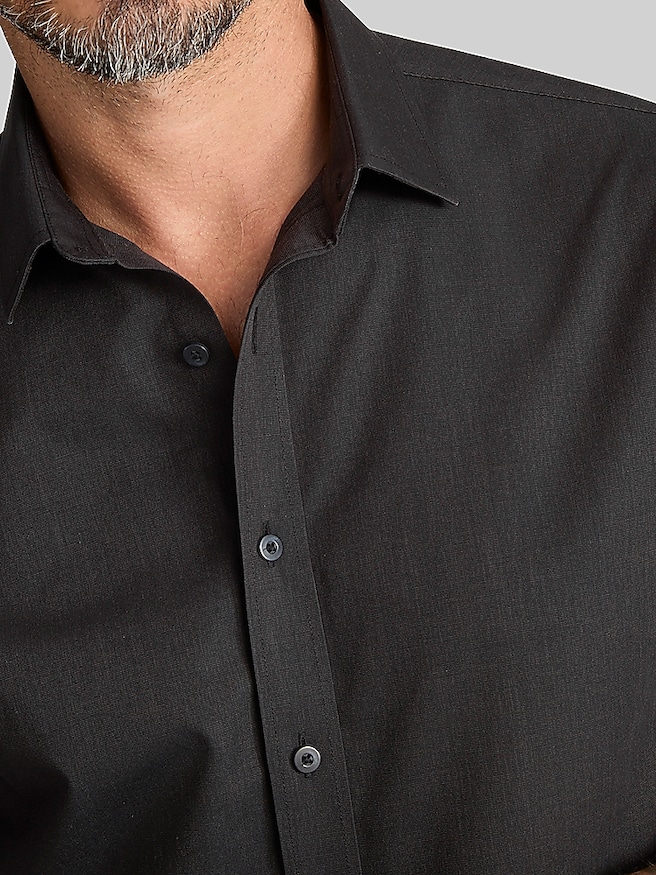
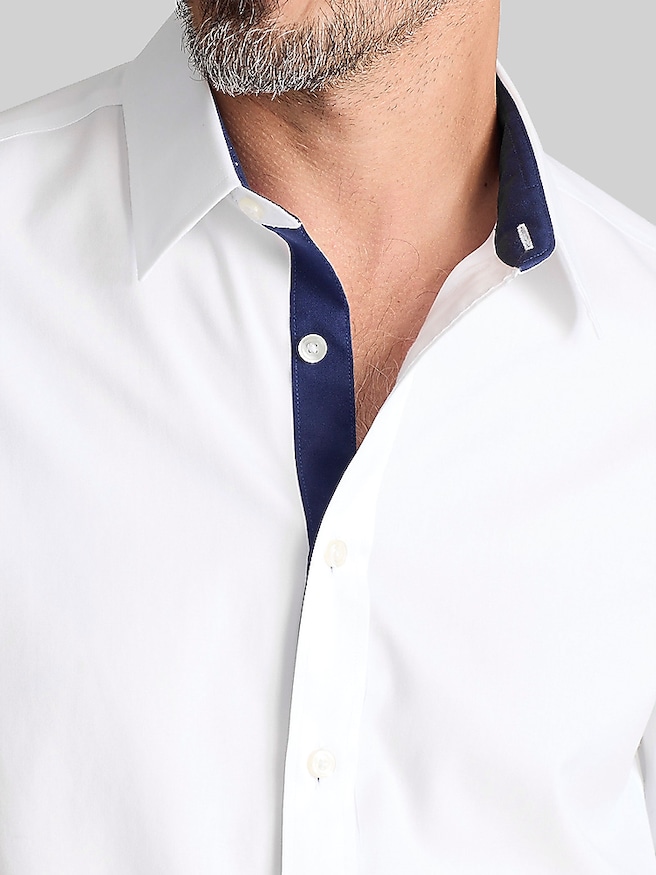
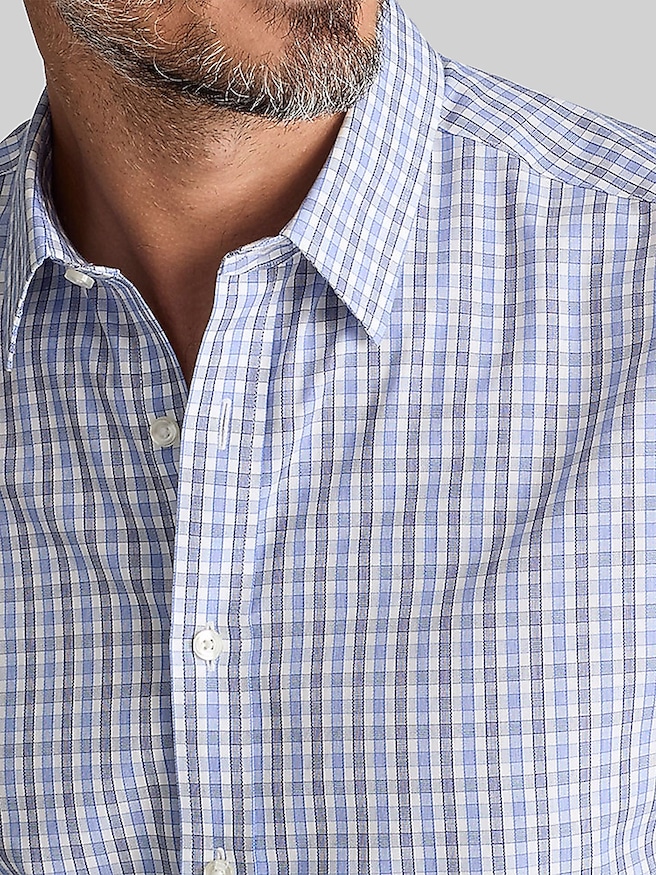
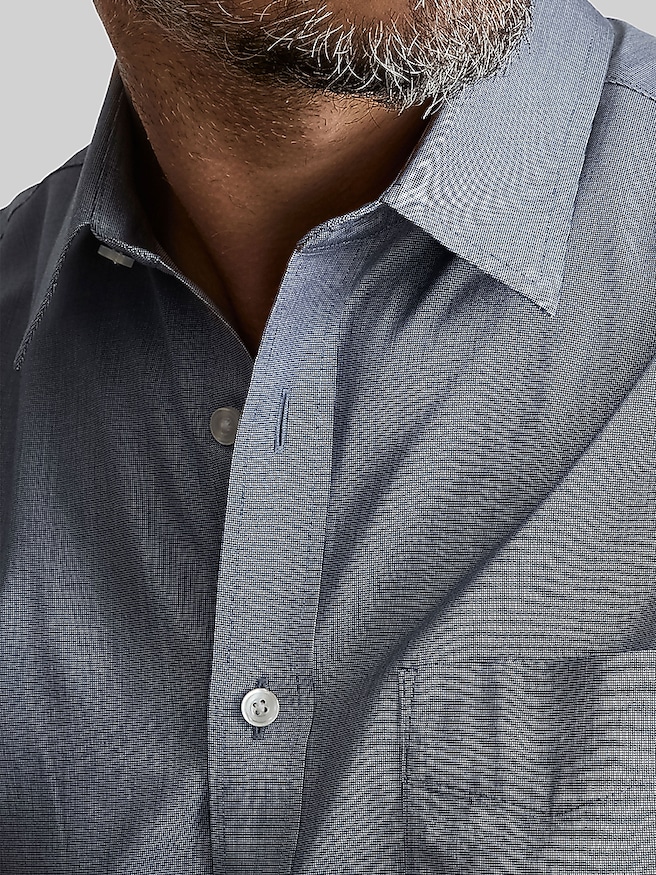
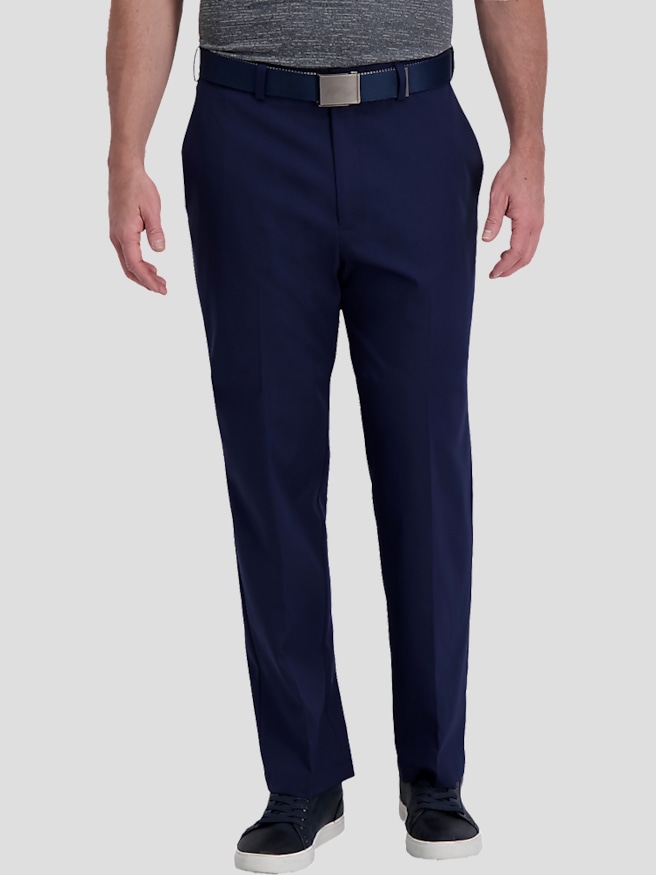
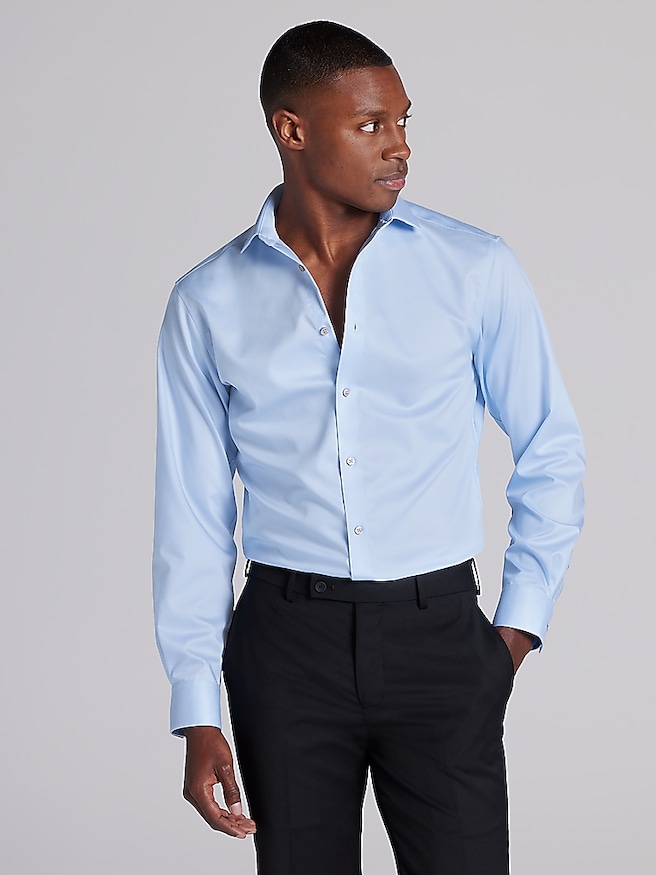
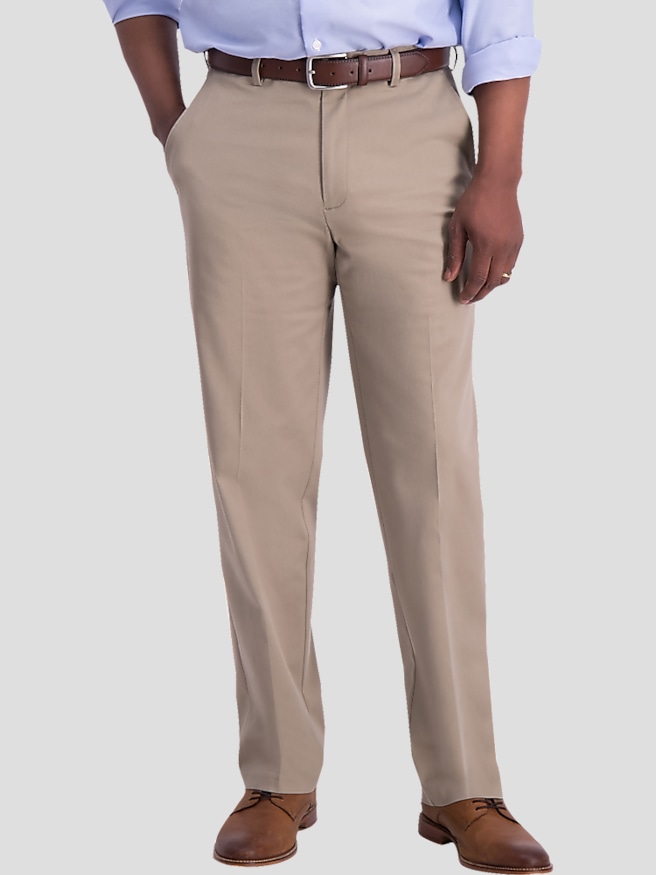
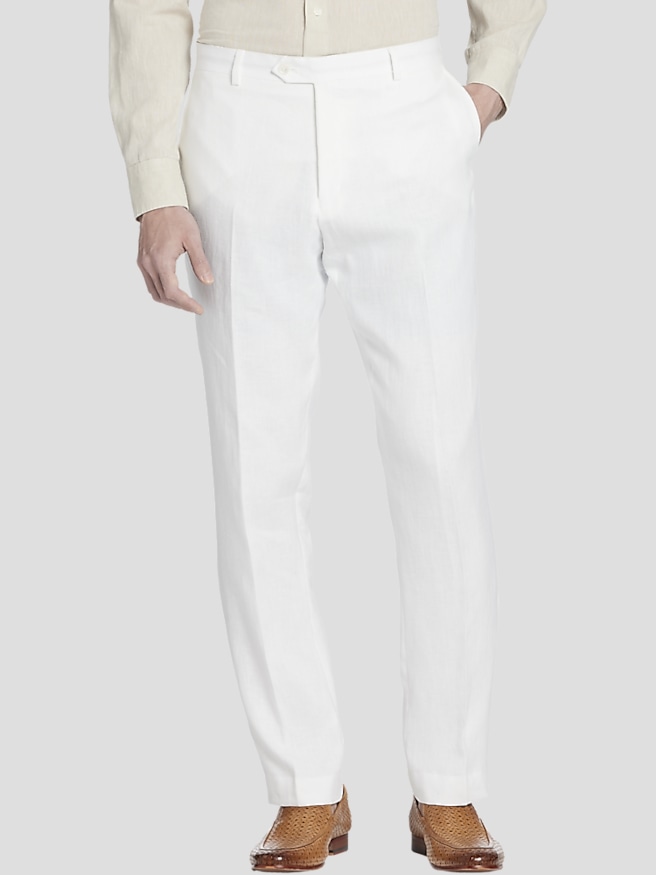
Men’s breathable fabric outfits bring together comfortable fabrics, considered construction, and shapes that leave room to move without looking oversized. Breathability describes how readily a fabric allows air and moisture vapor to pass through it; the fiber, weave, weight, finish, and lining all influence the result. Cotton, linen, lightweight wool, and thoughtfully engineered blends can each contribute to a breathable outfit, but a fiber name alone does not tell the whole story. A loosely woven cotton shirt may feel airier than a densely woven version, while fine wool trousers can feel surprisingly light despite wool’s association with heavier clothing. Linen has a crisp, textured hand and naturally absorbs moisture, with creases that become part of its relaxed character. Cotton offers familiar softness and works across casual shirts, polos, chinos, and dress shirts, though it can hold moisture longer than some performance fabrics. Seersucker’s puckered surface keeps portions of the cloth lifted away from the skin, creating a distinctive texture with less direct contact. Open-weave wool can provide airflow while maintaining the drape and shape expected of tailored clothing. Fine merino knits offer another option, absorbing moisture vapor within the fiber and feeling smooth when the yarn and construction are well suited to next-to-skin wear. Synthetic blends deserve a closer look at their construction rather than an automatic dismissal: some use yarns and finishes designed to move moisture across the fabric surface so it can evaporate. Moisture-wicking performance and breathability are related, but they are not interchangeable, and stretch alone does not establish either quality. A small amount of elastane may improve flexibility, while the surrounding fabric still determines much of the airflow. These distinctions make breathable clothing relevant to a full day of ordinary movement, from sitting through meetings to walking between appointments or spending several hours at a celebration. The strongest combinations balance a pleasing feel against the skin with the level of structure the occasion calls for.
A breathable outfit works as a complete combination, not simply as a lightweight shirt paired with everything else. Each layer adds material, so an undershirt, dress shirt, and jacket should be considered together. A smooth, close-fitting base layer can help prevent bunching, but one that feels compressive may undermine the easy movement of the layers above it. Through the shirt, a comfortable fit leaves space across the chest and upper back without pulling at the buttons when the arms reach forward. At the waist and seat, trousers should allow sitting and bending without strain; a clean line through the thigh does not require fabric to cling to the leg. Slim, tailored, and relaxed silhouettes can all belong in men’s breathable outfits when their proportions suit the wearer. Jacket construction matters just as much. An unlined or partially lined body reduces the number of fabric layers, although the outer cloth, internal structure, and remaining lining still affect how the garment feels. For an office setting, a textured cotton shirt, lightweight wool trousers, and a softly structured jacket create a polished combination that does not rely on heavy layers. A fine-gauge polo with chinos offers a more relaxed interpretation for a casual workplace, a museum visit, or dinner with friends. Linen-blend separates bring visible texture to social occasions, while a crisp shirt and well-draped trousers can look composed without requiring a jacket where the dress code permits. For a wedding guest, breathable tailoring still needs to respect the invitation’s level of formality; a relaxed fabric does not automatically suit every ceremony. Color and texture help these combinations feel intentional. Navy, gray, stone, and muted earth tones mix easily, while a subtly textured top can add interest against smoother trousers. The related Breathable Clothing For Men page offers another way to explore this fabric-focused approach to dressing. Across these settings, comfort comes from matching the entire outfit to the activity, the expected formality, and the wearer’s preferred silhouette rather than choosing by fabric weight alone.
Care and durability are equally important when breathable clothing becomes part of a regular rotation. Lightweight does not necessarily mean fragile, but fine yarns and open structures may need more thoughtful handling than dense everyday fabrics. Tightly packed seams, neat stitching, secure buttons, and reinforcement at stress points contribute to dependable wear, particularly around pockets, belt loops, and the seat of trousers. A little room at those points also reduces repeated strain. The care label remains the best starting point because a blend, lining, trim, or special finish can change how a garment should be cleaned. Washable cotton and linen may shrink or lose their shape if exposed to more heat than the label recommends, while some tailored wool garments require professional cleaning. Performance fabrics may carry instructions to avoid fabric softener, which can interfere with certain moisture-management finishes. Where machine washing is permitted, closing fasteners and keeping delicate fabrics away from rough hardware can help limit snags. Promptly removing garments after washing and drying them as directed can also make wrinkles easier to manage. Linen’s gentle creasing suits its natural character; a more sharply pressed appearance takes additional attention and should follow the garment’s recommended ironing settings. Structured jackets benefit from shaped hangers that support their shoulders, and many knits keep their shape better folded than suspended. Allowing clothing to dry fully before storage helps maintain freshness, while checking care instructions before stain treatment can prevent an isolated mark from becoming lasting damage. These practical details matter for commuters, frequent travelers, professionals who alternate between desk work and appointments, and anyone who prefers clothing that moves easily through a busy day. Travel brings its own trade-offs: a textured fabric can make minor creases less noticeable, but an airy weave is not necessarily wrinkle-resistant. As a gift, breathable apparel is most personal when the choice reflects familiar habits, such as a preference for soft polos, crisp shirts, or trousers with a little stretch. Accurate measurements and known care preferences are more useful than guessing from a usual size alone. The lasting appeal is straightforward: clothing that feels comfortable, looks appropriate, and fits naturally into the way someone actually gets dressed.