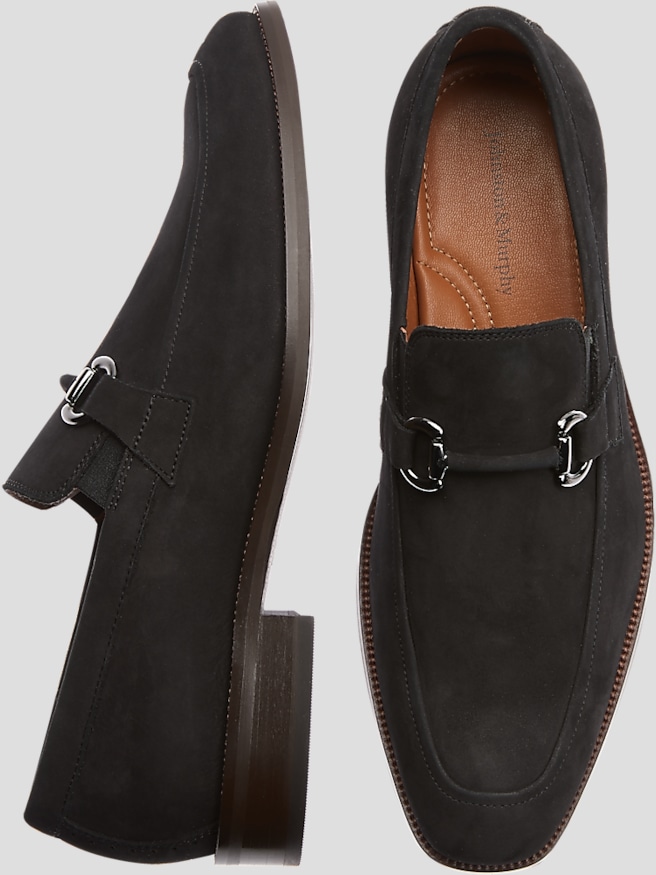
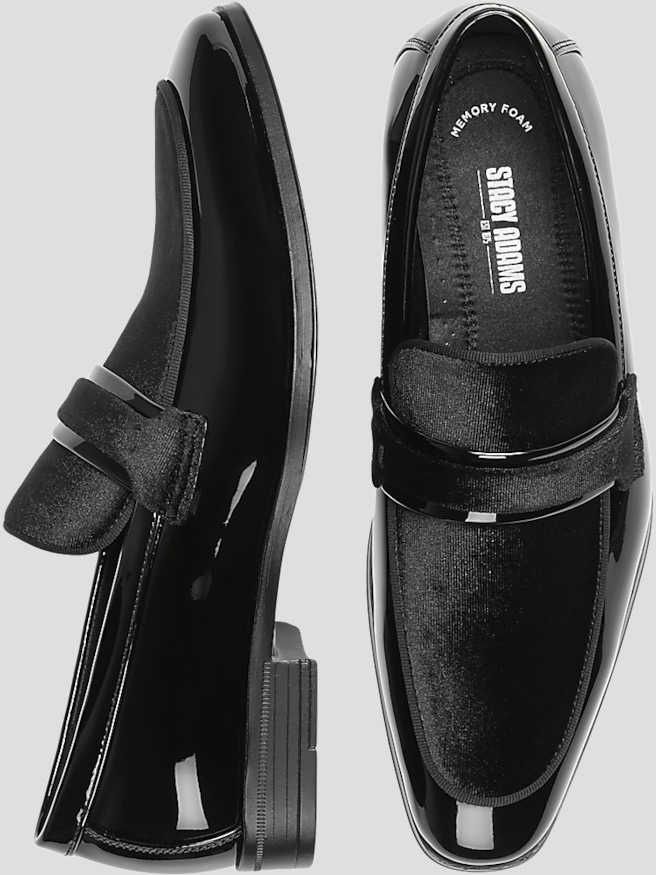
Men's blue loafers bring color to everyday dressing without the sharp contrast of black shoes or the familiar warmth of brown. The category spans penny loafers, tassel loafers, streamlined slip-ons, and driving styles, with shades ranging from deep navy to brighter royal blue and soft powder blue. Navy blue loafers are especially versatile: they sit comfortably beneath gray dress pants, stone chinos, dark jeans, or off-white trousers, adding depth without dominating the outfit. Lighter blues make a more noticeable statement and tend to look relaxed alongside beige cotton pants or a simple white shirt. The silhouette matters as much as the shade. A penny loafer, distinguished by a strap across the instep, has a restrained appearance that works with both tailored and casual clothing. Tassels add movement and a slightly more decorative finish, while a driving loafer's flexible shape and typically pebbled sole suggest a less structured outfit. A low-profile loafer with minimal ornamentation can look particularly clean beneath trousers with a gentle taper. For an office that allows business-casual dressing, navy leather loafers with charcoal pants and a pale blue button-down create a composed combination that does not depend on a matching jacket. For dinner, blue suede loafers can soften the look of a blazer and dark denim. Velvet offers richer texture for celebrations and dressier evening settings, although the invitation's dress code should always take priority, especially for events with strict formal requirements. Blue shoes do not need an exact blue match elsewhere in the outfit; neutral clothing often gives the color enough room to stand on its own. A patterned shirt with a small blue detail can provide a subtle connection without making the whole outfit feel coordinated to excess. The appeal of Blue Loafers for Men lies in that balance: recognizable, easy-to-style footwear with enough variation in color, texture, and shape to express individual taste.
Material influences how blue loafers look, feel, and hold up to regular use. Smooth leather generally creates a more defined appearance, making it a natural companion to pressed trousers and tailored separates. Its surface can develop creases with wear, and appropriate conditioning helps preserve flexibility rather than preventing every sign of use. Suede has a soft nap that gives blue shades depth; navy suede may appear darker or lighter as the fibers catch the light. That texture makes it particularly effective with cotton chinos, textured jackets, and denim. Velvet has a plush surface and a distinctive sheen, giving a simple slip-on shape a more occasion-focused character. Synthetic uppers vary in finish and performance, so the material description and care directions matter more than appearance alone. Underfoot, a leather sole can create a sleek profile, while rubber may offer more cushioning or traction, depending on its construction and tread. Thin driving soles favor flexibility and an easy feel, but they are not necessarily the best match for a day that involves extensive walking on hard pavement. Durability also depends on stitching, sole attachment, lining quality, and how often the shoes are worn. A substantial sole is useful only if the overall shape still suits the wearer's foot and routine. Because loafers lack laces, fit across the instep and heel deserves particular attention. The foot should feel secure without pressure over the top, and the toes should have room to rest naturally rather than pressing against the front. A little heel movement can occur with some new loafers, but repeated slipping or gripping with the toes suggests a poor fit. Leather may soften and conform with wear; it should not be expected to correct a shoe that is too short or painfully tight. Trying loafers with the socks intended for everyday wear gives a more useful sense of fit than judging them with unusually thick or thin socks. Width, toe shape, and instep height can make two loafers in the same marked size feel noticeably different.
The finishing details help blue loafers feel like a deliberate part of an outfit rather than an afterthought. Dress socks in navy, charcoal, or a restrained pattern maintain a continuous line between the shoe and trouser, especially when seated. No-show socks can create a bare-ankle appearance with casual pants while providing a layer between the foot and lining; a secure heel grip helps keep them from sliding beneath the foot. Trouser length also changes the effect. A clean hem with little excess fabric lets the loafer's shape remain visible, whereas heavy bunching can overwhelm a sleek shoe. Belts do not need to match blue footwear exactly, but their texture and level of formality should make sense alongside it. Care is similarly material-specific. Smooth leather benefits from gentle cleaning, suitable conditioner, and polish chosen carefully for the shade; testing any treatment in an inconspicuous area helps avoid an unwanted color change. Suede calls for a brush designed for its nap and cleaning products intended for suede rather than ordinary leather cream. Velvet needs light handling and care that avoids crushing or soaking the pile. Protective treatments should be used only when the manufacturer recommends them for the upper material. Allowing shoes to dry naturally, away from direct heat, helps protect their shape and finish, while shoe trees can support the uppers between wears. Rotating footwear gives the lining time to air out and reduces the strain of repeated daily use. For gifting, blue loafers suit someone who already enjoys polished casual clothing, wears tailored separates, or wants a distinctive alternative to familiar neutral shoes. Knowing the recipient's usual loafer size, preferred width, and favored silhouette is more helpful than relying on sneaker size alone. Whether worn for office hours, a dinner reservation, a celebration, or an unhurried weekend outing, the strongest choice combines a useful shade of blue with an appropriate material, a secure fit, and construction suited to the way the shoes will actually be worn.