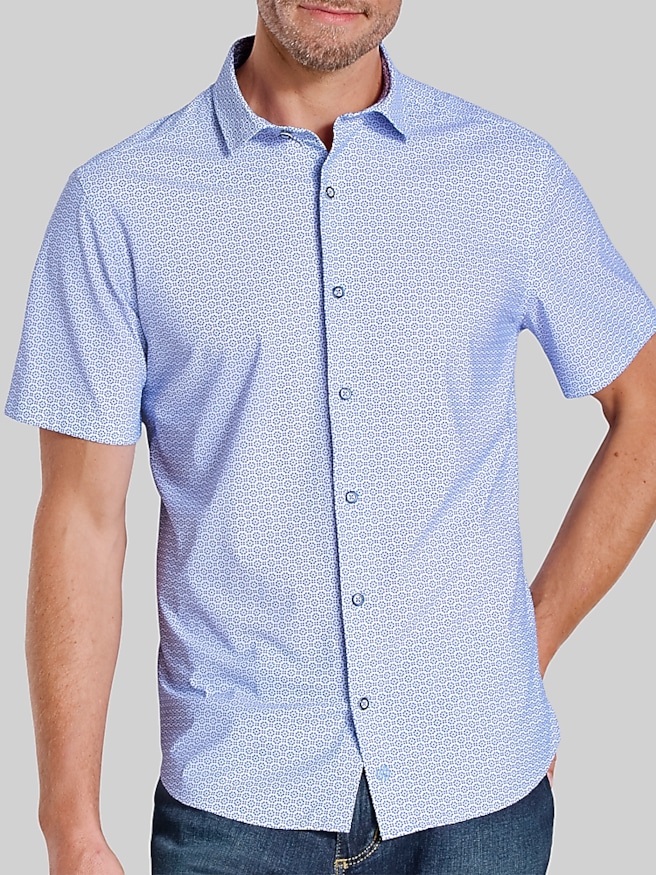
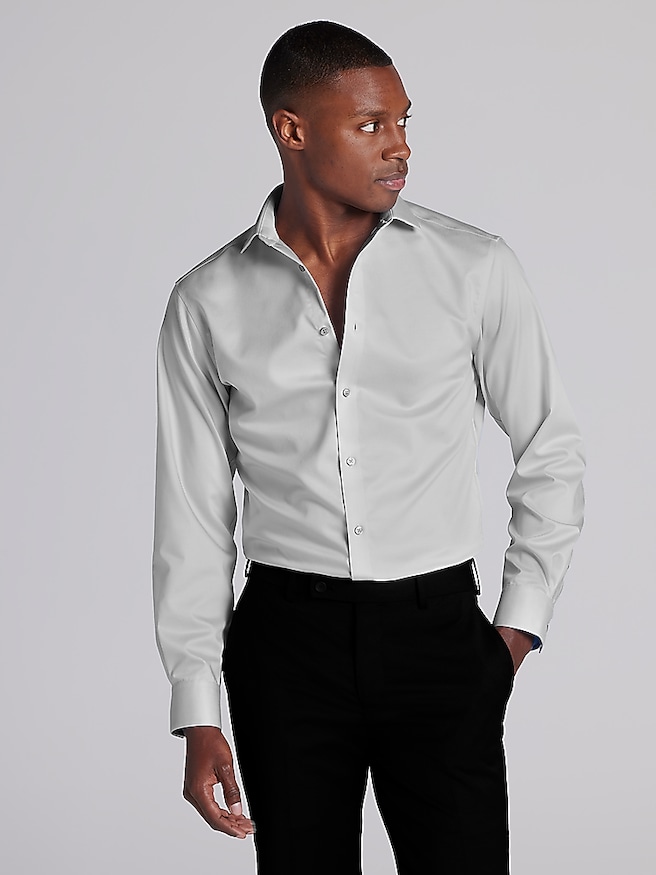
Men’s blue clothing spans the full range of everyday dressing, from soft T-shirts and relaxed denim to crisp dress shirts, tailored trousers, and navy suits. Its versatility starts with color: pale blue brings a light, clean contrast to dark pants, medium blue adds definition without overwhelming an outfit, and deep navy provides a polished foundation for business and social occasions. A blue wardrobe can feel understated or expressive depending on the shade, fabric, and proportions. A smooth navy suit with a white shirt reads distinctly formal, while a washed blue cotton shirt with khaki chinos feels comfortable and approachable. For an office with a business casual dress code, blue trousers and a subtly patterned shirt strike a useful balance between tailored and relaxed. At a dinner or celebration, a textured blue jacket can give a simple shirt and pants combination more presence without requiring a full suit. Blue also works naturally with gray, beige, cream, brown, and white, making it easy to build outfits around familiar wardrobe staples. Black can provide a sharp contrast, too, particularly when the blue is clearly distinguishable in depth or texture. Tonal combinations offer another option: a light blue shirt against navy trousers creates separation while keeping the palette cohesive. When two blue fabrics sit close together, a noticeable difference in shade or weave usually looks more intentional than a near match. Fine stripes, small checks, and subtle woven patterns introduce detail without taking attention away from the overall silhouette. For casual plans, men's blue short sleeve shirts fit comfortably into combinations with chinos, jeans, or tailored shorts. The appeal across these categories is practical as much as visual. Blue can support a straightforward daily uniform, anchor a more varied wardrobe, or bring a touch of color to someone who usually chooses neutrals. The same broad color family accommodates a first office wardrobe, established professional dressing, and easygoing outfits for time away from work.
Fabric and construction shape how blue clothing looks, moves, and holds up to repeated wear. Cotton jersey has the softness and flexibility associated with casual T-shirts, while woven cotton shirts can range from smooth, fine-textured poplin to more substantial Oxford cloth. Chambray offers a denim-like appearance with a lighter structure, although the actual weight varies by fabric. Denim has a more pronounced texture and often develops visible character through wear, with fading influenced by its dye, finish, and care. In tailored clothing, wool can provide a clean drape and natural resilience, helping trousers and jackets maintain their shape between wearings. Blends may combine that structure with added stretch or easier maintenance, but the fiber percentages and care label matter more than a broad fabric name alone. Stretch can make sitting, reaching, and walking more comfortable; it should complement a good fit rather than compensate for clothing that is too tight. Across blue shirts, jackets, and pants, fit determines whether the finished outfit feels relaxed, streamlined, or restrictive. A tailored jacket should sit cleanly at the shoulders, with lapels that lie flat and a front that closes without pronounced pulling. A shirt needs enough room through the chest and upper back to reach forward comfortably, while its collar should fasten without pressing tightly against the neck. For trousers, the waistband should stay in place without digging in, and the seat and thighs should allow comfortable movement when seated. Slim, straight, and more relaxed cuts describe proportions, not levels of polish; each can look refined when it suits the wearer. Hem length also changes the impression, from a clean line above the shoe to a slight break across it. These details become especially noticeable in an outfit built around one color family, where drape and texture carry more visual weight. For a long presentation, a seated dinner, or a day with frequent movement, clothing that hangs naturally and allows ordinary gestures tends to look better than a fit that requires constant adjustment.
Care helps preserve both the appearance and usefulness of men’s blue clothing, especially when deep shades and pale tones share the same wardrobe. The garment’s care label is the starting point because similar-looking fabrics can require very different treatment. For washable clothing, sorting by color, using an appropriate detergent, and following the recommended water temperature can help limit unwanted dye transfer and fading. Turning dark blue garments inside out before washing may reduce surface abrasion, while avoiding unnecessary dryer heat can help protect fibers, finishes, and fit. New dark denim deserves particular attention because some indigo dye can transfer to light upholstery, shoes, or other clothing. Tailored jackets and trousers may require professional cleaning; between cleanings, gentle brushing where suitable and proper hanging help keep them presentable. Shaped hangers support jacket shoulders, and folding knitwear rather than suspending it can help prevent stretching. Prompt attention to a loose button, an opening seam, or a worn hem can extend a garment’s useful life before a small issue becomes more difficult to repair. Durability also depends on matching the fabric to its purpose: sturdy denim suits frequent casual wear, while finely woven dress fabrics benefit from more careful handling. For people who repeat a few favorite outfits, allowing clothing a rest between wears and keeping an alternate combination ready can reduce concentrated wear. Blue clothing can also make a thoughtful gift for a father, brother, partner, friend, or recent graduate, particularly when the shade and silhouette reflect what that person already enjoys wearing. Shirts and knitwear generally involve fewer tailoring decisions than a suit, though accurate measurements and known fit preferences remain important. A soft blue casual shirt may suit someone whose weekends revolve around lunch with friends, while a refined navy layer may fit a more dressed-up routine. Across these uses, the strongest choices bring color, comfort, and proportion together, creating clothing that feels familiar enough for regular wear and considered enough for occasions that call for extra polish.