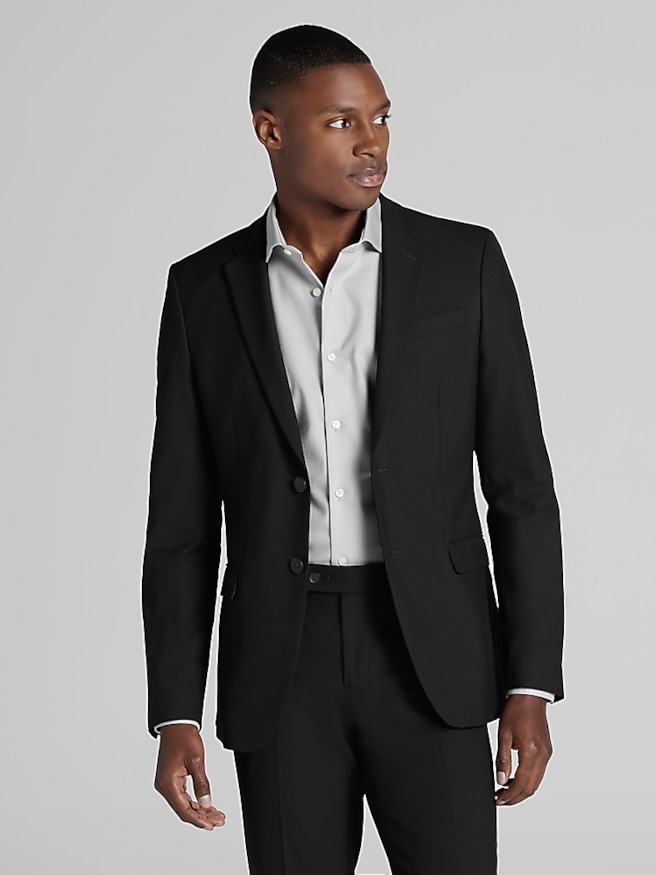
A men’s black tie suit brings a defined sense of occasion to formal evening dressing, with clean lines, coordinated details, and a silhouette designed to look composed from the first greeting to the final photograph. In traditional dress-code terms, black tie calls for a tuxedo rather than an ordinary business suit: the distinction lies in details such as satin or grosgrain lapel facings, formal trousers, and a bow tie. A dark suit can be appropriate for some black-tie-optional invitations, but it does not carry the same formal character as a tuxedo when the invitation specifies black tie. That distinction makes this category especially relevant for wedding guests, grooms, gala attendees, and anyone attending an awards ceremony or formal evening celebration. Black remains the classic choice, creating a consistent visual line that lets the cut and fabric take center stage. Midnight blue is another established eveningwear color, with a richness that can appear nearly black under artificial light. Peak lapels give the jacket a sharply defined outline, while a shawl collar creates a smooth, rounded frame around the shirt and bow tie. Both are recognized formal options, each bringing a distinct character without requiring elaborate decoration. A single-breasted jacket has a restrained appearance, while a double-breasted style adds overlap and a more structured front. The overall effect depends less on ornament than on proportion: the width of the lapel, the opening of the jacket, and the shape of the trousers should feel connected. For someone dressing for a first major formal event, a classic silhouette offers a familiar starting point. For someone whose calendar includes recurring formal functions, a thoughtfully chosen tuxedo can become a dependable part of an occasion wardrobe. Its purpose is specific, but its appeal lasts beyond a single invitation, particularly when the design emphasizes balanced tailoring rather than conspicuous details.
Fabric and fit account for much of the difference between formal clothing that merely looks correct and clothing that feels comfortable through a full evening. Wool is a traditional suiting material because its natural resilience supports a clean drape and helps the cloth recover from ordinary creasing. Fine wool can have a smooth surface that works well alongside the subtle sheen of formal lapel facings. Wool blends may combine that appearance with other properties, while fabrics containing a small amount of stretch can offer added flexibility. Fiber content alone does not tell the whole story; the weave, fabric weight, lining, and jacket construction also influence how the garment hangs and moves. A softly draping cloth creates a distinct impression from one with a firmer hand, even in the same color. Fit begins at the shoulders, where the jacket should follow the body without extending conspicuously beyond it or pulling across the upper back. The lapels should rest against the chest, and a fastened jacket should close without strong horizontal tension lines. Sleeve length works best when it leaves a modest glimpse of shirt cuff, with enough room for the arms to move comfortably. Slim silhouettes sit closer through the torso and legs, while more traditional cuts provide additional ease; neither should restrict a seated meal or make reaching for a handshake uncomfortable. Trouser rise matters just as much as leg shape, especially when the jacket is open or the wearer sits down. A waistband that stays comfortably in place supports a continuous line between shirt and trousers. Formal trousers often have a matching side stripe and are typically finished without cuffs, keeping the leg clean and understated. Hem length should complement the shoes rather than gather heavily around them. For a groom standing through a ceremony and later moving across a dance floor, those proportions have practical value. Careful alterations can refine sleeve length, trouser length, and the jacket waist, although starting with a sound shoulder fit is important because not every construction detail is easy to change.
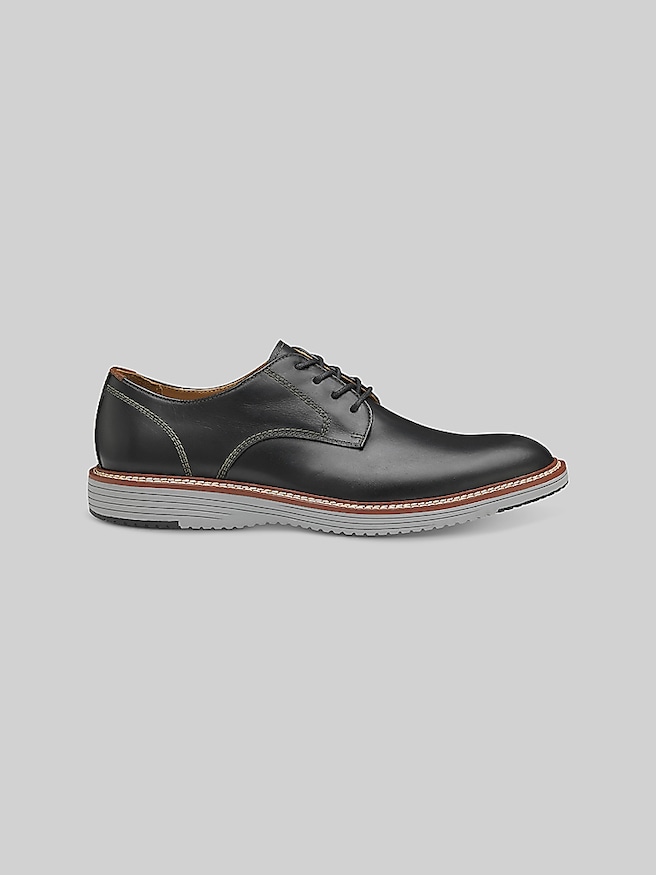
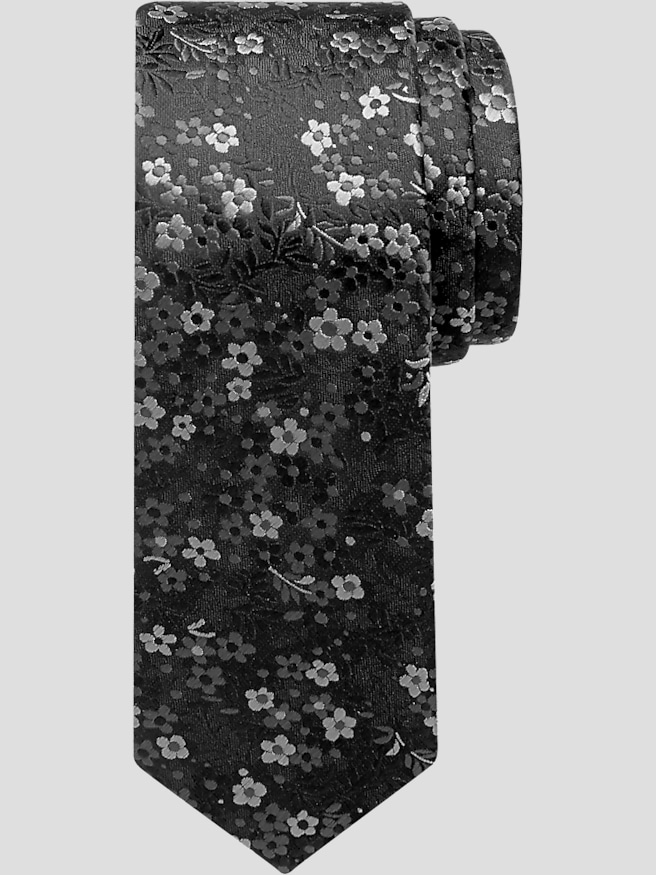
The supporting pieces complete a black tie outfit without competing with the tailoring. A white formal shirt provides a crisp contrast against a dark jacket, with a front and collar designed to work with eveningwear. Pleated and textured bib fronts offer traditional detail, while a restrained plain front can create a quieter effect when appropriately styled. A turndown collar frames a bow tie neatly, and French cuffs allow cuff links to add a small personal accent. A black bow tie remains the customary choice for traditional black tie, with a self-tied shape offering subtle irregularity rather than a perfectly fixed outline. With a single-breasted tuxedo, a cummerbund or formal waistcoat can cover the waistband and help keep the shirt from interrupting the dark line of the outfit. A double-breasted jacket is generally worn fastened and does not usually require either layer. Footwear should carry the same degree of polish: Men's Black Tie Shoes complement formal tailoring through sleek shapes and refined finishes. Patent leather is a traditional option, while highly polished smooth leather can also suit the occasion. Dark socks long enough to cover the leg when seated preserve the visual continuity of the trousers. A neatly folded white pocket square provides contrast without making the outfit feel busy. For repeat wear, thoughtful care helps protect both the fabric and the structure. The garment’s care label should govern cleaning, particularly where contrasting facings, linings, and multiple materials are involved. Prompt attention to marks helps prevent them from becoming harder to address, and a professional cleaner experienced with formalwear can assess delicate finishes. Between occasions, gentle brushing where suitable, airing before storage, and a broad, shaped hanger help maintain the jacket’s appearance. Trousers benefit from hanging neatly along their crease, and breathable storage helps protect the outfit from dust without trapping moisture. Excessive heat or direct pressing can damage some formal facings, so pressing methods should match the material. Durable eveningwear depends on sound construction, appropriate fit, and consistent care together. For someone receiving formal clothing as a milestone gift, access to accurate measurements and a fitting makes the gesture more useful, turning an occasion piece into something that feels genuinely personal.