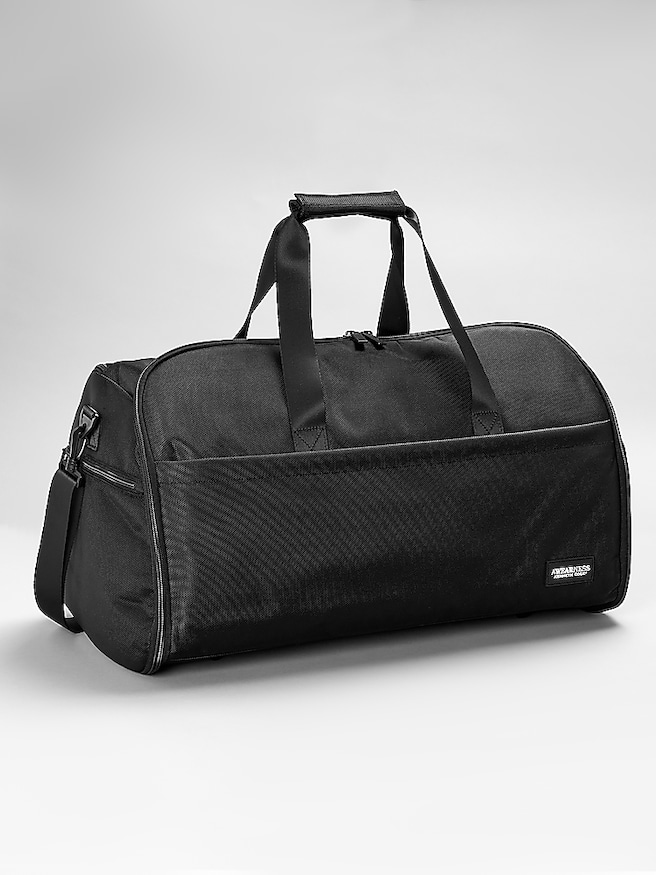
Men’s black backpacks bring a practical, understated finish to everyday dressing, with enough versatility to move from a morning commute to an afternoon meeting or a weekend away. Black works naturally with charcoal tailoring, navy trousers, denim, and casual layers, making a backpack easy to coordinate without matching every detail of an outfit. Its appeal comes partly from that simplicity: a clean silhouette keeps the focus on the overall look, while the bag handles the less visible work of carrying a laptop, documents, and daily essentials. Within the broader category of Men's Backpacks, black offers a particularly adaptable foundation for both professional and casual routines. The finish and shape still make a difference. A smooth exterior with discreet hardware can sit comfortably alongside a blazer and dress shoes, while textured fabric and a softer profile feel relaxed with a polo and sneakers. Neither approach needs elaborate detailing to look considered. Proportions often matter more than decoration: a compact bag can maintain a neat outline on a crowded train, while a deeper design makes sense for someone carrying lunch, a notebook, and an extra layer along with work equipment. For an office setting, restrained logos, tidy zipper pulls, and a shape that holds together when partially filled help create a polished impression. For campus life or shared workspaces, quick access and comfortable carrying may take priority. Black also provides a consistent backdrop for contrasting textures, from pebbled leather to tightly woven fabric, so a bag can have visual depth without a bold pattern. A backpack does not need to disappear into an outfit, but it should feel connected to the way its wearer moves through the day. A streamlined profile can look intentional at a desk, beside a meeting-room chair, or carried by the top handle through a lobby.
Materials and construction shape how a black backpack feels, wears, and holds its form over time. Leather can offer a substantial hand and a surface that develops character with use, though its weight and care needs depend on the hide and finish. Nylon and polyester fabrics can provide a lighter feel, with performance influenced by the weave, backing, and overall construction rather than the material name alone. Canvas has a more casual texture and may soften as it is used. A coated surface can have a crisp, uniform appearance, but cleaning methods should always match the material. Black finishes vary, too: matte fabric creates a quieter effect, while a subtle sheen makes contours and seams more noticeable. Close attention to stress points is worthwhile because shoulder-strap attachments, the top handle, and the base take repeated pressure. Even stitching, neatly finished edges, and zippers that travel smoothly around corners are useful signs of thoughtful construction. Hardware should feel appropriate to the bag’s size rather than adding unnecessary bulk. Comfort depends on more than padding. Shoulder straps need enough adjustment to position the load close to the back, and their shape should allow natural arm movement without rubbing at the neck. A backpack that hangs too low or pulls away from the body can feel awkward even when it is not especially heavy. The bag’s empty weight also counts toward the total carried each day. For someone walking several blocks between transit and the office, a lighter construction may matter more than extra compartments. Laptop protection deserves particular attention: the device’s actual dimensions, including any case, should fit within the sleeve’s measurements. A sleeve that keeps the computer from resting directly against the bottom can help reduce contact with hard surfaces when the bag is set down, although padding is not a guarantee against damage. Capacity is most useful when it reflects a normal day’s load, not every possible occasion.
Interior organization can make the difference between a backpack that simply carries belongings and one that makes a busy day easier. A main compartment with a clear opening helps keep folders flat and gives a better view of what is inside. Smaller pockets can separate a charging cable from keys, while a secure compartment can keep a wallet from slipping to the bottom. Too many pockets, however, can turn a familiar routine into a search, especially when several compartments look alike. An arrangement works well when frequently used belongings have consistent places and larger objects do not crowd delicate ones. A lighter lining can make dark accessories easier to spot, and a top handle provides a convenient alternative when moving through tight spaces or taking a seat. For travel, a backpack can keep documents, headphones, and a book close at hand, but its dimensions still need to meet the requirements of the carrier and the intended storage space. Daily care helps preserve both appearance and function. Emptying the bag regularly removes crumbs and grit that can collect in seams, and a soft brush or cloth can lift surface dust before it becomes embedded. Black fabric may disguise some marks, but lint and pale residue can remain visible. Spot cleaning should follow the care label, with any cleaner tested first on an inconspicuous area. Leather may need a compatible conditioner, while fabric or coated materials may require a different approach; machine washing should never be assumed safe. Letting the bag dry fully before storage and avoiding prolonged compression can help maintain its shape. A black backpack also makes a thoughtful gift for a graduate starting a first job, a frequent traveler, or someone whose daily carry has outgrown a briefcase or shoulder bag. The most personal consideration is often practical: whether the recipient carries a computer, prefers minimal organization, or spends much of the day on foot. A well-matched backpack becomes part of that routine, bringing useful space and a composed finish without demanding extra attention.