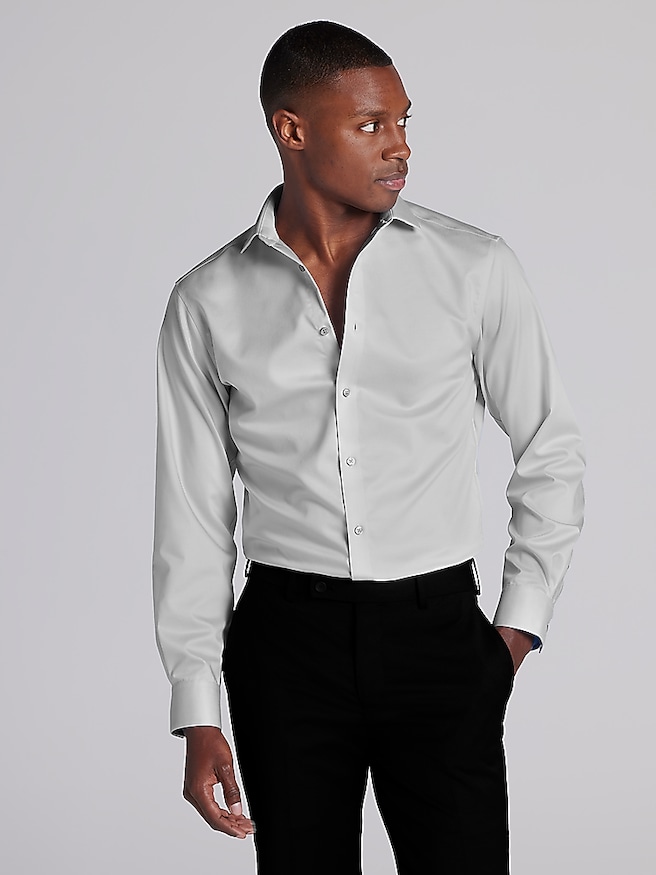
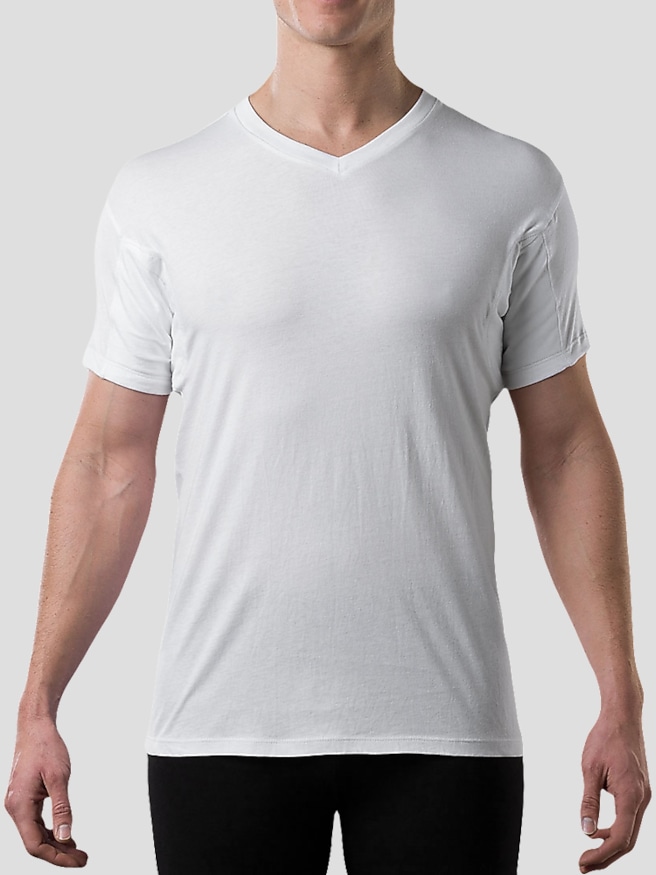
Men’s 3X shirts bring everyday comfort and a well-proportioned look to a wardrobe built around work, downtime, and occasions that call for a little extra polish. The size is commonly labeled 3XL or XXXL, though those labels do not guarantee identical measurements across makers or shirt styles. Chest room, shoulder width, sleeve shape, and body length all contribute to how a shirt actually feels once it is on. When browsing 3XL Shirts, comparing a style’s measurements with a shirt that already fits comfortably provides a more useful reference than the size label alone. A comfortable fit generally allows the fabric to fall smoothly over the chest and midsection without pulling at the buttons or collecting in heavy folds around the waist. Shoulder seams should sit close to the natural shoulder, while sleeves should leave enough room to reach forward, sit at a desk, or carry a bag without restriction. For a button-front shirt, a placket that stays flat while seated is often a better sign of fit than how the shirt looks while standing still. Length matters just as much: an untucked hem should look intentional, while a shirt worn inside trousers needs enough fabric to stay in place through ordinary movement. Big sizing and tall sizing address separate proportions, so a 3X shirt does not automatically include longer sleeves or a longer torso. Someone with broad shoulders may prioritize room across the upper back, while someone with a fuller midsection may prefer a straighter cut through the body. Neither situation necessarily calls for an oversized appearance. The right proportions can create a clean outline without sacrificing the ease that makes a shirt worth wearing repeatedly. That balance is especially useful for days that move from a morning commute to meetings, errands, and dinner without a complete change of clothes.
Fabric gives men’s 3X shirts much of their character, from the softness of a familiar tee to the crisp surface of a woven button-front. Cotton is valued for its comfortable feel and ability to absorb moisture, although its weight, weave, and finish affect how it wears and how much attention it needs after washing. A cotton jersey knit typically offers a soft hand and some natural give, making it a practical foundation for casual dressing. Piqué knits have a lightly textured surface often associated with polos, adding visual depth without a printed pattern. Woven fabrics can provide a more structured appearance, with smooth poplin creating a clean finish and Oxford cloth offering a more noticeable texture. Twill has a diagonal weave and can lend a shirt a substantial feel, though fabric weight varies. Blends may combine the feel of cotton with fibers selected for shape retention, wrinkle resistance, or moisture management; those benefits depend on the actual fabric and finish rather than the size designation. A small amount of stretch can make reaching or bending more comfortable, but stretch should complement a good fit, not compensate for a shirt that is too tight. Construction also influences how a shirt holds up to regular wear. Even stitching, neatly finished seams, securely attached buttons, and a collar that sits smoothly all contribute to a dependable garment. Areas that experience repeated movement, such as armholes and side seams, deserve particular attention. On patterned shirts, scale changes the overall impression: a fine stripe can read quietly under a jacket, while a larger check creates a more relaxed focal point. Solid colors give texture and fit a chance to stand out. A smooth fabric may work well for a business setting, while a textured knit can bring enough interest to a simple shirt-and-trousers combination without additional layers or accessories.
The usefulness of a 3X shirt often comes down to how naturally it fits the places it will be worn. A polo can bridge the space between a basic tee and a dress shirt, pairing easily with chinos for an office with a relaxed dress code or a casual restaurant meal. A button-front shirt with a tidy collar can sit neatly beneath a sport coat, while an open collar and rolled sleeves create a less formal look when the setting allows it. For shirts worn with a tie, neck comfort is as important as chest room; the collar should close without pressing tightly against the throat, and the knot should sit cleanly beneath it. Sleeve cuffs should allow comfortable wrist movement without slipping far over the hands. An undershirt or other base layer also takes up space, so a fit that feels comfortable on its own may feel closer when layered. These small details help make men’s 3X shirts practical for office days, family gatherings, travel, and ordinary routines. Care helps preserve that usefulness. The garment’s care label should determine washing, drying, and ironing methods, since cotton, performance blends, and stretch fabrics can have distinct requirements. Excessive heat may contribute to shrinkage or affect elastic fibers, while prompt removal from the dryer can reduce the effort needed to smooth wrinkles. Following instructions for stain treatment and avoiding unnecessary abrasion can help protect collars, cuffs, and fabric surfaces. Shirts that need pressing often look better when attention is given to the collar, button placket, and cuffs rather than only the broad front panels. Between wears, letting a shirt dry fully before putting it away and using a hanger that supports its shoulders can help maintain its shape. As a gift, a shirt is most personal when its size, sleeve length, preferred fit, and care needs reflect the recipient’s established habits. A familiar collar style or versatile color is often more useful than an unfamiliar cut, especially for someone who values a dependable shirt that feels comfortable from the first button to the final hour of the day.