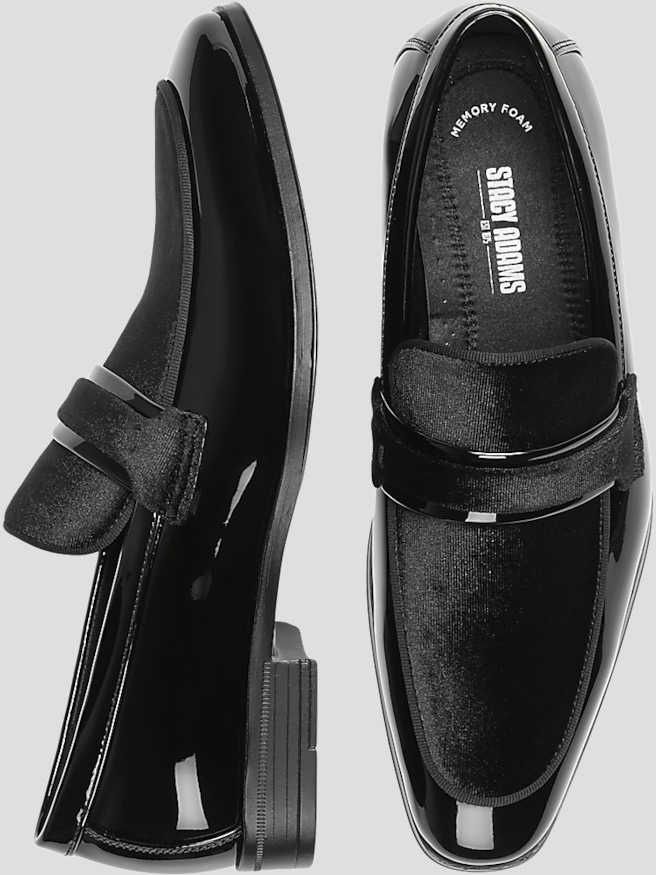
Memory foam moccasins pair the stitched toe and low, slip-on shape of a classic moccasin with a cushioned footbed. Most are designed as slippers, though some have a sturdier outsole for short trips outside. Part of the appeal is how the footbed feels after a few steps: The foam responds to pressure, yielding a little under the heel and ball of the foot before slowly regaining its shape once the slipper is off. The feel can range from softly padded to fairly firm, depending on the density of the foam and what sits beneath it. A layer of resilient foam under the memory foam can give the footbed a more stable base, so the foot rests on the cushion without sinking all the way through it. The upper has just as much to do with how the slipper wears. Suede has a soft nap and can develop creases where the foot bends, while microsuede offers a similar texture in a synthetic fabric. Leather trim can lend definition to the toe and collar, and fabric uppers can give the whole slipper a more relaxed feel. Inside, a low-profile lining such as microterry can add a little texture without taking up much room, while a deeper fleece lining makes the slipper feel fuller around the sides and over the top of the foot. Even two pairs with a similar moccasin shape can feel quite distinct once they’re on. The stitching around the toe gives the style its familiar outline, but details like the thickness of the lining and the height of the heel collar tend to matter more when the slippers are worn for several hours at a time.
A good fit leaves enough room for the toes to move while keeping the heel from lifting noticeably with each step. Because most moccasin slippers don’t have adjustable laces, the fit across the instep does much of the work of holding the foot in place. A pair can have a roomy toe box yet still feel tight across the top, especially when there’s a thick lining or the slippers are worn with socks. Trying on both slippers with the socks normally worn around the house gives a better sense of the fit than checking the size alone. A few steps on a hard floor can reveal whether the foot slides forward or the back edge rubs the heel. The lining and foam may settle a little with wear, but a toe seam that presses from the start is unlikely to gain much room in length. For someone who likes space across the forefoot, a wider shape is often a better match than a longer size. The sole matters, too. A thin, flexible sole suits quiet steps from the bedroom to the kitchen, while a textured rubber sole offers more separation from rough surfaces and makes more sense for stepping out to collect a package. An indoor-outdoor sole can make a moccasin more versatile, but it doesn’t turn a slipper into a shoe designed for long walks. For longer errands or a day spent mostly away from home, Memory Foam Mens Shoes offer the same type of cushioning in styles built for everyday wear beyond the house.
The useful life of a pair depends on where it’s worn and how it’s cared for. A moccasin that stays on carpet and hardwood won’t see the same abrasion as one that regularly crosses concrete, particularly along the heel and outer edge of the sole. Indoors, grit caught in the tread can scratch a finished floor, so an occasional look at the underside is worthwhile if the slippers do double duty. Cleaning depends on the upper and lining, and the care label is the best place to check before getting either material wet. For suede, a soft suede brush can lift surface dust and tidy up flattened areas of the nap. Many fabric uppers can be spot-cleaned with a lightly damp cloth if the care instructions allow it. Soaking a lined moccasin can leave moisture trapped in the footbed, and machine washing is best reserved for pairs specifically labeled for it. Letting slippers air out between wears also gives the lining a chance to dry. Over time, even well-cared-for memory foam can compress where the foot puts the most pressure on it. A footbed that stays flattened at the heel or a sole that’s worn smooth on one side can change the feel of a once-familiar pair. For a gift, memory foam moccasins make sense for a dad who slips out of his work shoes at the door, a partner who spends much of the day at a home desk, or a brother who likes to keep a pair by the bed. A familiar shoe size is a useful starting point, but habits can be just as telling. Someone who wears thick socks around the house may appreciate more interior room, while someone who moves between the house and the garage is more likely to make use of a firmer sole. Those details help distinguish a pair that simply looks comfortable from one that fits naturally into the recipient’s day.