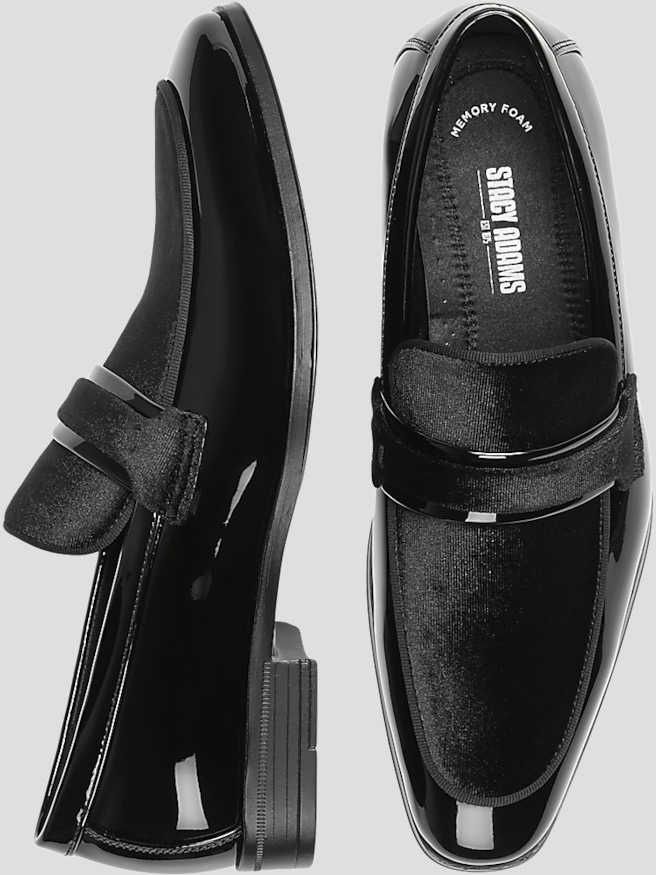
Memory foam loafers are slip-on shoes that pair a loafer’s low-cut shape and lace-free construction with cushioning that responds to pressure from the foot. The foam compresses under weight, helping the footbed follow the contours of the heel and forefoot, then gradually recovers its shape after wear. That cushioning can soften the feel underfoot, while the upper, outsole, lining, and overall construction determine how the shoe fits and performs. The result is a footwear category that can bridge tailored clothing and everyday casual outfits without looking like an athletic shoe. A smooth leather penny loafer has a clean profile beside dress trousers and a tucked-in shirt; a suede loafer brings a softer texture to chinos, dark denim, or an unstructured jacket. Apron-toe stitching adds definition around the front of the shoe, while a streamlined vamp keeps the appearance understated. Black tends to create a sharper, more formal impression, and brown shades work especially well with navy, gray, olive, and neutral clothing. Material choice affects more than appearance. Leather can develop creasing and character with wear, though its initial flexibility varies with thickness and construction. Suede has a brushed surface that calls for its own cleaning tools, while synthetic uppers vary in breathability, flexibility, and maintenance needs. Textile or knit constructions generally lean casual and may offer a more flexible feel across the top of the foot. A leather lining can provide a smooth interior, while fabric linings vary in texture and moisture management. These details matter during ordinary moments: walking from a parking garage to an office, sitting through a presentation, or heading directly from work to dinner. Memory foam adds a cushioned layer to those routines, but the best match still depends on the shoe’s shape, the setting, and the wearer’s preferences. A low-profile sole can keep the silhouette dressier, whereas a thicker sole often gives the same slip-on design a more casual appearance.
Fit is especially important in memory foam loafers because there are no laces to fine-tune the hold across the foot. A comfortable pair should feel secure through the instep and heel without squeezing the toes or pressing firmly against the top of the foot. The toes need room to rest naturally, and the widest part of the foot should align with the widest part of the shoe. A small amount of heel movement may occur with some constructions, but repeated slipping, rubbing, or the need to grip with the toes can indicate that the size or shape is not suitable. Soft cushioning should not disguise a cramped toe box, and an oversized loafer is unlikely to become more secure as its footbed settles. Width, instep height, and toe shape can be as influential as the size printed inside. Socks also change the fit: thin dress socks take up less space than thicker casual socks, while low-cut liner socks preserve the exposed-ankle look with a fabric layer between skin and lining. Trying on footwear with the socks intended for regular wear gives a more useful sense of the fit. Underfoot, memory foam thickness and density influence how much compression a wearer feels. A plush first impression does not necessarily mean stronger arch support or better comfort over a long day. The shape beneath the cushioning, heel stability, flexibility at the ball of the foot, and outsole construction all contribute. Rubber outsoles can provide useful grip and flexibility, though traction depends on the tread and walking surface. For an office routine with moderate walking, a cushioned loafer can offer a polished alternative to lace-up dress shoes. For hours spent standing or covering long distances, support and secure fit deserve just as much attention as softness. Memory foam is a cushioning feature, not a guarantee of orthopedic support, and individual comfort needs may call for a more structured footbed or footwear recommended by a qualified professional.
The lasting appeal of memory foam loafers comes from how easily they fit into a well-used wardrobe, but their durability depends on both construction and care. High-friction areas such as the heel lining, toe edges, and outsole usually show wear before less exposed surfaces. Cushioning can also compress with repeated use, so a footbed that once felt resilient may eventually feel flatter or less even. Alternating footwear gives the interior time to air out between wears and reduces continuous wear on a single pair. Smooth leather generally benefits from gentle cleaning and an appropriate conditioner used according to the material’s care directions; polish can help maintain the finish when suitable for that leather. Suede calls for a suede brush and compatible spot-cleaning methods rather than the creams used on smooth leather. Synthetic and textile uppers have their own care requirements, and machine washing is appropriate only when expressly permitted by the maker. Footwear should dry naturally away from direct heat, which can affect adhesives, finishes, and shape. Properly sized shoe trees can help leather loafers retain their form, while storage that avoids crushing the uppers helps preserve a clean silhouette. With thoughtful upkeep, these shoes can remain an easy choice for business-casual workplaces, restaurant dinners, family celebrations, and travel plans that combine seated time with moderate walking. Their familiar styling also makes them a practical gift for a birthday, graduation, or career milestone when the recipient’s size, width, and preferred fit are known. Someone who usually wears tailored trousers may appreciate a sleek leather profile, while someone whose wardrobe centers on jeans and chinos may prefer a more relaxed texture and sole. The broader category of Memory Foam Mens Shoes offers another way to explore cushioning across footwear styles. Within loafers, the most useful balance is straightforward: a secure fit, materials suited to the intended setting, and cushioning that complements rather than replaces sound shoe construction.