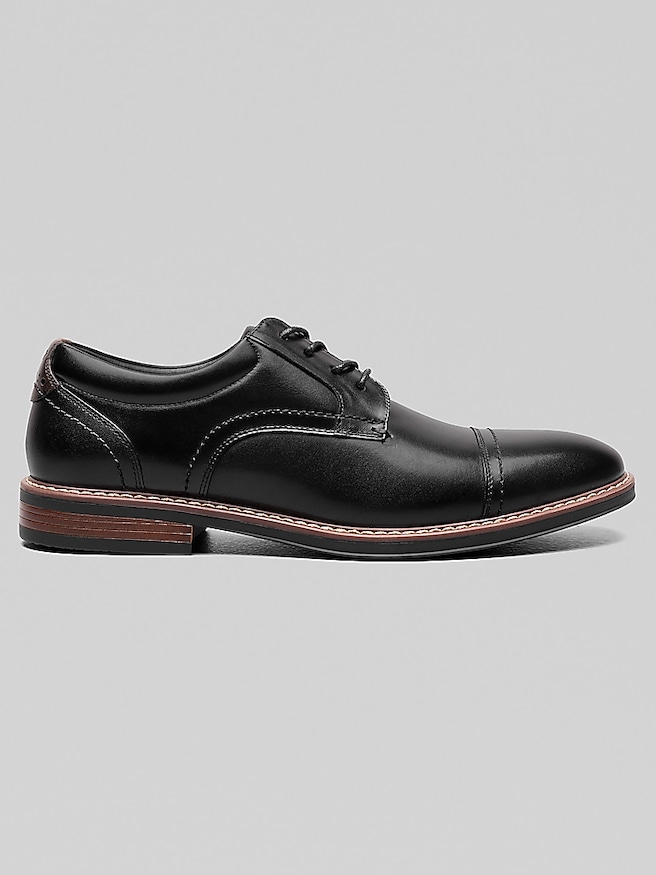
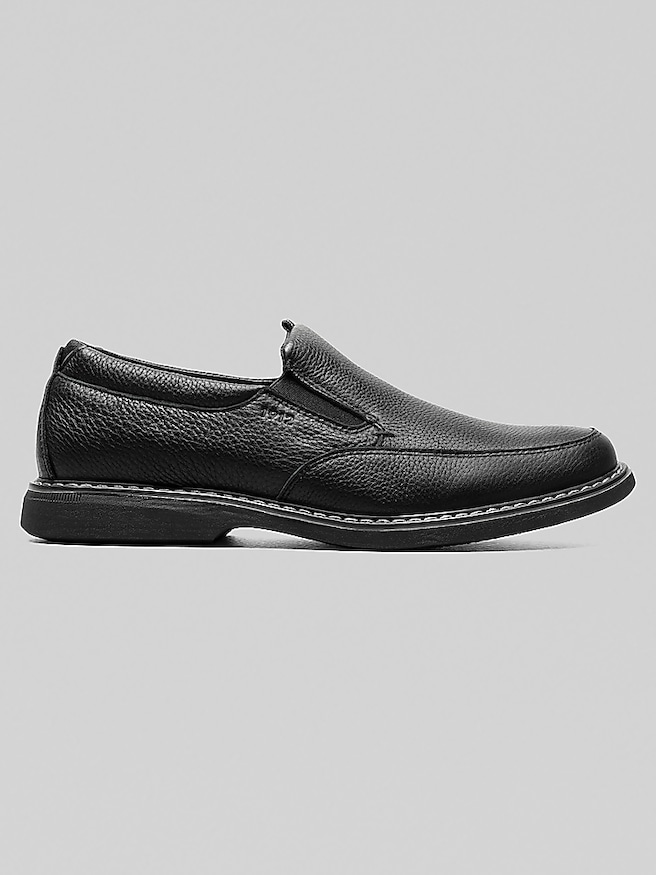
Memory foam boots combine the coverage and structure of a boot with an underfoot cushioning layer designed to respond to pressure and conform to the contours of the foot. Memory foam is a viscoelastic material: it compresses under weight and gradually returns toward its original shape when that weight is removed. In footwear, it is commonly used in a footbed or insole to soften contact beneath the heel and forefoot. That cushioning can help distribute pressure and make each step feel less abrupt, although the overall experience depends on the foam’s thickness, density, placement, and supporting layers. A soft footbed is only one part of a comfortable boot. The shape of the last, the stability of the sole, and the room inside the upper matter just as much. Leather uppers can bring a smooth, structured finish that works well with chinos, dark denim, and relaxed tailoring. Suede offers a softer texture and a less formal appearance, while textile and synthetic constructions may offer a lighter feel or simpler upkeep, depending on their design. Interior details deserve equal attention: a smooth lining, a well-finished seam, and a padded collar can affect comfort where the boot meets the foot and ankle. Lace-up styles allow adjustment across the instep, while pull-on designs depend more heavily on the relationship between the opening, heel shape, and foot volume. Underneath, outsole materials and tread patterns influence flexibility, grip, weight, and how firmly the boot meets the ground. Rubber outsoles often provide a more substantial feel, while some lightweight compounds help reduce overall weight. Neither a thick sole nor a plush lining automatically means better support. The most useful combination is balanced: enough cushioning to soften foot contact, enough structure to hold the foot securely, and enough flexibility to move naturally through a stride. That balance gives memory foam boots their appeal for everyday dressing without making every construction suitable for the same purpose.
Fit determines whether that cushioning feels comfortable after several hours rather than just during the first few steps. Memory foam can adapt to the outline of the foot, but it cannot correct a boot that is too short, too narrow, or poorly matched to the instep. Toes should have room to lie naturally without pressing against the front or being squeezed from the sides. The heel should feel secure rather than repeatedly lifting and rubbing, and the upper should hold the midfoot without creating concentrated pressure. Trying boots with the socks intended for regular wear gives a more realistic sense of interior space. Walking, turning, and standing for a few minutes can reveal a seam that catches the ankle or a toe box that feels restrictive when the foot bends. For lace-up boots, even tension across the laces helps secure the foot without tightening one small area excessively. A cushioned insole may feel especially pleasant for someone moving between a desk, a commute, and errands, but long periods on the feet also call for attention to stability and overall support. Memory foam is not the same as structured arch support, and extra softness is not necessarily the best match for every foot. Anyone using an orthotic should check whether the original footbed is removable and whether the boot has enough depth for the intended insert; stacking insoles can crowd the foot and alter heel placement. Intended use matters just as much as fit. A streamlined leather boot can suit a casual office or dinner out, while a more substantial construction may pair naturally with denim for everyday activity. Appearance alone does not establish suitability for a demanding job. Tasks requiring protective toes, electrical-hazard protection, or particular slip-resistance standards call for footwear with the appropriate verified features. Memory foam describes cushioning, not a safety rating. For frequent walking, consider the complete boot, including weight, heel height, sole flexibility, and how smoothly the foot rolls from heel to toe.
Keeping memory foam boots comfortable over time means caring for both the upper and the cushioning inside. Remove loose dirt with a soft brush or cloth before it settles into seams and textured surfaces. Smooth leather generally benefits from a compatible cleaner and occasional conditioning, while suede needs tools and treatments intended for its raised surface. Synthetic and textile uppers can have different cleaning requirements, so the material-specific care directions should take priority over a familiar household method. The interior needs a measured approach as well. Saturating a foam footbed can make drying difficult and may affect surrounding adhesives or lining materials. Removable insoles can be taken out for airing when the construction allows, while fixed footbeds should be cleaned only as directed. Let boots dry naturally away from concentrated heat; placing them close to a heater or using a hot dryer can damage leather, foam, and bonded components. Giving footwear time to air between wears also helps manage moisture from everyday use. Over time, repeated compression can reduce the resilience of a cushioning layer, so pay attention to flattened areas, uneven wear, and a noticeable change in how the boot feels underfoot. A replaceable insole can offer flexibility in some designs, but a new footbed cannot repair a worn outsole or restore a misshapen upper. These practical details also make memory foam boots a thoughtful gift when the recipient’s size, preferred fit, and daily routine are well understood. Someone who favors structured footwear for errands may appreciate a different construction than someone who wants an easy pull-on style for casual outings. For a softer, lower-profile footwear option, Memory Foam Moccasins offer a related direction to consider. Boots remain a distinct choice for those who prefer more coverage, a defined silhouette, and the substantial feel of a boot paired with cushioned comfort underfoot.