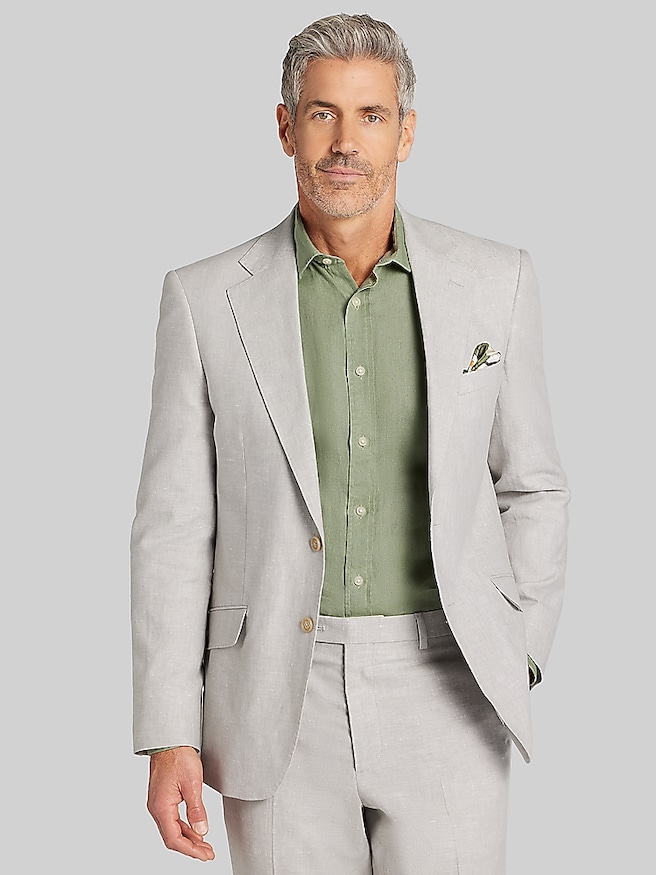
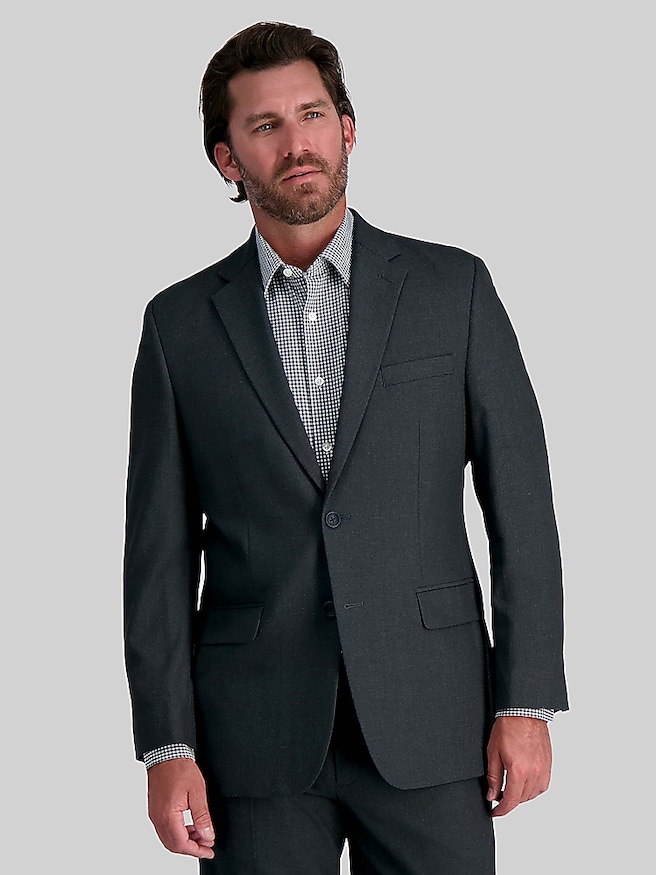
Medium gray suits occupy the versatile middle ground between light gray and deep charcoal, offering a polished look that works for business meetings, wedding celebrations, interviews, and many evening events. The shade has enough depth to look composed in a conference room without the stronger contrast of a very dark suit. Within the broader range of Gray Suits, medium gray is especially useful for building a wardrobe around pieces that coordinate easily. It pairs naturally with white and light blue shirts, brown or black leather shoes, and ties in navy, burgundy, forest green, or understated patterns. The overall impression can shift considerably with those choices: a crisp white shirt and dark tie create a more formal business look, while a pale blue shirt and softly textured tie feel approachable without losing polish. For a wedding guest, medium gray offers a neutral foundation that complements many celebration settings without competing with the wedding party. For someone preparing for an important presentation, it keeps attention on the person rather than on a bold color or conspicuous pattern. It is also a practical choice for graduations, milestone dinners, and professional portraits, provided the styling matches the occasion. Medium gray is not a substitute for a tuxedo when an invitation specifies black tie; its strength lies in the broad range of occasions where a tailored suit is appropriate. Subtle variations within the shade matter, too. A cooler gray may have a faint blue cast, while a warmer gray can lean slightly toward taupe. Fine patterns and mixed-color yarns can add depth without making the suit look strongly patterned from a distance. These distinctions help explain why two medium gray suits can feel quite distinct even when their overall color depth is similar. A smooth, solid-looking fabric reads clean and restrained, while a softly textured surface brings a little more visual character to the same familiar silhouette.
Fabric and fit determine how a medium gray suit feels throughout the day, not just how it looks in a photograph. Wool is a traditional suiting material because it can drape cleanly, allow moisture vapor to escape, and recover from light creasing when given time to rest. Finer, smoother wool fabrics often create a refined appearance, while more pronounced weaves introduce texture that becomes noticeable up close. Wool blends can bring other useful qualities, including added resilience or stretch, depending on the fibers and construction. A small amount of stretch may make sitting, reaching, and walking more comfortable, but stretch does not replace adequate room through the shoulders, chest, seat, and thighs. The fabric label provides a starting point; the feel of the cloth, the stability of the seams, and the way the garment hangs provide additional clues about everyday performance. For frequent use, a balanced fabric with enough substance to hold its shape can be more practical than an exceptionally delicate cloth chosen only for softness. Lining and internal construction also influence how smoothly the jacket moves over a shirt and how well its front maintains its shape. Good fit begins at the shoulders, where the jacket should follow the natural shoulder line without overhanging or pulling tightly. The collar should sit close to the shirt collar, and the lapels should lie smoothly rather than bow away from the chest. When the jacket is buttoned while standing, pronounced diagonal pulling across the front usually signals that more room is needed. A slim silhouette follows the body closely, while a roomier cut allows more ease; neither should restrict ordinary movement. Trousers need to sit securely at the intended rise, with enough space to sit comfortably and pockets that remain relatively flat. A clean hem with little or no break looks streamlined, while a modest break creates a more traditional finish. Jacket sleeve length, trouser length, and waist shaping are often worth refining through alterations, but the underlying proportions should already feel balanced.
Styling a medium gray suit is often a matter of choosing a few clear contrasts rather than adding more detail. A white shirt brings brightness to the face and creates a sharp backdrop for a patterned tie. A light blue shirt softens that contrast and works particularly well with navy accessories. For a client meeting or interview, a restrained tie pattern and neatly maintained lace-up shoes keep the outfit focused and professional. For a celebration with a less formal dress code, a textured tie or a carefully chosen pocket square can add personality without overwhelming the suit. Black shoes give medium gray a crisp, dressier finish; dark brown shoes introduce warmth while remaining appropriate for many business and social settings. Matching the belt closely to the shoe color helps the outfit feel cohesive, and clean shoes make a noticeable difference against neutral tailoring. A suit jacket and trousers made from the same cloth should generally be cleaned together so their appearance stays consistent over time. Care begins between wearings: empty the pockets, hang the jacket on a broad, supportive hanger, and give the fabric space rather than compressing it in a crowded closet. A soft clothing brush can help lift surface dust, while time to air out allows minor odors and light creases to dissipate. Follow the garment’s care label for cleaning and pressing, and seek professional attention for stains instead of rubbing them into the fabric. Direct heat and aggressive pressing can leave shine on some suiting fabrics, especially around seams and pocket edges. Rotating a frequently worn suit with other clothing gives the fabric time to recover, and promptly addressing a loose button or opening seam can prevent a small issue from becoming more substantial. For a graduation or career-milestone gift, medium gray can be a thoughtful starting point when the recipient’s measurements, fit preferences, and typical dress requirements are known. Its lasting usefulness comes from the combination of a flexible neutral shade, comfortable proportions, and care that preserves the fabric’s shape and finish.