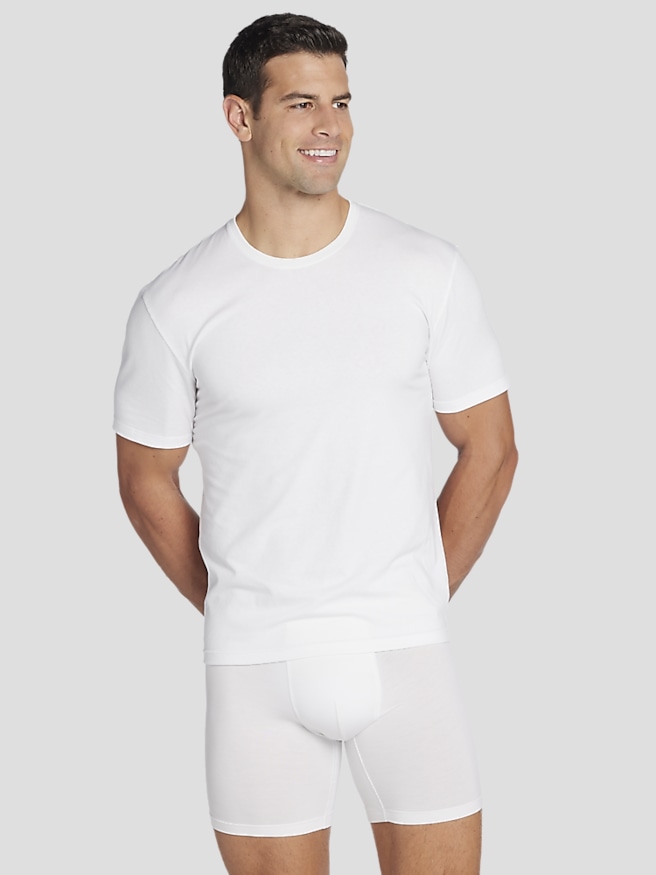
Luxury tees are refined T-shirts distinguished by fabric quality, considered proportions, and careful construction rather than decoration alone. Their appeal starts with how they feel against the skin and continues in the way they hold a clean silhouette beneath a jacket or stand on their own with tailored trousers. A smooth surface, balanced drape, and neatly finished neckline can make a familiar basic feel noticeably more polished. Cotton is a natural starting point, with long-staple varieties valued for fibers that can be spun into fine, strong yarns with fewer exposed ends. Pima cotton, for example, is often associated with softness and a smooth appearance, although fiber type is only one part of the finished fabric’s character. Yarn quality, knitting, and finishing also influence feel and performance. Jersey knit offers the familiar flexibility of a classic tee, while more compact constructions can create a cleaner surface and greater structure. Cotton blends may introduce stretch, a fluid drape, or a different hand feel; modal and lyocell can contribute softness, while a small amount of elastane can help fabric move comfortably with the body. Silk blends may add subtle luster, though they can also require more attentive care. Fabric weight matters, but heavier does not automatically mean better. A substantial knit can provide coverage and a defined shape, while a lighter knit can sit comfortably beneath another layer without excess bulk. The strongest choice depends on whether the tee is intended to look crisp and architectural or soft and easy. Finishing details deserve equal attention: even stitching, a collar that lies flat, and a hem that hangs evenly all support a composed appearance. Minimal graphics and understated colors can place the emphasis on these qualities, but simplicity alone does not establish quality. The distinction is in how the fabric, cut, and finishing work together through repeated wear.
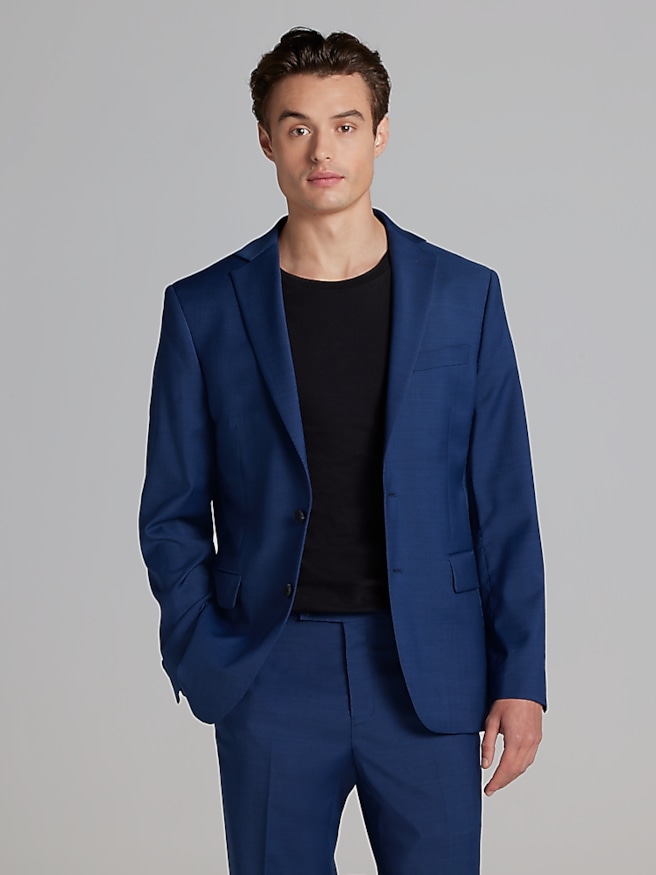
Fit determines whether a luxury T-shirt reads as an intentional part of an outfit or simply an extra layer. A close fit can create a streamlined foundation beneath an unstructured blazer, provided the fabric does not pull across the chest or cling around the waist. A regular fit leaves a little more breathing room through the torso and works naturally with chinos, denim, and relaxed tailoring. A roomier cut creates a distinct silhouette of its own, especially when its length and sleeve proportions remain balanced. On a conventional set-in sleeve, the shoulder seam generally sits near the edge of the shoulder; a deliberately dropped shoulder is a separate design choice rather than necessarily a sizing mistake. Sleeves that skim the upper arm tend to look neat without feeling restrictive, while the hem should provide enough coverage for reaching and sitting without creating a long band of bunched fabric. Neckline shape changes the impression, too. A well-proportioned crewneck frames the face and gives a jacket a clean backdrop, while a restrained V-neck creates a more open line. The neckline should lie comfortably instead of stretching, gaping, or pressing tightly against the throat. Color can be just as practical as cut. White and off-white offer a clear contrast with dark trousers, navy feels understated with tan chinos, and charcoal can soften an outfit built around black. A tonal combination, such as a dark tee with similarly shaded trousers, puts more attention on texture and proportion. For occasions that call for a collar, Luxury Polos provide a related option with additional structure around the neckline. Tees themselves suit casual dinners, travel days, creative workplaces with relaxed dress expectations, and weekends when a sweatshirt feels too informal. They can also make thoughtful gifts for someone who appreciates comfortable, understated clothing, particularly when the recipient’s preferred fit, neckline, and usual colors are already familiar.
Durability is part of what makes a luxury tee satisfying to wear repeatedly, but a soft first impression does not tell the whole story. Fabric should recover reasonably after gentle stretching, seams should sit smoothly, and the neckline should retain its shape without feeling stiff. Reinforcement at the shoulders or back neck can help stabilize areas that experience regular tension. Side seams that hang straight and hems that stay flat contribute to a tidy appearance, although construction methods vary and no single feature guarantees longevity. Surface changes also depend on the fiber and the way the garment is worn. Friction from a shoulder strap, a rough jacket lining, or repeated contact at the underarm can encourage pilling even on a carefully made knit. Good care helps preserve the qualities that distinguish premium T-shirts. The care label remains the starting point because cotton, silk blends, stretch fabrics, and specially finished materials may need different treatment. When machine washing is permitted, turning a tee inside out, separating it from abrasive hardware, and choosing an appropriate gentle cycle can reduce unnecessary wear. A suitable detergent used in the recommended amount helps avoid residue, and treating a mark promptly is generally gentler than repeated aggressive washing later. High dryer heat can contribute to shrinkage, affect stretch fibers, and change the way a neckline sits, so drying methods should follow the garment’s instructions. Reshaping a damp tee and drying it flat, when recommended, can help maintain its proportions. Folding rather than leaving a delicate knit on a narrow hanger may also prevent shoulder impressions and stretching. If pressing is needed, the correct setting and a pressing cloth help protect the surface, particularly on blends with a subtle sheen. These small habits support a consistent fit and finish over time. A tee that feels comfortable through a long dinner, sits cleanly beneath a jacket, and returns to its familiar shape after proper care earns its place through everyday usefulness, not simply through a luxury label.