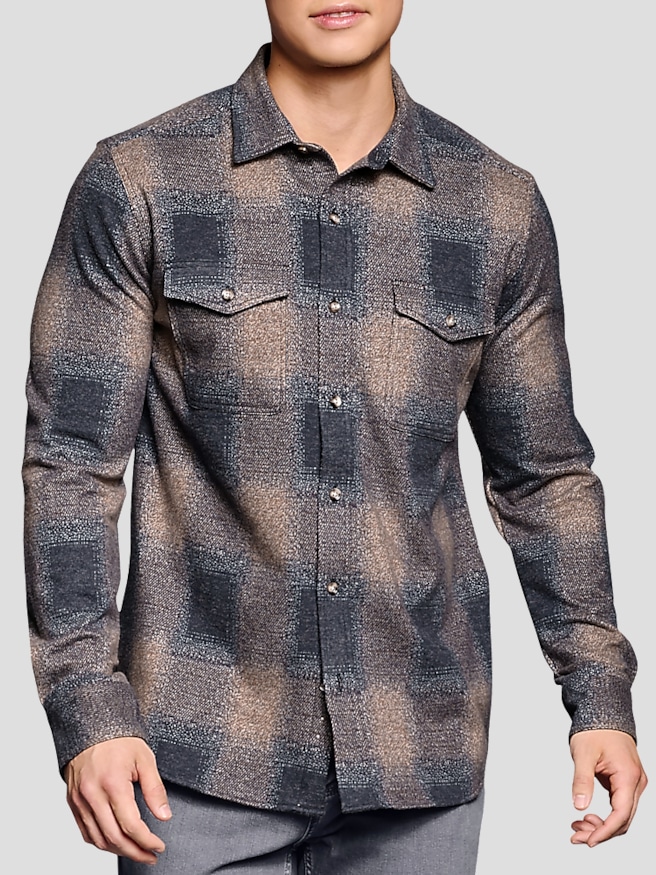
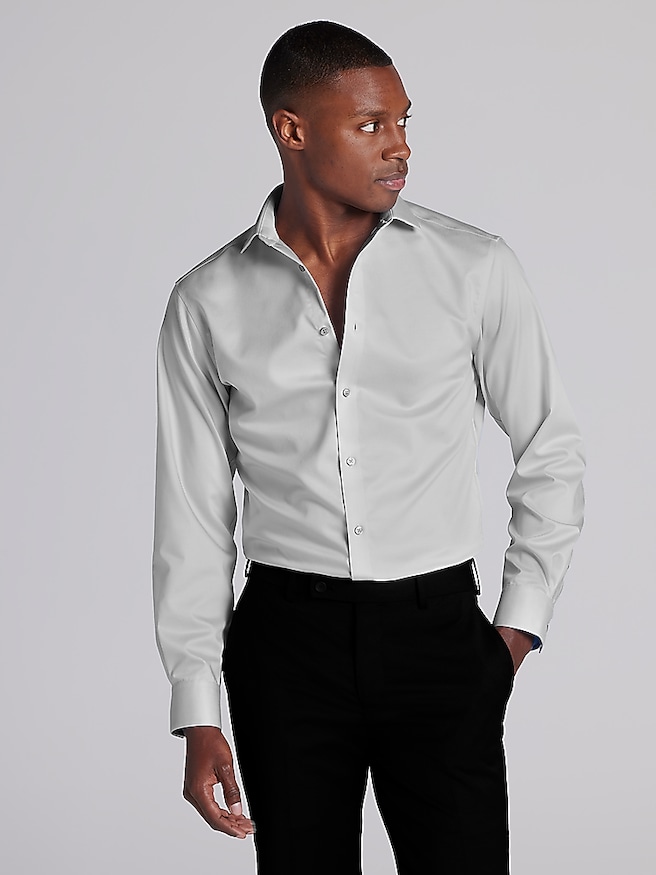
Luxury casual shirts combine refined fabrics, considered construction, and an easygoing silhouette, bringing the finish of a dressier shirt to everyday wear. Their appeal lies in the details: a collar that sits neatly without a tie, fabric that feels comfortable against the skin, and a shape that looks intentional with either tailored trousers or denim. Premium cotton, linen, silk, and thoughtfully chosen blends can all contribute to that balance, though each creates a distinct look and feel. Long-staple cotton can produce smooth, strong yarns with less surface fuzz, making it a useful foundation for shirts intended for frequent wear. The weave matters, too. Poplin typically has a smooth, crisp surface; twill has a subtle diagonal texture and often a fluid drape; Oxford cloth brings visible texture and a more relaxed character. Linen has an irregular texture and natural creasing that suit an understated, less formal look. Silk can add softness, fluidity, or a restrained sheen, while cotton blended with cashmere may offer a particularly soft hand. Fiber content alone does not establish quality: the way the fabric is woven, finished, and assembled also affects how a shirt wears over time. Even stitching, neatly finished seams, securely attached buttons, and a cleanly constructed collar are useful details to consider. A fine shirt should feel substantial enough for its intended use without feeling stiff or cumbersome. Some fabrics hold a defined shape, while others fall more softly through the chest and sleeves. Neither approach is inherently better; the distinction is whether the fabric supports the desired silhouette. Matte surfaces and subtle woven patterns often make luxury casual shirts especially versatile, adding depth without relying on prominent decoration. The result can be quietly distinctive: a shirt whose texture becomes apparent at close range, whose collar frames the face neatly, and whose fabric moves comfortably through an ordinary day. That combination of tactile comfort and visual restraint gives the category its lasting appeal.
Fit determines how those fabric qualities translate on the body. Shoulder seams should generally sit near the edge of the shoulder, and the collar should rest comfortably whether the top button is open or closed. Across the chest, the placket should lie flat rather than pull between buttons. Sleeves need enough room for bending an elbow or reaching across a table without making the whole shirt ride upward. A slim silhouette follows the torso closely, a regular fit allows more ease, and a relaxed cut creates a looser line; these labels can vary, so garment measurements and size information are more useful than the name alone. For men with broader shoulders or a fuller chest, enough room through the upper body often creates a cleaner appearance than choosing a smaller size for a narrow waist. A modest amount of stretch can support movement, but it does not replace appropriate sizing. Length also changes the effect. A shirt intended to remain untucked generally needs a hem that looks balanced over the waistband rather than extending far down the thighs. A longer hem helps a tucked shirt stay secure when sitting or moving. These practical distinctions make luxury casual shirts useful across a range of settings, from a creative workplace to a dinner reservation or an afternoon at a gallery. A softly structured collar works naturally beneath an unstructured jacket, while a more relaxed collar can stand on its own with the neckline left open. Solid colors let fabric texture take the lead; narrow stripes, small checks, and restrained prints add personality without dominating an outfit. With dark denim, a refined shirt creates a deliberate contrast between a smooth upper layer and a more rugged fabric. With tailored trousers, it can soften the formality of the outfit without making it feel unfinished. Keeping the shirt, trousers, and footwear at a similar level of refinement usually matters more than matching every color exactly. The strongest combinations leave enough visual space for good fabric and a comfortable fit to register.
Care helps preserve both the appearance and the feel that make these shirts worth wearing repeatedly. The care label should always take priority, particularly for silk, cashmere blends, special finishes, or fabrics with several fiber types. Some cotton and linen shirts can be washed at home, while other constructions require professional cleaning or a gentler process. Where machine washing is permitted, an appropriate cycle, compatible colors, and a measured amount of detergent can help limit unnecessary wear. Excessive heat may cause shrinkage or affect the finish, so drying and ironing settings should follow the garment’s instructions rather than a single routine for every shirt. Prompt attention to a small spill is also preferable to aggressive scrubbing after a stain has set. For shirts that can be pressed, careful work around the collar, cuffs, and front placket often makes the greatest visible difference. Linen does not need to look perfectly flat to look well cared for; some natural texture is part of its character. Between wears, allowing a shirt to air before storing it and giving it room on a suitable hanger can help maintain its shape. Checking a loose button or an opening seam early makes a simple repair easier and supports longer use. These considerations also make luxury casual shirts thoughtful gifts for someone who appreciates clothing that works beyond a single occasion. A familiar fit, a preferred collar shape, and a color that already appears in the recipient’s wardrobe are useful starting points. Care requirements deserve equal attention, especially for someone who prefers a straightforward laundry routine or travels frequently. For a cohesive outfit, luxury casual shoes can carry the same emphasis on texture, comfort, and restrained detailing through to the finish. Whether worn for a business-casual gathering, a relaxed celebration, or an evening out, a well-chosen shirt should feel like a natural extension of the wearer’s style rather than something reserved for an unusually formal day.