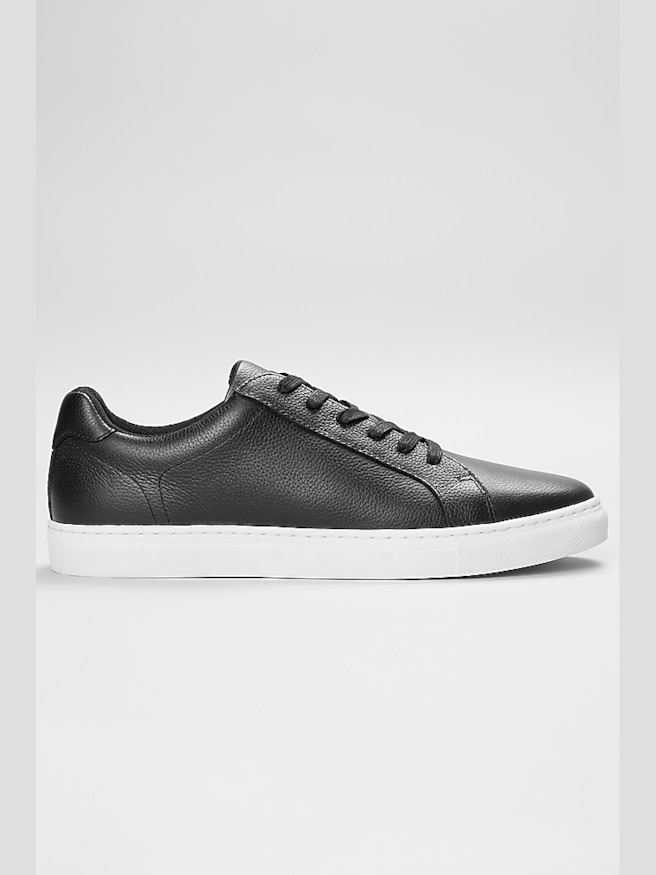
Luxury casual shoes combine refined materials, considered construction, and relaxed silhouettes for a polished look that does not depend on formal footwear. Smooth leather sneakers, suede loafers, and understated lace-ups sit comfortably between athletic shoes and traditional dress styles, making them useful for offices with a relaxed dress code, dinner reservations, gallery visits, and weekends spent around town. Their appeal often comes from details that are easy to appreciate up close: neatly finished seams, a supple leather upper, a balanced toe shape, and an outsole that complements the shoe rather than overwhelming it. Full-grain leather retains the hide’s natural surface and can develop character with proper care, while fine calfskin is valued for its smooth texture and pliability. Suede brings a soft, napped finish that gives simple outfits more depth without relying on bold decoration. Neither material alone guarantees comfort or longevity; the quality of the lining, stitching, sole attachment, and overall fit matters just as much. Luxury leather sneakers typically offer a clean foundation for chinos and a button-down shirt, while penny loafers and other restrained slip-on shapes work well with tailored trousers or dark denim. A low-profile sole generally feels more refined visually than a heavily sculpted one, although a substantial sole can provide a deliberate contrast to straight-leg pants. For someone moving from a desk to an evening meal, this balance of ease and polish makes casual footwear especially versatile. The shoes can look intentional beneath an unstructured blazer without feeling out of place when that jacket is set aside. When an outfit calls for more formal detailing, luxury dress shoes offer a distinct alternative; casual styles keep the emphasis on adaptable silhouettes and a less structured appearance. The distinction is less about decoration than proportion, finish, and how naturally the footwear works with everyday clothing.
Materials and construction influence how luxury casual shoes feel through a full day, not just how they look in a mirror. Leather linings can provide a smooth interior and help manage moisture, while textile linings vary in breathability and softness according to their weave and composition. Underfoot cushioning may soften the sensation of standing or walking, but a very soft footbed is not automatically the most supportive choice. A stable base, suitable arch contour, and enough room for the toes can matter more over several hours. Rubber outsoles often bring flexibility and traction to casual designs, though grip depends on the compound and tread rather than the material name alone. Leather soles have a distinctive feel and profile, and some constructions combine them with rubber sections for practical contact with the ground. Fit should feel secure at the heel and comfortably held through the midfoot, without pressure across the widest part of the foot. Toes need space to move without sliding forward into the front of the shoe. Lace-up styles allow adjustments across the instep, which can be helpful when foot volume or sock thickness changes. Loafers depend more heavily on the match between the shoe’s shape and the foot, so an appropriate width and a secure instep are especially important. Supple leather may ease slightly with wear, but a shoe that pinches or compresses the toes should not be treated as a promising fit simply because the upper is leather. Trying footwear with the socks intended for everyday use gives a more useful sense of comfort than judging it with an unusually thin pair. For commuting, extended standing, or travel that involves substantial walking, weight, flexibility, and outsole contact deserve particular attention. Refined casual shoes suit everyday movement, but their appearance should not be mistaken for the specialized support of footwear designed for running or demanding outdoor activity. The most satisfying pair suits both the proportions of the foot and the demands of the day.
Color and texture determine how easily luxury casual footwear becomes part of an established wardrobe. Dark brown leather works naturally with navy trousers, olive chinos, and indigo denim, while tan creates a more visible contrast against darker fabrics. Black can give minimalist sneakers or loafers a crisp, understated character, especially with charcoal pants and a fine-gauge knit. White leather sneakers introduce a clean visual break beneath neutral clothing, although their lighter surfaces make regular cleaning more noticeable as part of ownership. Navy and muted suede tones offer depth without drawing attention away from the rest of an outfit. Trouser length also changes the effect: a clean hem with little excess fabric lets the shoe’s shape remain visible, while heavy bunching can obscure even careful detailing. For gifting, luxury casual shoes can suit a partner, father, graduate, or friend who enjoys well-made everyday clothing, particularly when size, width, and preferred silhouette are already known. Familiarity with the recipient’s daily routine is useful; someone who walks between appointments may value a flexible rubber sole more than a sleek profile alone. Lasting appearance depends on maintenance matched to the material. Smooth leather generally benefits from gentle surface cleaning and an appropriate conditioner used according to the maker’s recommendations, with any treatment tested first on an inconspicuous area. Suede needs a suitable brush to lift the nap and remove loose dirt; products intended for smooth leather can alter its texture or color. A material-compatible protector may help limit staining, but it does not make every shoe waterproof. Allowing footwear to air out between wears, loosening laces before removal, and using a shoehorn can reduce unnecessary stress on linings and heel counters. Properly sized shoe trees can help leather footwear retain its shape, while drying away from direct heat protects against avoidable damage. Construction also affects repair options: some soles can be replaced by a skilled cobbler, while others are less practical to rebuild. Thoughtful care preserves the details that make refined casual footwear distinctive, from the grain of the leather to the neat line where the upper meets the sole.