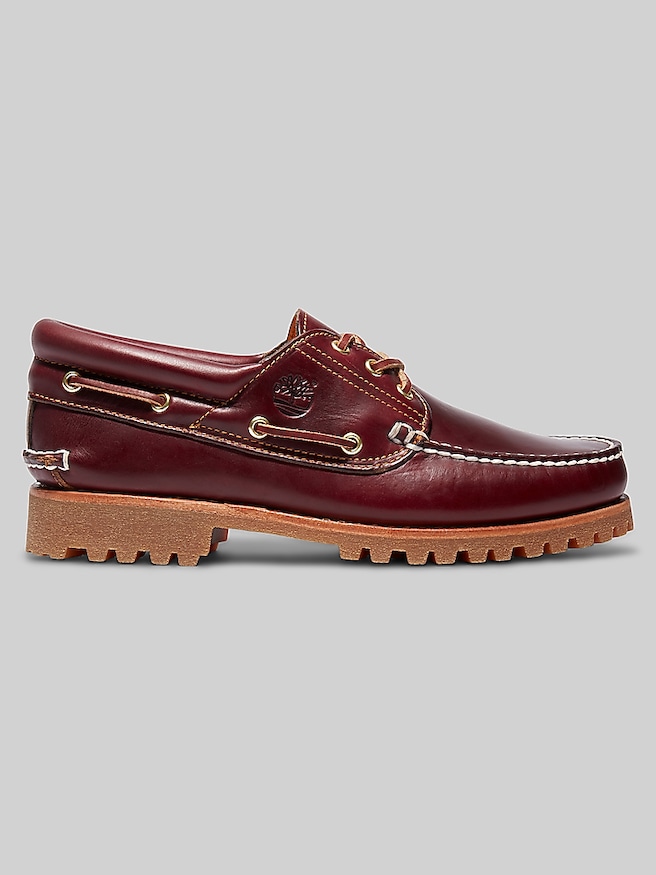
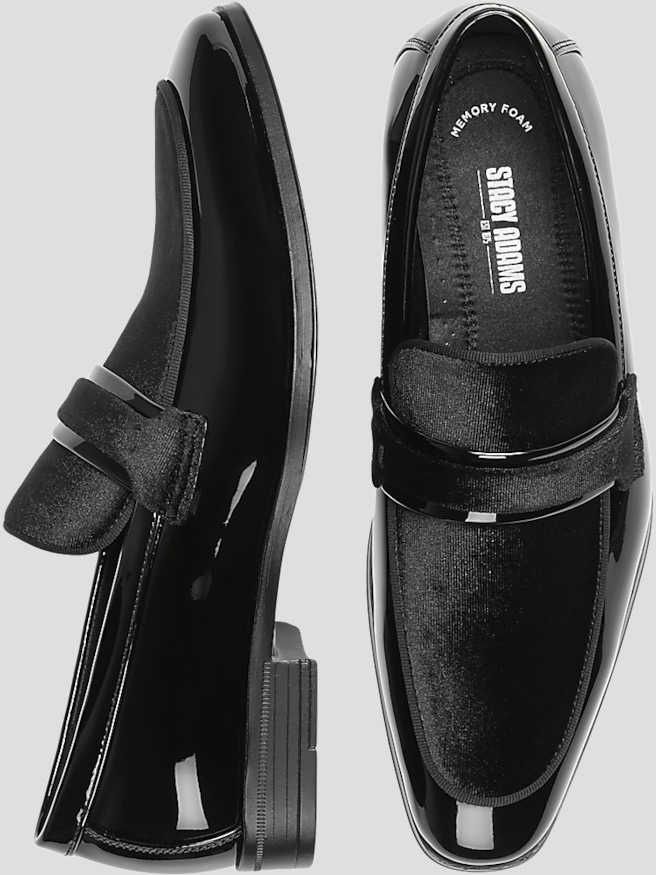
Lug sole shoes are footwear with pronounced tread underfoot, typically formed from rubber, thermoplastic rubber (TPR), or another molded compound. Raised projections called lugs, separated by deep grooves, give the outsole its distinctive profile and help it grip certain surfaces. The result is a substantial silhouette that brings a rugged element to everything from lace-up shoes to slip-ons. Unlike a smooth dress sole, a lug sole has visible texture along its bottom and often around its edge, adding visual weight beneath the upper. That construction can make a familiar shoe shape feel more relaxed, but tread depth alone does not establish slip resistance, cushioning, or suitability for demanding activities. Performance depends on the outsole material, tread pattern, fit, and surface underfoot. For everyday dressing, the appeal is the balance between a polished upper and a more grounded base. A clean leather lace-up with a restrained tread can sit comfortably alongside chinos and an unstructured sport coat, while a deeper, more pronounced sole pairs naturally with straight-leg denim and a substantial knit. For a slip-on interpretation, lug loafers combine an open ankle line with the same defined tread, making them an option for business-casual outfits and relaxed social occasions. Proportion matters more than simply choosing the biggest sole. A modest lug profile can complement slimmer trousers without dominating the outfit, while a broader shoe often looks more balanced beneath a straight or gently tapered leg. Trouser hems that meet the top of the shoe with little bunching leave the shape visible. Black leather creates a crisp contrast with gray trousers or dark denim; brown leather introduces a softer, less formal note with navy, olive, or tan. These shoes generally belong in casual and smart-casual settings rather than strict formal dress, where a sleeker sole and more traditional silhouette may better match the occasion.
Materials and construction influence how lug sole shoes look, feel, and hold up to repeated wear. Smooth leather offers a defined finish and can develop creasing and character with use, while suede brings a softer texture that works particularly well with brushed cotton trousers and denim. Synthetic uppers vary in flexibility, breathability, and maintenance needs, so the material description matters more than appearance alone. Leather and textile linings can also change the feel against the foot, especially around the heel and across the instep. Underneath, rubber compounds differ in firmness and weight; a chunky-looking sole is not necessarily heavy, and a thick sole is not automatically soft. Some designs bend readily at the forefoot, while others feel more structured. The right choice depends on how the shoes will be worn, whether that means a mostly seated workday, frequent trips between buildings, or an evening that includes long stretches on foot. Fit deserves the same attention as the outsole. Toes should have room to move without sliding forward, the widest part of the foot should sit comfortably within the shoe, and the heel should feel secure without rubbing. A lace-up closure allows adjustment across the instep, whereas a slip-on relies more heavily on the shape of the upper to hold the foot in place. Trying shoes with the socks intended for regular wear gives a more useful sense of fit than trying them with an unusually thin or thick pair. Walking on a clean indoor surface can reveal pressure across the forefoot, unwanted heel movement, or stiffness that interferes with a natural stride. Leather may soften with wear, but persistent pinching or cramped toes should not be treated as a normal break-in requirement. For anyone using orthotics, interior depth and a removable footbed, when specified, are worth considering. Lugged tread adds structure beneath the shoe, but it does not replace the need for appropriate arch support or a comfortable footbed.
Everyday care helps preserve both the appearance of the upper and the usefulness of the tread. Deep grooves can collect grit, so a soft brush is helpful for clearing loose debris from the outsole before it becomes packed into the channels. A lightly dampened cloth can clean many smooth leather uppers, followed by drying at room temperature and applying a suitable conditioner or polish according to the material’s care directions. Suede needs a different approach: a dedicated suede brush can lift the nap and remove surface dirt without coating the fibers in products intended for smooth leather. Strong cleaners and direct heat can damage finishes, stiffen leather, or affect adhesives, making material-specific care important. Letting shoes air out between wears helps the lining dry, and appropriately sized shoe trees can help leather uppers retain their shape. Durability is influenced by more than the thickness of the sole. Upper quality, attachment method, flex points, and wear habits all play a part, and not every lug sole construction can be resoled. Unevenly worn lugs, separation at the sole edge, or a heel that has worn noticeably to one side are reasons to assess the shoe’s condition. For daily use, the most practical pair is one that fits the wearer’s routine as well as his wardrobe. Someone who moves between an office, a restaurant, and a walk across town may appreciate a refined upper with moderate tread; someone who prefers denim and casual layers may favor a more pronounced profile. Lug sole shoes can also make a thoughtful gift for a father, brother, partner, or graduate who enjoys substantial footwear, provided his size, preferred fit, and usual style are known. Familiar colors and an outsole proportion similar to shoes he already wears help make the choice personal and useful. The strongest appeal of this category is its ability to bring texture and presence to familiar outfits without requiring an entirely new way of dressing.