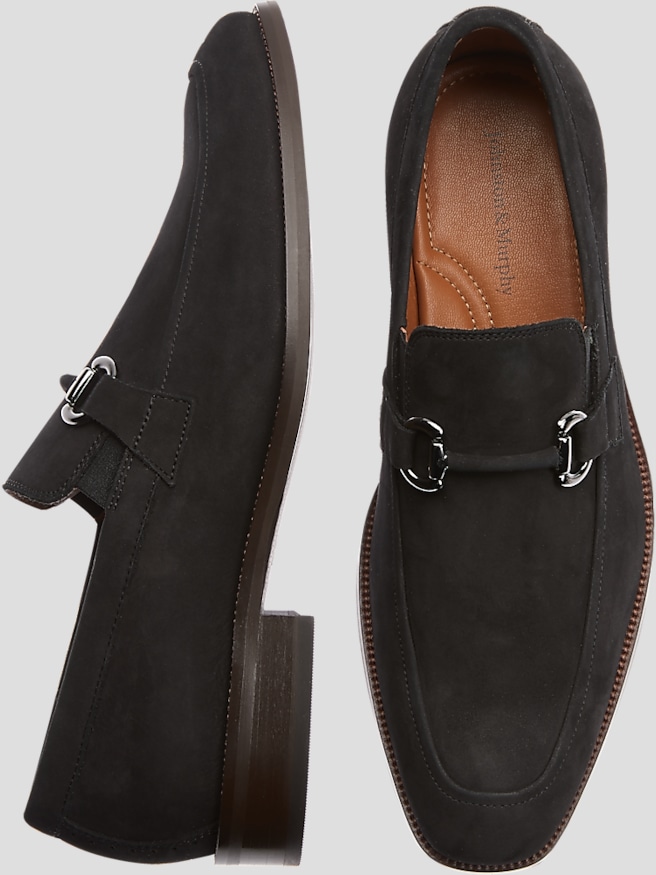
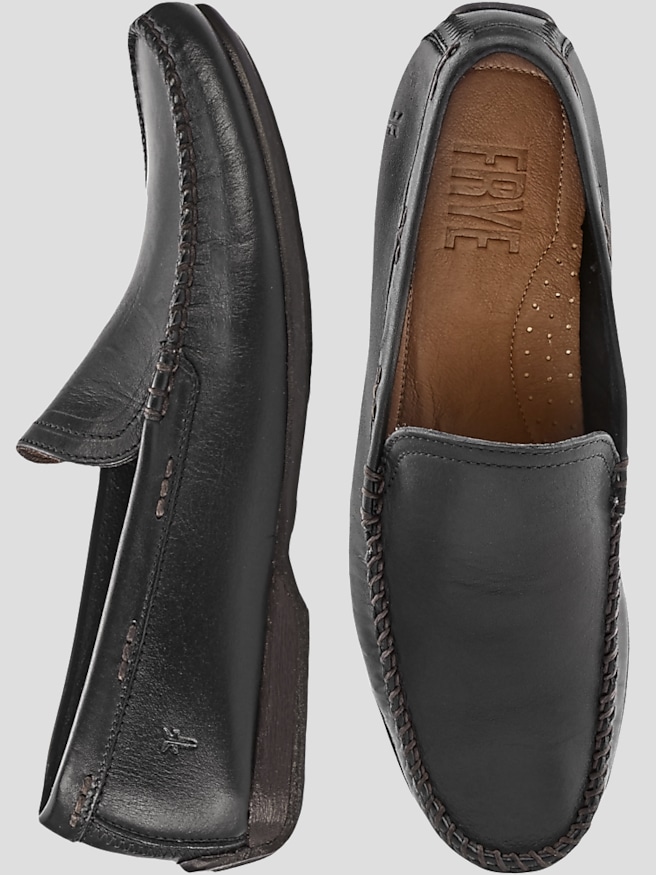
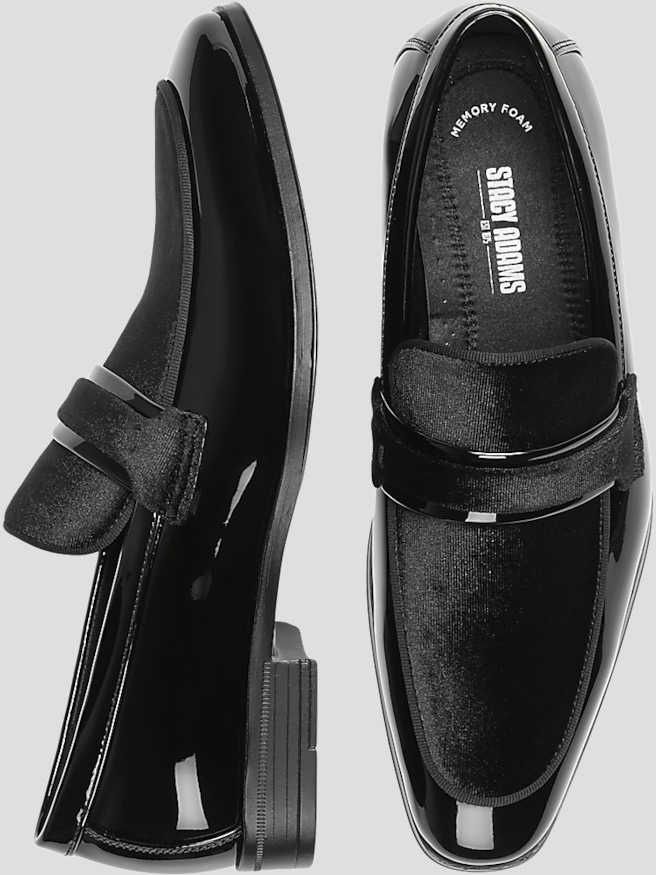
Lug loafers combine a classic slip-on upper with a substantial outsole featuring deep grooves and raised tread blocks, known as lugs. That combination gives the familiar loafer shape a more pronounced profile and can provide additional grip, depending on the sole material, tread design, and walking surface. The upper typically retains recognizable details such as a penny strap, tassels, or a clean apron seam, while the thicker sole adds visual weight beneath the foot. Compared with Traditional Loafers, which often have a slimmer sole and a more understated outline, lug-sole styles bring a stronger, more casual presence to an outfit. Their appeal lies in that balance: the ease of a slip-on shoe, the familiar appearance of a loafer, and an outsole that feels visually closer to a substantial everyday shoe. Black leather creates a crisp contrast with gray trousers, dark denim, or olive chinos, while brown leather adds warmth alongside navy, tan, and other earth tones. A smooth finish can complement a button-down shirt and an unstructured blazer; a textured upper works naturally with knitwear and casual pants. Proportion matters as much as color. Straight-leg trousers and gently tapered chinos generally leave enough room for the sole’s broader shape, while an extremely narrow pant opening can make the shoe appear oversized. A clean hem that rests near the top of the upper keeps the silhouette deliberate rather than crowded with excess fabric. For offices with a relaxed dress code, dinners, gallery visits, and everyday plans that call for something more polished than sneakers, lug loafers offer a useful middle ground. They are generally less suited to strict formal dress codes, where a sleek dress shoe better matches the occasion. The result is a versatile category with a distinct personality, especially for men who prefer classic clothing with a little more substance at ground level.
Materials and construction influence how lug loafers feel just as much as their appearance. Smooth leather can develop creasing and character through regular use, while suede has a softer, more textured finish that brings a relaxed quality to tailored separates. Synthetic uppers have their own care requirements and flexibility characteristics, so the material description matters when considering how a pair will fit into a routine. Outsoles also vary: dense rubber may feel substantial underfoot, while some lightweight compounds create a similarly chunky outline with less weight. Thickness alone does not establish cushioning, flexibility, or long-term comfort. The footbed, lining, sole construction, and placement of flex points all contribute to the experience of walking across an office, standing through a reception, or heading between appointments. Because loafers have no laces to adjust, a secure fit through the instep and heel is particularly important. The upper should hold the foot without pinching, and the toes need room to rest naturally rather than press against the front or sides. Slight heel movement can occur in some new loafers, but repeated slipping, rubbing, or the need to grip with the toes can signal a poor match. Leather may soften with wear, yet break-in should not be expected to correct cramped toe space or the wrong size. Socks affect the fit as well: a pair worn comfortably with thin dress socks may feel tighter with a thicker knit. No-show socks can create a bare-ankle appearance while adding a layer between the foot and lining. For a workday that includes walking and standing, the most suitable lug loafers balance a secure upper with manageable weight and comfortable flexibility. Deep tread does not guarantee traction on every surface, and a fashion-oriented lug sole should not be assumed to meet workplace slip-resistance requirements. Those distinctions help separate the bold appearance of the shoe from the performance needed for a particular setting.
Regular care helps preserve the shape, texture, and finish that make lug loafers appealing. Smooth leather generally benefits from surface cleaning with a soft cloth, followed by a leather conditioner or polish appropriate to its finish when needed. Suede calls for a dedicated brush and products intended for its nap; ordinary leather cream can flatten the texture or leave marks. Material-specific care directions are especially important for coated leather, mixed-material uppers, and synthetic finishes. The outsole deserves attention, too, since deep grooves can collect grit and small debris. A soft brush can reach between the tread blocks without scraping the upper, and cleaning products should be kept compatible with both the sole and the material above it. Shoe trees can help leather loafers retain their shape between wears, while a shoehorn reduces the repeated pressure that can crush the heel counter when slipping them on. Allowing time between wears gives the interior a chance to air out, and storage away from direct heat helps protect the materials. Durability depends on more than a thick sole: stitching, the bond between upper and outsole, lining quality, and wear patterns all play a role. Some constructions allow professional sole replacement, while others do not, making repairability a separate consideration from appearance. Lug loafers can also make a thoughtful gift for someone who already wears slip-on shoes and favors chinos, denim, or relaxed tailoring. Familiarity with the recipient’s size, width, preferred colors, and tolerance for a heavier shoe is more useful than choosing solely by the tread’s appearance. A subtle penny-loafer upper may suit someone with a restrained wardrobe, while prominent stitching or a broader sole can appeal to someone who enjoys stronger proportions. Whether chosen for everyday office dressing, social plans, or a more polished casual wardrobe, the strongest match brings together a comfortable fit, materials suited to the wearer’s routine, and a silhouette that feels natural with the clothes already in rotation.