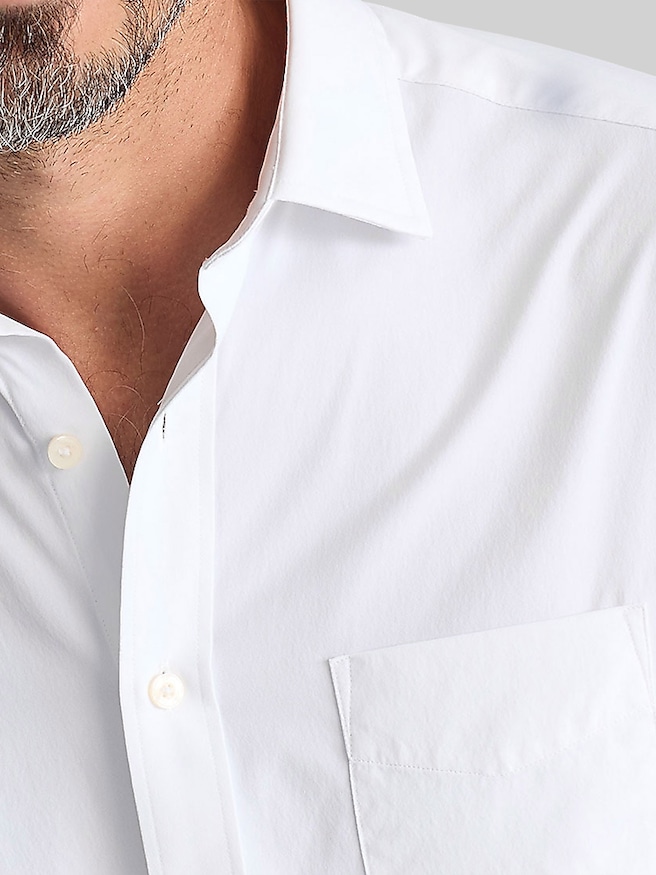
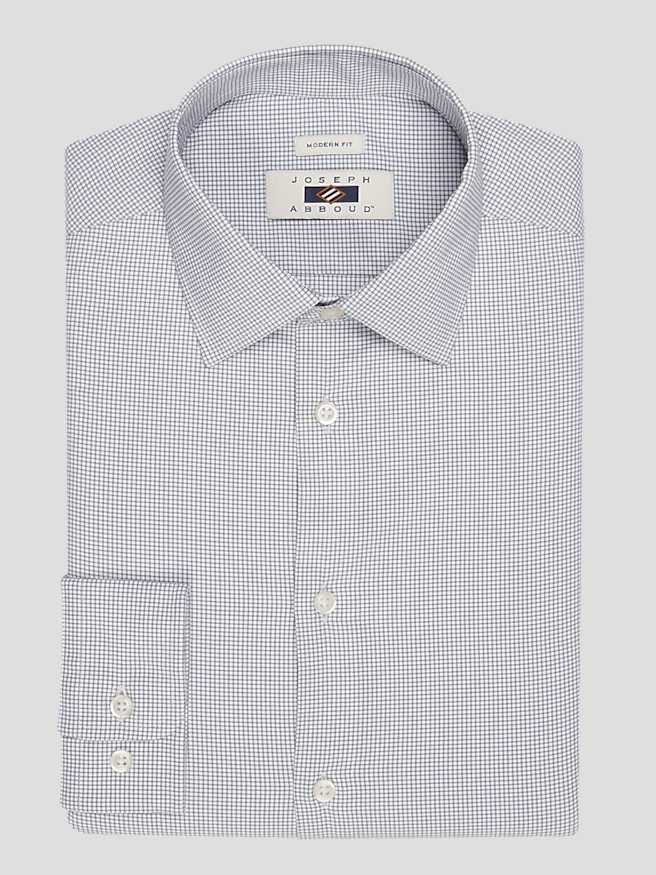
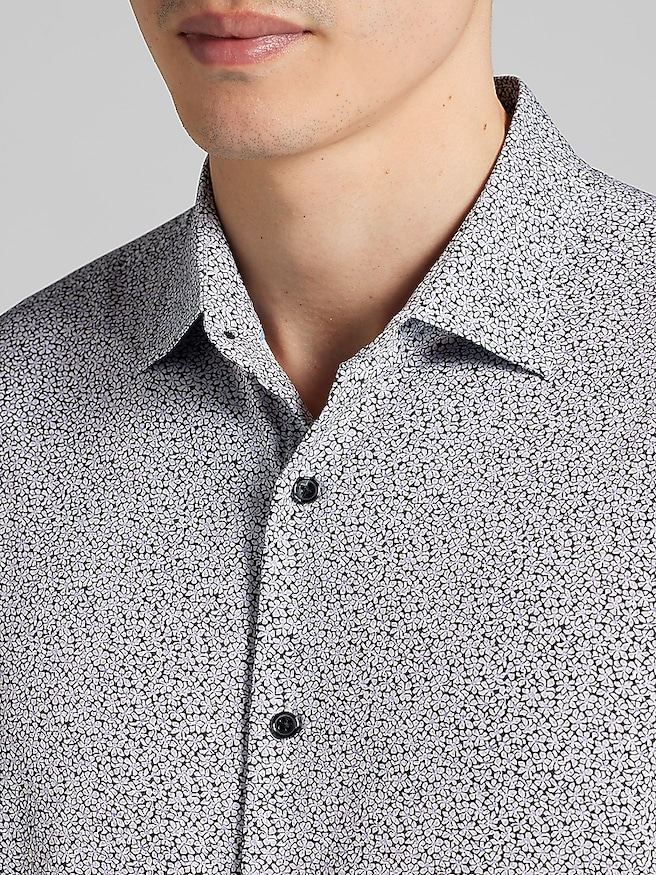
Long sleeve work shirts combine full-length sleeves, a structured collar, and a button-front design to create a dependable foundation for workplace dressing. They suit a range of settings, from offices where a tie is standard to customer-facing roles that call for a polished shirt with chinos. The right choice depends on the dress code, the amount of movement a workday involves, and how much upkeep fits into a regular laundry routine. Fabric makes a noticeable difference in both appearance and feel. Cotton offers a familiar, breathable feel against the skin, while cotton blends can bring easier care, improved shape retention, or less wrinkling, depending on their construction. A small amount of stretch can provide useful give when reaching across a conference table, driving between appointments, or spending hours at a desk. Weave matters as much as fiber content: poplin generally has a smooth, crisp surface that pairs naturally with tailored clothing; Oxford cloth has a more visible texture and a relaxed character; and twill has a subtle diagonal pattern that can give a shirt a substantial feel and an appealing drape. Fabric weight also affects how a shirt hangs and whether it feels more appropriate with dress pants or casual trousers. A tightly woven fabric may look neat under a jacket, while a textured weave can hold its own without another layer. Solid white and blue are straightforward choices for professional wardrobes, while restrained stripes and small checks add interest without overwhelming a suit or patterned tie. Darker shades can create a more understated look, though the workplace dress code should set the direction. Wrinkle-resistant and non-iron descriptions refer to fabric treatments or construction intended to reduce upkeep, not a promise that every crease will disappear. For industrial or regulated settings, ordinary long sleeve shirts should not be treated as substitutes for garments with required protective ratings. Office-ready polish and specialized jobsite protection serve distinct purposes, even when both begin with a long sleeve silhouette.
Fit is what allows a long sleeve work shirt to stay comfortable and look composed through a full schedule. A collar should fasten without pressing tightly against the neck, especially when worn with a tie, and the shoulder seams should sit close to the natural edges of the shoulders rather than dropping down the upper arms. Across the chest and midsection, the fabric needs enough ease for sitting, reaching, and bending without the buttons pulling apart. Excess fabric can be just as distracting, bunching above a waistband or gathering beneath a jacket. A slim fit generally follows the torso more closely, while a classic or roomier fit leaves additional space; those labels are not standardized, so actual measurements matter more than the name alone. Sleeve length deserves particular attention for anyone who works at a keyboard or regularly wears a suit jacket. With the arms relaxed, the cuff should sit near the wrist, and it should not retreat far up the forearm when reaching forward. Adjustable button cuffs can help accommodate a watch, while cuffs designed for cuff links create a more formal finish. Shirt length also changes how a garment functions. A longer, curved hem usually works best tucked into trousers, giving the shirt enough length to stay in place through ordinary movement. Shorter hems may suit an untucked workplace look when the dress code permits it. Collar shape helps establish the overall tone: a point or spread collar can frame a tie neatly, while a button-down collar often works well for business-casual dressing. The most useful combinations are easy to picture in an actual workday—a solid shirt beneath a navy jacket for a presentation, a subtle check with chinos for a team meeting, or a textured cotton shirt with neat trousers for a client lunch. Patterns and proportions should support the outfit rather than compete with it, leaving the face, not the shirt, as the focal point.
Durability in long sleeve work shirts comes from the relationship between fabric, construction, fit, and care. Closely finished seams, securely attached buttons, and neatly constructed collars and cuffs are details worth examining because these areas experience repeated movement and contact. A shirt that pulls tightly across the back or strains at the elbows places extra stress on seams, while an appropriate fit allows the fabric to move more freely. Collars and cuffs also tend to show everyday wear first, particularly where skin oils, watches, and desk edges make contact. Following the care label is the best starting point for maintaining the shirt’s appearance, since cotton, blended fabrics, stretch fibers, and easy-care finishes can have distinct laundering requirements. Prompt attention to marks around the neckline and cuffs can help keep buildup from becoming harder to remove. Washing with similar colors, avoiding an overloaded machine, and using the recommended drying method can help preserve both color and shape. Removing a shirt promptly after drying and hanging it on a supportive hanger helps limit creasing; any ironing should follow the temperature guidance on the label. Even an easy-care shirt may benefit from a quick touch-up at the collar or button placket before an important meeting. Rotating shirts between wears gives each garment time for laundering and inspection rather than repeatedly relying on the same one. For a practical wardrobe, a few compatible colors and patterns make it easier to dress consistently without assembling every outfit from scratch. The broader category of Men's Work Shirts can provide context for matching shirt styles to the level of formality a workplace expects. Long sleeve shirts can also make thoughtful gifts for a recent graduate, someone starting a new position, or a person refreshing a professional wardrobe, provided the neck size, sleeve length, fit preference, and care habits are known. The strongest choice is one that feels natural through an ordinary workday and still looks considered when an unexpected introduction or meeting calls for a good impression.