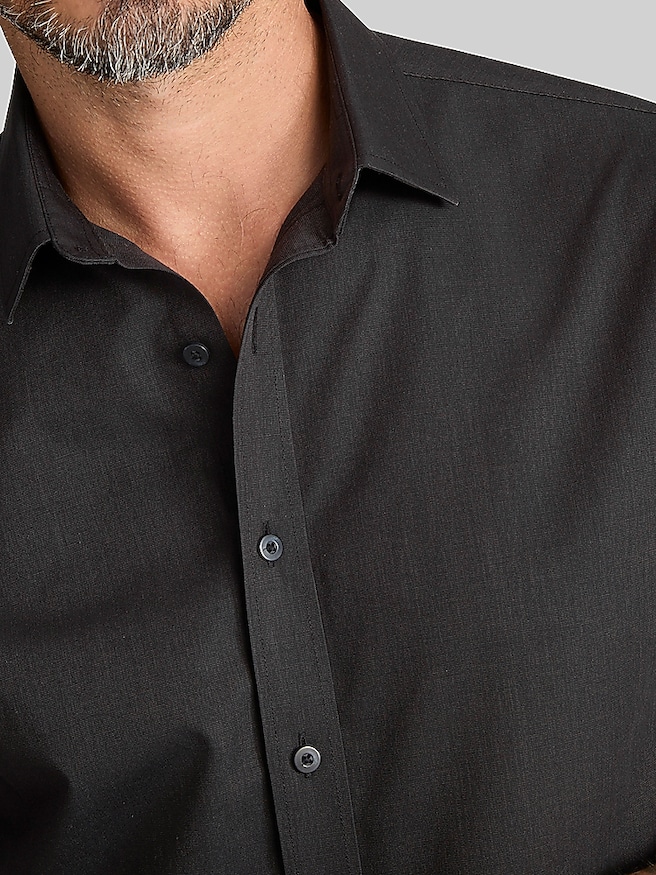
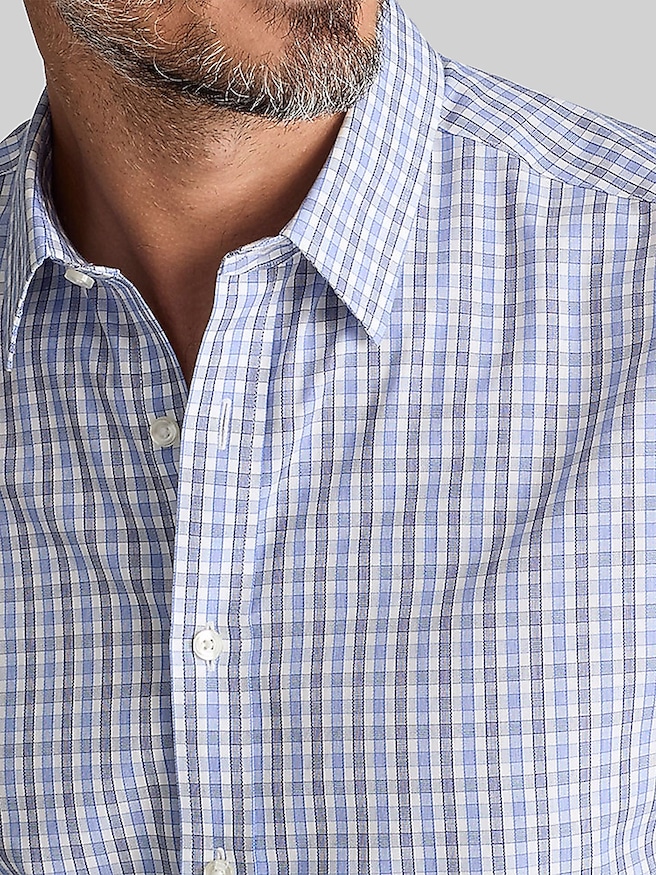
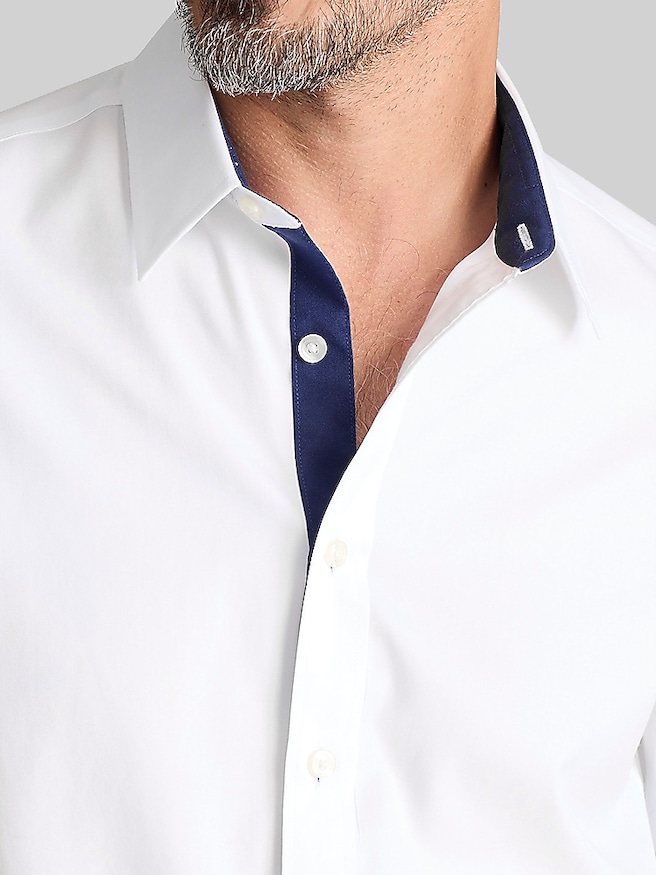
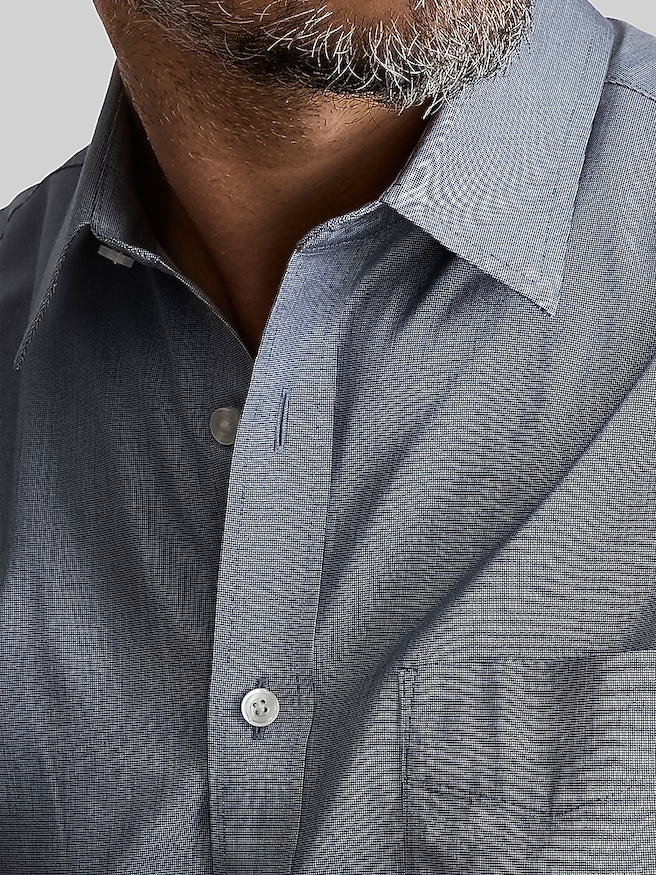
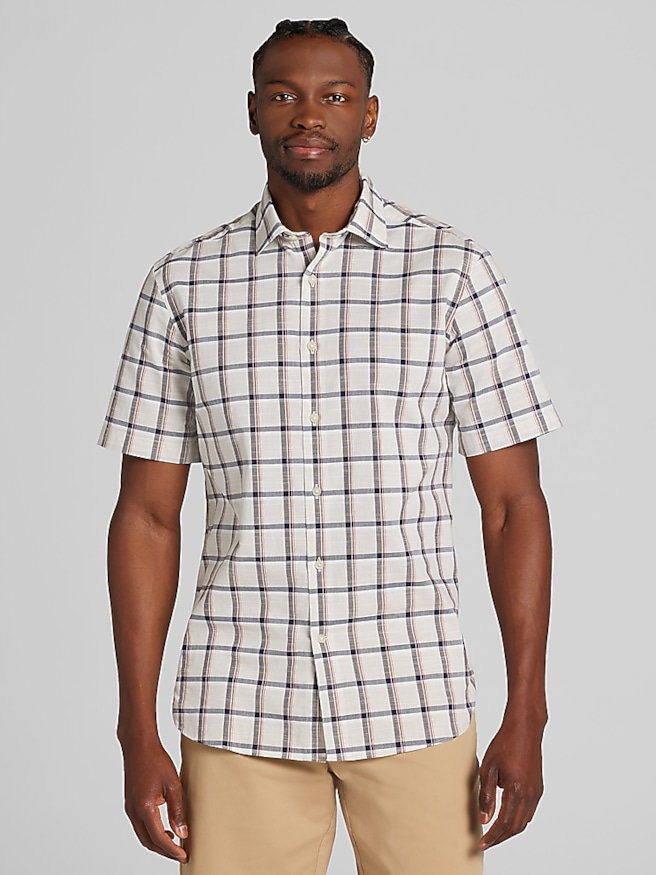
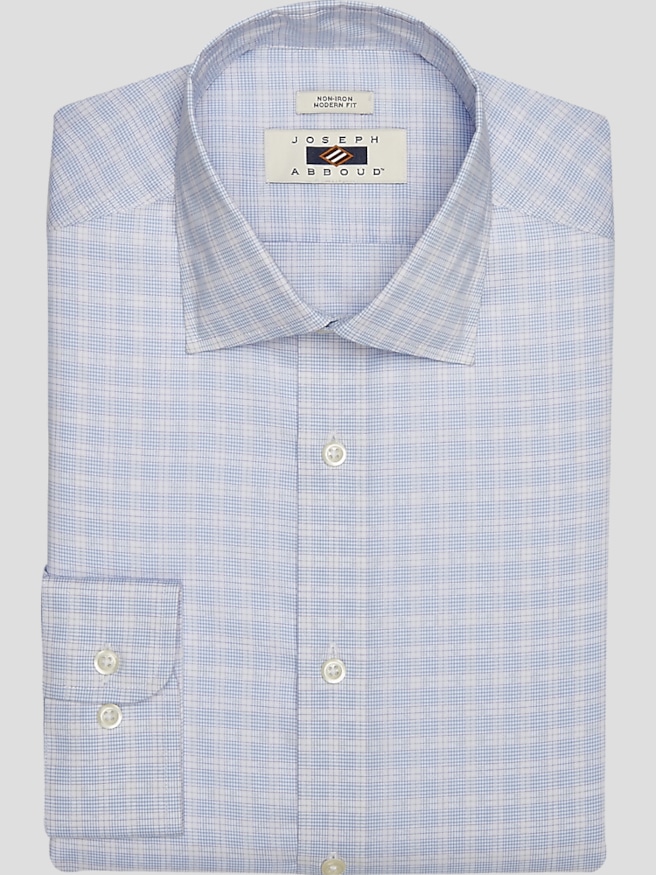
Long sleeve plaid shirts bring pattern, structure, and an easygoing character to everyday dressing. Their intersecting lines can feel understated or expressive, depending on the size of the check, the contrast between colors, and the texture of the cloth. A small navy-and-gray plaid reads differently from a broad red-and-black pattern, even when the shirts share a similar shape. Fine checks create a quieter effect beneath a jacket, while larger blocks of color give a shirt enough presence to anchor a simple outfit of jeans and leather shoes. Plaid describes the pattern rather than the fabric, so a plaid shirt is not necessarily flannel. Smooth cotton can have a clean surface suited to casual office settings, while brushed cotton has a softer, more textured feel. Twill adds subtle diagonal texture and often has a substantial hand; lighter plain weaves can feel crisp without looking stiff. Cotton blends may contribute wrinkle resistance or help a shirt hold its shape, depending on the fibers and construction. A small amount of stretch can add flexibility when reaching for a bag or sitting through a long meeting, although it does not replace a comfortable fit. These distinctions give long sleeve plaid shirts a place in everything from a relaxed dinner outfit to a polished, casual workplace wardrobe. The appeal of men's plaid shirts also lies in how naturally the pattern works with familiar wardrobe pieces. Dark denim lets a multicolor check stand out, while chinos can pick up one of the quieter shades in the fabric. An olive line within a navy plaid, for example, can connect naturally with olive trousers without making the outfit look deliberately matched. The result is clothing with visual interest that remains practical for an ordinary day, whether that means commuting, meeting friends, or spending an afternoon with family.
Fit determines whether a long sleeve plaid shirt looks neat, feels restrictive, or has the relaxed drape intended for casual wear. Shoulder seams generally sit close to the edge of the shoulder in a conventional fit, with enough room through the chest and upper back for comfortable movement. A closer cut creates a cleaner outline beneath a blazer, while a roomier shape can accommodate an undershirt without pulling across the buttons. Stretching forward to reach a steering wheel or crossing the arms can reveal tightness that is less obvious when standing still. Sleeves should allow the elbows to bend comfortably, and the cuffs should sit securely at the wrists without gripping them. A cuff that stays in place also keeps excess sleeve length from slipping over the hand. Shirt length matters just as much as width: a longer hem helps a tucked shirt stay put through sitting and standing, while a shorter, balanced hem can look more intentional worn loose. Collar construction changes the overall impression, too. A button-down collar keeps its points anchored for a tidy, casual look, while an unbuttoned spread or point collar can frame the neckline beneath a jacket. Chest pockets, contrasting buttons, and visible stitching contribute to a shirt's character, though a quieter design often works more easily in a workplace outfit. For an office that permits casual shirts, a small-scale plaid with tailored chinos and loafers can feel considered without becoming formal. For a meal out, dark jeans and clean boots give a bolder check a straightforward foundation. Long sleeves can remain buttoned for a finished appearance or be folded neatly below the elbow when the setting allows. When another patterned piece enters the outfit, differences in scale help keep the combination readable; a fine check shirt beneath a jacket with a subtle, larger pattern is usually less visually busy than two equally bold patterns competing for attention. A solid undershirt, sweater, or jacket offers an even simpler way to let the plaid carry the outfit.
Lasting wear depends on both construction and care, especially for a shirt that moves regularly between workdays and time off. Secure buttons, even stitching, and well-finished seams help support repeated use, while reinforced stress points can be useful around pocket corners and sleeve openings. Pattern alignment at prominent seams or across a pocket can create a more continuous appearance, although construction methods and design choices vary. The fabric's care label remains the best reference for washing, drying, and ironing because two shirts with similar checks may contain different fibers or finishes. Washing with like colors helps limit unwanted color transfer, and prompt attention to a spill can keep a small mark from becoming more difficult to remove. Excessive dryer heat can contribute to shrinkage or wear in some fabrics, so the recommended drying method matters as much as the wash setting. Removing a shirt promptly after drying and smoothing the collar, placket, and cuffs can reduce creasing before it reaches the hanger. Brushed fabrics benefit from gentle handling that protects their soft surface, while crisp woven fabrics may need light pressing to restore a clean finish. A loose button or small opening in a seam is often easier to address before it becomes a larger repair. With consistent care, a well-chosen plaid shirt can become a familiar part of a weekly rotation rather than something reserved for a particular occasion. That everyday usefulness also makes long sleeve plaid shirts thoughtful gifts for a partner, father, brother, friend, or recent graduate building a practical wardrobe. The strongest choices reflect the recipient's habits: a restrained check for someone who wears chinos most days, a more pronounced pattern for someone drawn to denim, or a soft texture for someone who prioritizes comfort. Knowing a preferred size and fit is more useful than guessing from appearance alone. Familiar colors and manageable care requirements help make the gift feel personal while supporting the way the recipient actually dresses.