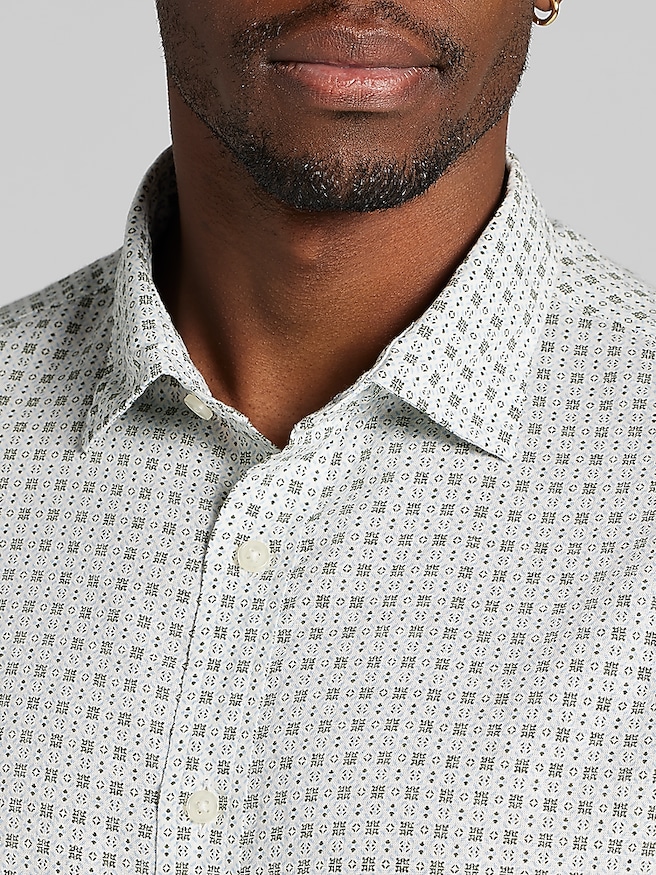
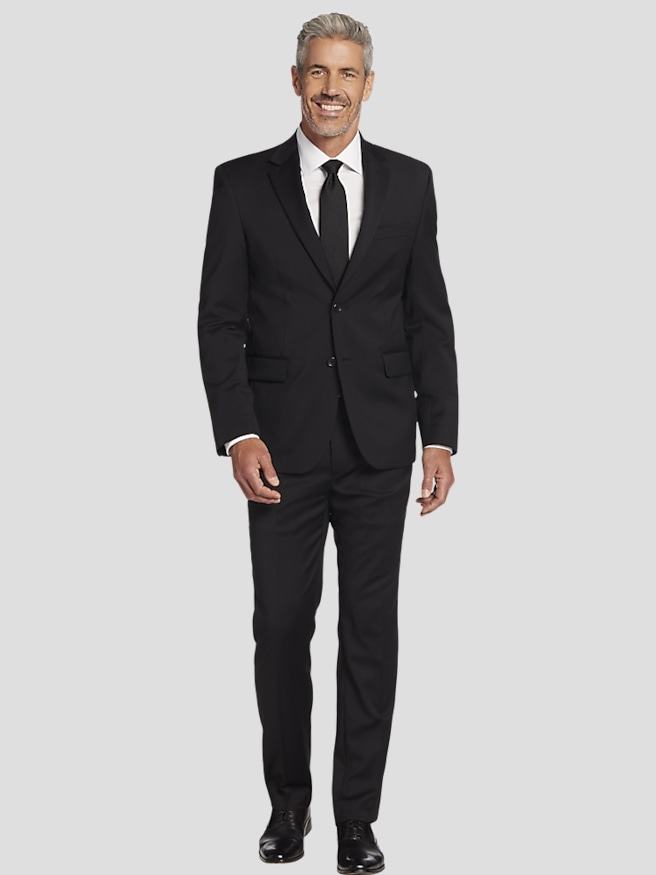
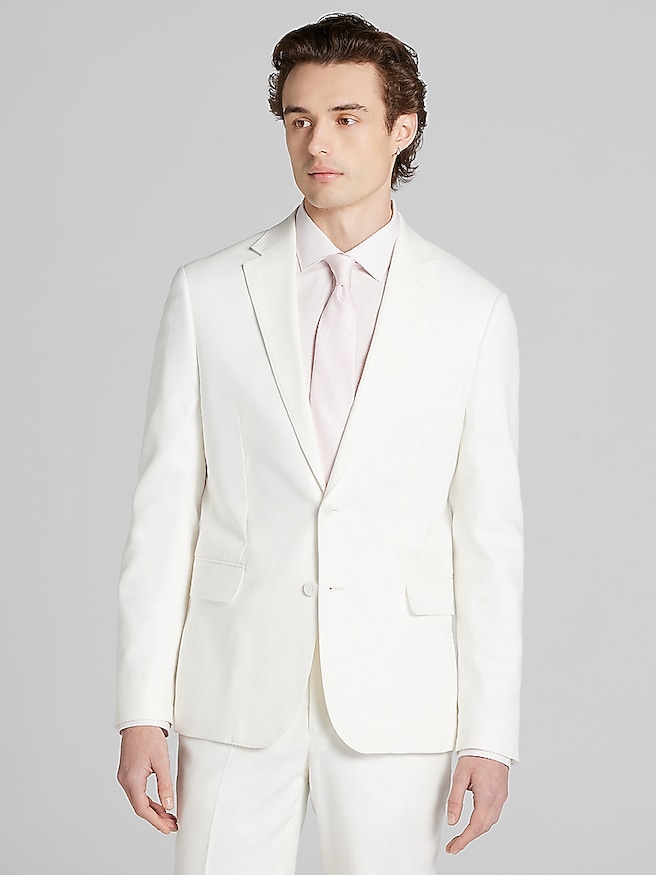
Linen outerwear is a category of layering pieces made from linen or linen-blend fabrics, valued for their breathable construction, distinctive texture, and relaxed appearance. Made from the flax plant, linen has a naturally varied surface that gives even a simple jacket depth without relying on bold patterns or decorative details. Its characteristic creases are part of that appearance: a slight bend at the elbow or a soft fold across the back adds to the fabric’s easy character rather than making it look unfinished. The overall effect depends on more than fiber content, however. Fabric weight, weave, lining, and tailoring all influence how a layer feels and falls. An open weave with minimal lining generally allows more air circulation, while a denser fabric or fully lined construction can feel more substantial and hold a sharper shape. Pure linen often has a crisp hand that becomes softer with wear and appropriate care. Blends introduce other qualities; cotton can give the fabric a smoother feel, while other fibers may alter its stretch, drape, or resistance to creasing. For a related approach to textured layering, linen cotton jackets combine the character of flax fibers with the familiar feel of cotton. Across these constructions, linen outerwear works especially well when the goal is to look considered without appearing overly formal. A softly tailored layer can bring definition to a knit polo and trousers for a restaurant dinner, while a more relaxed shape feels natural over a simple shirt for a museum visit or an afternoon gathering. Linen’s visible texture also makes understated colors feel richer: navy gains dimension, stone looks less flat, and earthy shades develop subtle variation as the cloth moves. The result is clothing that contributes shape and texture to an outfit without needing to become its focal point. That balance makes linen useful for men who want an adaptable layer for social occasions, travel, and workplaces where a full suit would feel too formal.
Fit has a considerable effect on how linen outerwear looks after several hours of wear. The fabric usually looks best with enough room to drape rather than pull, but relaxed should not mean shapeless. On a tailored shoulder, the seam should sit close to the natural shoulder edge; intentionally dropped shoulders follow a different silhouette and should be judged by the overall design. Across the chest and upper back, there should be room to reach forward, sit comfortably, and move without strong horizontal tension lines. Fastening the front should not make the fabric strain around the closure or cause the lapels to bow away from the chest. Trying a layer over the type of shirt normally worn underneath gives a more useful sense of fit than trying it over something unusually thin or bulky. Linen itself generally has little stretch unless the fabric or construction adds it, so freedom of movement matters from the start. Choosing a larger size solely to create an easy look can leave sleeves too long and shoulders too broad; comparing garment measurements and checking the intended cut is a better approach. Length also changes the impression. A shorter, straighter silhouette can sit neatly over casual trousers, while a longer, tailored shape creates a more continuous line through the torso. Sleeve openings should accommodate a shirt cuff without bunching, and pockets should remain relatively flat rather than carrying enough weight to distort the cloth. For styling, contrast is often more effective than matching every texture. Smooth cotton trousers can balance a visibly slubbed linen layer, and a fine-gauge knit can soften the lines of a structured collar. With denim, a clean finish keeps the combination composed. With tailored trousers, an open-collar shirt maintains an approachable feel. The occasion still sets the standard: linen outerwear can support a polished dress code, but its casual texture does not automatically make it appropriate for every formal event.
Care begins with the garment’s label, because linen outerwear may contain more than the visible shell fabric. Linings, shoulder structure, interfacing, buttons, and trim can require a cleaning method different from what an unstructured piece of linen cloth would tolerate. A washable linen layer and a tailored jacket labeled for professional cleaning should not be treated alike. When washing is permitted, follow the specified water temperature and cycle, and avoid crowding the machine so the fabric can move freely. Aggressive washing and excessive dryer heat can contribute to shrinkage, deep creasing, or changes in shape. Follow the drying instructions rather than assuming that every linen blend can be tumble-dried. For pieces that allow ironing, checking the recommended setting and using a pressing cloth can help protect the surface; any guidance for the blend, lining, or trim takes priority over a general linen setting. Steaming may ease light wrinkles where the care instructions permit it, though it will not necessarily produce the crisp finish of pressing. There is also no need to chase every crease. Keeping the collar, front edges, and pocket openings neat often does more for the overall appearance than trying to make the entire garment perfectly smooth. Between wears, empty the pockets, allow the garment to air, and use a suitably shaped hanger to support the shoulders. Address marks promptly according to the care label instead of rubbing the surface hard, which can disturb the weave or spread a stain. Linen fibers are strong, but a garment’s longevity also depends on fabric density, seam quality, fit, and the friction it encounters in everyday use. Avoiding an overstuffed bag against the same area and giving a frequently worn layer a break can help preserve its appearance. As a gift, linen outerwear suits someone who appreciates tactile fabrics and understated clothing, particularly when their preferred fit and care habits are already known. A comfortable cut and manageable cleaning routine are more useful than an ambitious style choice that rarely leaves the closet.