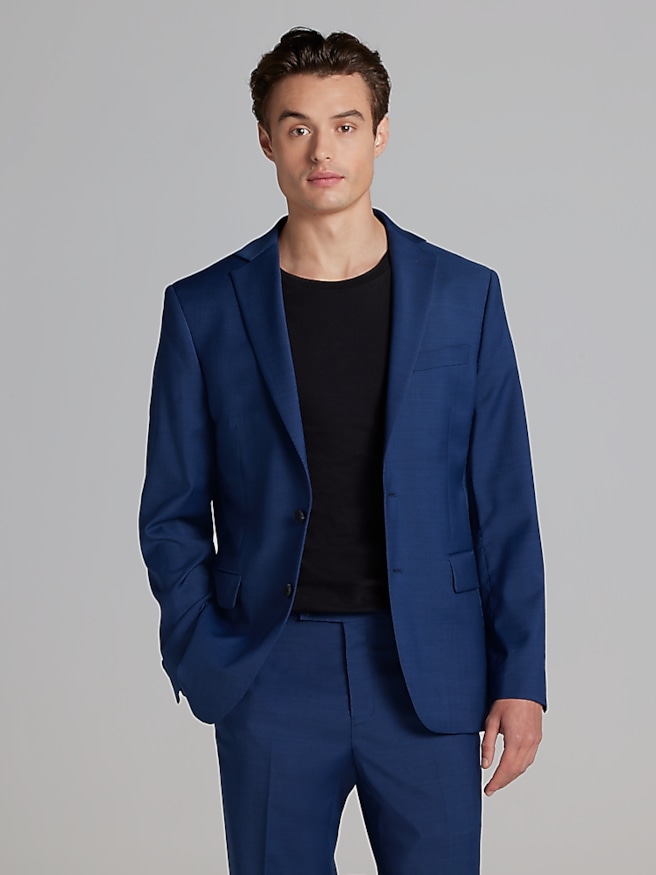
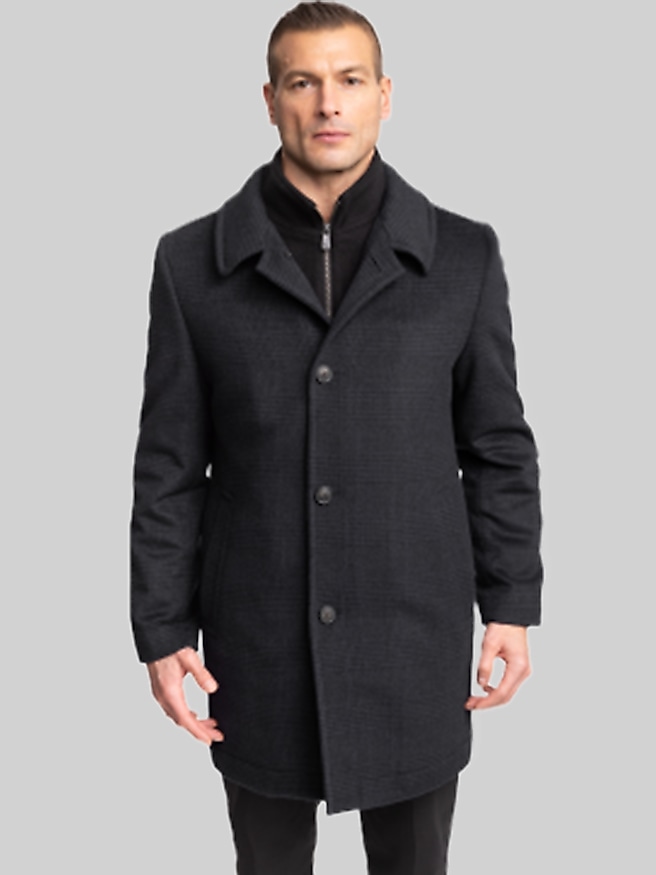
Lined jackets pair an outer shell with an interior layer that improves comfort, helps the jacket move over clothing, and, depending on the construction, adds warmth. The lining matters because it changes how a jacket feels against the body, how easily it layers, and how much bulk it carries. A smooth woven lining can make a jacket easier to pull on over a sweater without catching at the sleeves. Brushed cotton, flannel, and fleece linings generally create a softer, warmer feel, while quilted linings may hold an insulating fill in place. A lining alone does not make a jacket insulated, waterproof, or windproof; those qualities depend on the shell, any added insulation, and the way the garment is assembled. For everyday wear, the useful distinction is between a jacket that simply feels finished inside and one designed to retain more body heat. Outer fabrics contribute just as much to the experience. Cotton twill has a familiar, substantial feel that works well with casual clothing, while wool blends can lend texture and a more polished appearance. Nylon and polyester shells can provide a lighter feel and resist abrasion, although weather protection varies with the fabric and finish. Leather offers a distinct surface and develops character with wear, but its care needs differ from those of washable fabrics. Inside, polyester or viscose linings often provide a smooth surface, while cotton linings tend to feel less slick. These combinations suit different routines: a short walk from a parking garage calls for something different from a long stretch outdoors at a weekend gathering. Someone who spends much of the day driving may appreciate a lighter lining and an easy-moving cut, while someone walking several blocks between stops may prefer more insulation and coverage. The most practical lined jacket balances its outer fabric, interior construction, and intended use rather than relying on thickness alone. Even jackets with similar silhouettes can feel quite different once a shirt or knit layer is underneath.
Fit determines whether that lining feels comfortable or restrictive. A lined jacket needs enough room for the clothing worn beneath it without looking loose through the shoulders or ballooning at the waist. With a shoulder seam designed to sit at the shoulder edge, it should stay close to that point rather than pulling inward across the upper back. The front should close without strong horizontal tension, and the sleeves should allow the elbows to bend comfortably. Reaching for a steering wheel, carrying a briefcase, or sitting through a train ride makes restricted movement more noticeable than standing in front of a mirror. Thicker linings take up interior space, so two jackets with similar exterior measurements may not offer the same room inside. A clean fit over a lightweight shirt may feel too close over a textured sweater, especially around the upper arms and chest. Sleeve linings deserve attention here: a smooth surface can help a knit sleeve settle into place instead of bunching near the elbow. Length also changes the look and function. A shorter hem can feel less cumbersome when seated, while additional length provides more coverage and can sit neatly over longer layers. For everyday combinations, lined jackets work with dark denim, chinos, corduroy pants, and casual trousers, with the outer fabric setting the level of formality. A matte cotton shell and an easy silhouette tend to read casually; a refined wool blend and a cleaner front can look more at home over a collared shirt. Lining and tailoring are separate qualities: Structured Jackets emphasize a defined shape, while a lined interior may appear in either a relaxed or a more tailored design. The two can overlap, but neither term guarantees the other. Details such as a stand collar, adjustable cuffs, or a ribbed hem can change how closely a jacket sits at its openings. Pocket placement matters, too, particularly when carrying keys or a phone, since bulky contents can interrupt the silhouette or pull against the lining.
Durability depends on both layers holding up to repeated wear. The shell takes most of the contact from bag straps, seat belts, and everyday surfaces, while the lining handles friction from clothing and movement. Secure seams, neatly finished pocket openings, and a lining that does not pull tightly when the arms move are useful signs of thoughtful construction. A small amount of ease in the back lining can accommodate motion; excess fabric that twists inside the sleeves can be uncomfortable. Zippers and snaps should operate smoothly without catching the inner fabric, and pocket bags should feel secure rather than strained when used normally. Care is equally important because a jacket may combine materials with different cleaning requirements. The care label is the best starting point, even when the outer fabric looks familiar. A cotton shell does not necessarily mean the entire garment is machine washable, and leather, wool blends, insulated constructions, and mixed-material trims may need specialized treatment. When washing is permitted, following the specified cycle and drying method helps protect the jacket’s shape and interior finish. Insulated jackets may have particular drying instructions to keep the fill evenly distributed. Letting a damp jacket dry fully before storage helps keep the interior fresh, and a supportive hanger can reduce distortion at the shoulders. Small lining tears are worth addressing before they spread, particularly around armholes and pockets where movement creates stress. For men who rotate between office days, travel, errands, and informal evenings out, a lined jacket can serve as a dependable outer layer without requiring the same styling as a full-length coat. It can also make a thoughtful gift for a father, partner, brother, or friend when the choice reflects how he dresses. Someone who wears knitwear frequently may value smooth sleeves and room through the chest, while someone drawn to casual textures may appreciate a brushed interior. Matching those everyday habits, along with his usual size and preferred jacket length, makes the gift more personal than choosing by appearance alone.