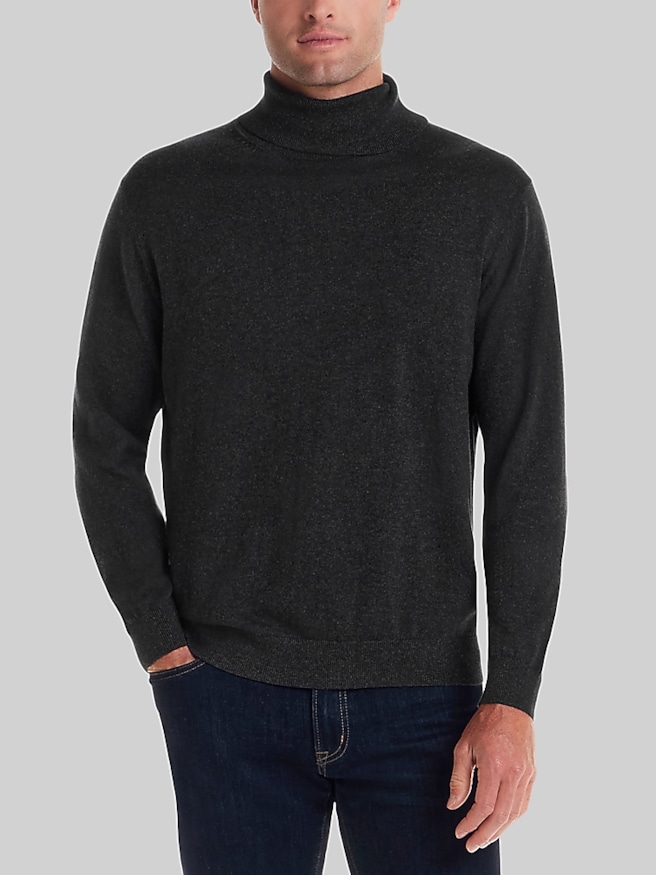
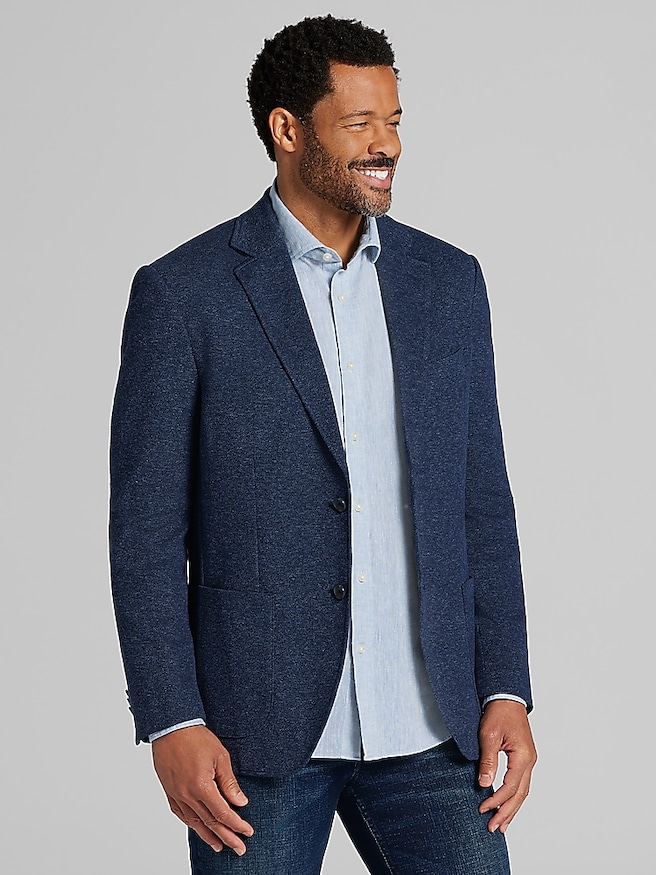
Lightweight turtlenecks for blazers create a sharp, streamlined look by adding a smooth knit layer without the bulk of a heavier sweater. The combination brings together the clean lines of tailoring and the softer feel of knitwear, making it useful for business-casual settings, dinners, gallery openings, and other occasions that call for a little polish without a shirt and tie. A fine-gauge knit, recognizable by its small, even stitches, generally sits more neatly beneath a jacket than a chunky or heavily textured construction. That distinction matters across the shoulders, beneath the arms, and along the blazer’s front, where excess fabric can interrupt the drape. Materials affect both the appearance and the feel of the finished outfit. Merino wool can offer a refined surface, natural elasticity, and a soft drape, although comfort against the neck depends on the fiber quality and individual sensitivity. Cotton often has a familiar, comfortable feel and a more matte appearance, while blends may combine softness with added stretch or shape retention, depending on their composition. A small amount of elastane can help a close-fitting knit move with the body, but fabric content alone does not determine comfort. Yarn quality, stitch construction, seams, and finishing all contribute. The neckline deserves particular attention because it remains in direct contact with the skin: a flexible fold that rests comfortably is easier to wear than one that grips or needs repeated adjustment. Ribbing at the neck, cuffs, and hem can help define the silhouette without making the sweater look heavy. For anyone drawn to Comfortable Turtlenecks, a soft hand and freedom of movement are just as important as a polished appearance. The result should feel like an integrated outfit rather than a jacket pulled over an overly substantial layer, with the knit lying smoothly from the neckline to the waistband.
Fit determines how well a lightweight turtleneck and blazer work together. A sweater that follows the torso without pulling gives the jacket room to fall naturally, while an excessively loose fit can gather at the waist or push into the armholes. At the other extreme, stretched fabric across the chest or upper arms can make the knit appear strained and may restrict movement. Shoulder seams that sit close to the natural shoulder line usually create a cleaner foundation beneath tailoring. Sleeve length also matters: fabric bunching at the wrist can interfere with a blazer cuff, while sleeves that ride up repeatedly can make the outfit feel unfinished. The relationship between the two layers becomes especially noticeable when sitting at a desk, reaching for a bag, or settling into a restaurant chair. A comfortable pairing allows those ordinary movements without the sweater twisting or the jacket pulling across the back. Hem length influences the overall line as well. A tucked turtleneck can create a crisp transition into tailored trousers, provided the knit is thin enough to avoid gathering beneath the waistband. An untucked style tends to look more intentional when its hem covers the waistband neatly without hanging conspicuously below the jacket. Color provides another way to shape the effect. Charcoal beneath navy offers subtle contrast, while cream beneath a darker blazer draws attention toward the face. Similar shades can create a quiet, cohesive look, especially when the jacket and knit have distinct textures. A smooth turtleneck can balance a textured blazer without competing with it, allowing the lapels and fabric weave to remain visible. Paired with tailored trousers, the combination suits a dinner reservation or a workplace with a relaxed approach to suiting. With dark denim and a less structured jacket, it feels more informal while retaining a clear sense of finish. The appropriate choice still depends on the occasion’s dress code; a turtleneck is not a substitute for required formal attire.
Long-term wear depends on construction and care as much as the initial fit. Even stitching, secure seams, and ribbed edges that recover after gentle stretching are useful signs of a well-finished knit. Lightweight does not have to mean fragile, but fine yarns can be vulnerable to rough surfaces, sharp jewelry, and repeated rubbing from bag straps. Friction beneath a blazer may also contribute to pilling, particularly around the sides and underarms. Some pilling is a normal result of wear rather than proof that a sweater is poorly made, and any removal method should suit the fabric. Care requirements vary considerably between wool, cotton, and blended knits, so the garment’s care label remains the best reference for washing, drying, pressing, or professional cleaning. When washing is permitted, the recommended water temperature and a gentle process help protect the fabric’s feel and shape. A knit labeled for flat drying benefits from being supported and reshaped rather than suspended while wet, when the weight of retained water can stretch it. Folding for storage can also help prevent hanger marks at the shoulders. These details matter especially for a sweater intended to sit smoothly beneath tailoring, since stretched cuffs or a distorted neckline are difficult to disguise. Between wears, letting the knit rest and checking it for snags helps preserve its appearance without unnecessary handling. For someone who regularly wears blazers, a lightweight turtleneck can be a thoughtful gift with a clear place in an existing wardrobe. Familiar colors, a comfortable neckline, and care requirements that match the recipient’s routine are more useful considerations than an unusual detail that rarely gets worn. It is particularly well suited to someone who appreciates a tailored appearance but prefers the feel of knitwear against the skin. Worn together or separately, these layers offer flexibility for everyday dressing, with their appeal grounded in proportion, texture, and comfort rather than elaborate styling.