Lightweight Men's Jackets


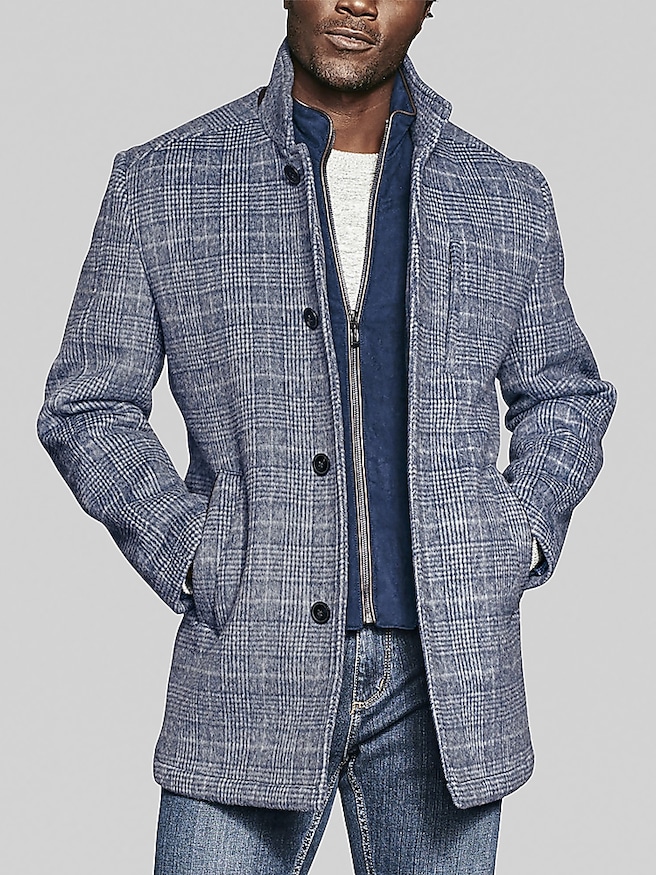
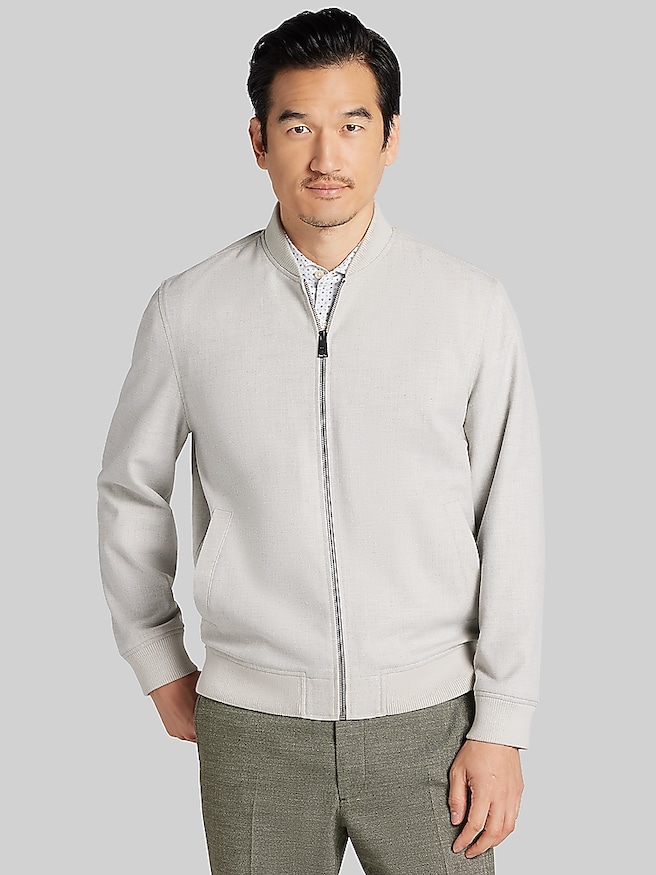
Fit gives a lightweight jacket much of its character. A trim silhouette can look sharp over a polo or fine-gauge knit, while a more relaxed cut leaves space for an overshirt or sweatshirt. The jacket should close comfortably across the chest without pulling into horizontal creases, and the upper back should allow a natural reach forward. On designs with conventional shoulder seams, those seams generally sit near the edge of the shoulder; intentionally dropped shoulders create a looser effect. Sleeve length deserves attention, too. Cuffs that finish near the wrist keep the hands free, while enough room through the forearm helps prevent binding when the elbows bend. Trying a jacket over the kind of shirt worn most often gives a more useful impression than checking it over a thin base layer alone. A few everyday movements reveal plenty: sit down, reach forward, and place both hands in the pockets. The front should not strain, and the collar should remain comfortable against the neck. Length changes the overall balance of an outfit. A shorter jacket creates a clear waistline and pairs naturally with straight-leg jeans or chinos, while a slightly longer shirt-jacket shape offers more coverage and a relaxed profile. For a sporty silhouette with a defined hem, Mens Lightweight Bomber Jackets work well with simple layers that do not crowd the neckline. A plain T-shirt keeps the combination casual; a knit polo and tailored trousers give it a more polished direction. Navy, black, olive, gray, and tan are versatile starting points because they coordinate with many familiar wardrobe colors. Texture can add interest without relying on a bold pattern: matte fabric, a subtle weave, or ribbed trim gives a simple outfit dimension. Pocket placement also affects daily comfort. Zippered pockets can help secure keys on a walk, while an interior pocket offers a separate place for small essentials. Heavily filled pockets can distort a light jacket's shape, so the most practical arrangement is one that carries necessities without weighing down the front.
Durability in lightweight outerwear comes from thoughtful construction rather than weight alone. Even stitching, neatly finished seams, secure pocket openings, and firmly attached buttons or snaps all contribute to how a jacket holds up to repeated wear. High-contact areas deserve particular attention, including cuffs, pocket edges, and the points where straps from a shoulder bag rub against the fabric. A zipper should move smoothly without catching the lining, and closures should be easy to use without tugging hard on the surrounding material. Care requirements are another part of choosing a jacket that suits an everyday routine. The sewn-in care label takes priority because the outer fabric, lining, trim, and any protective treatment may need specific handling. Some lightweight jackets can be machine washed, while others require professional cleaning or more limited washing methods. Emptying pockets and fastening closures as directed before cleaning can help prevent snags. Avoid assuming that high heat, bleach, or fabric softener is suitable; these can affect certain fibers, finishes, or stretch components. For jackets with a water-repellent treatment, follow the manufacturer's instructions for cleaning and maintaining that finish rather than applying a generic treatment without checking compatibility. Between cleanings, prompt attention to small marks and proper drying can keep a jacket looking presentable. Store it clean and completely dry, with enough space to avoid persistent crushing or sharp folds. A supportive hanger suits many structured styles, while a packable jacket should be stored according to its care directions rather than left compressed indefinitely. These practical considerations also make lightweight men's jackets thoughtful gifts for someone who travels frequently, walks to work, or prefers uncomplicated casual dressing. Familiar colors, an established fit preference, and useful pocket details offer better clues than choosing an unfamiliar silhouette simply for novelty. A well-suited jacket earns its place through repeat wear: easy to put on, comfortable through ordinary movements, and polished enough to make a simple shirt-and-pants combination feel finished.
FAQs
Lightweight men's jackets are typically made from materials such as nylon, polyester, and fleece. These fabrics are chosen for their breathability, comfort, and durability, making them ideal for mild weather and layering during transitional seasons.
Lightweight men's jackets are perfect for spring and fall, when temperatures fluctuate and a heavier coat isn't necessary. They’re also ideal for cool summer evenings, early morning outings, or as an extra layer during outdoor activities.
When choosing a casual solid jacket, look for features such as water resistance, wind-blocking capabilities, adjustable cuffs or hems, and breathable lining. These details enhance comfort and versatility, making the jacket suitable for a range of activities and weather conditions.
Yes, lightweight men's jackets are designed to be easily layered over shirts, sweaters, or hoodies. Their streamlined fit and breathable materials make them a practical choice for adjusting to changing temperatures without feeling bulky.
Absolutely. Many lightweight jackets, including designer light jackets and bomber styles, offer a refined look that transitions well from casual settings to more polished environments. Pairing them with chinos or dress pants can instantly elevate your outfit for semi-formal events.