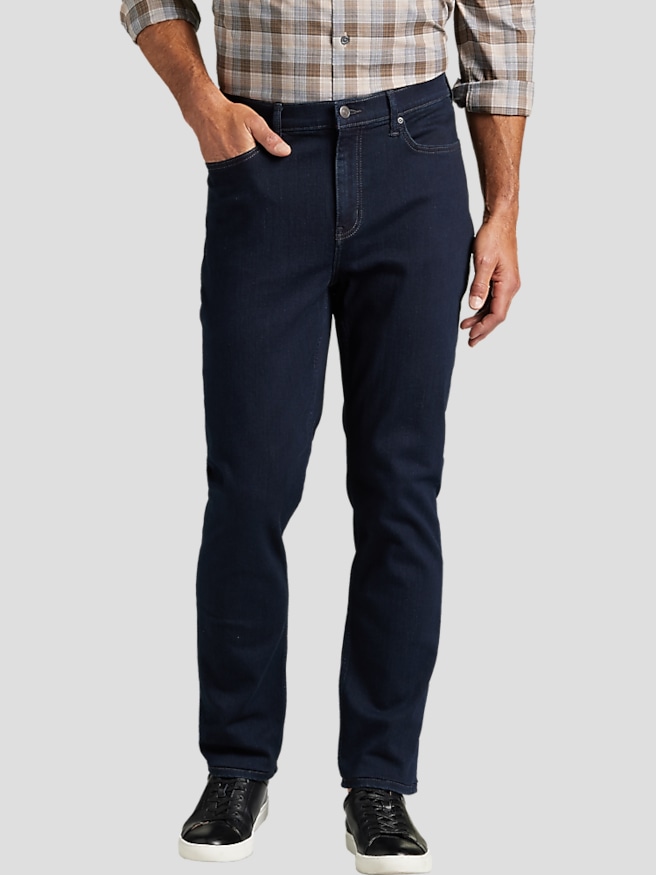
Light wash casual jeans are denim pants with a pale blue or faded indigo finish that gives everyday outfits a relaxed, lived-in character. Their lighter color makes them a natural match for simple T-shirts, casual button-down shirts, knit sweaters, and easy layers, while straight, slim, and relaxed silhouettes offer distinct ways to wear the same laid-back look. The wash describes the color treatment, not the fabric weight or fit: pale denim can feel substantial and structured or soft and flexible, depending on its construction. That distinction matters when choosing jeans for a full day that might include a morning coffee stop, a long drive, and dinner at a neighborhood restaurant. A clean finish with subtle fading keeps the appearance understated, while pronounced whiskering, worn patches, and distressed details create a more rugged impression. For a versatile everyday pair, restrained fading and intact hems tend to work with the widest range of shirts and shoes. Light blue denim looks especially crisp with a white shirt, grounded with navy or charcoal, and warm alongside olive, tan, or brown. During the cooler months, a textured sweater or overshirt adds depth without competing with the faded finish. Clean white sneakers reinforce the casual character, while leather or suede boots give the outfit more weight and texture. A simple jacket can pull the pieces together without making the jeans seem formal. These are comfortable wardrobe staples for men who favor approachable, unfussy dressing, whether that means weekend errands, casual gatherings, travel days, or a workplace that explicitly welcomes denim. They are less suited to settings that require tailored trousers or a suit, but within a casual wardrobe, the pale wash provides a useful contrast to darker layers. The result can feel fresh and deliberate without depending on bold patterns, heavy distressing, or elaborate styling.
Fabric and fit shape the experience of wearing light wash denim as much as its color does. Cotton gives denim its familiar texture and breathable feel, and all-cotton construction often has a firmer hand at first, gradually softening with wear. Denim blended with a small amount of elastane or another stretch fiber can offer more give when sitting, bending, or climbing stairs. Stretch content alone does not determine comfort or shape retention; the weave, fabric weight, and overall construction matter, too. A heavier denim often feels more substantial and holds its silhouette, while a lighter fabric may feel less bulky for extended sitting or layered outfits. Straight-leg jeans maintain a fairly consistent line from the knee toward the hem, making them easy to pair with sneakers or casual boots. Slim fits sit closer through the leg for a neater outline, but should still allow comfortable movement at the seat and thighs. Relaxed fits provide additional room, which can be especially welcome for fuller thighs or a preference for a looser silhouette. The waistband should stay comfortably in place without pinching when seated, and front pockets should lie reasonably flat rather than pull open under tension. Rise also changes the feel: a mid-rise cut often sits comfortably near the natural waist area, while lower or higher rises alter both coverage and proportions. Length deserves similar attention. A modest break over the shoe usually looks tidy, whereas excess fabric can bunch around the ankle and drag at the heel. A small cuff can show off footwear and shorten the visible length, though a bulky roll may interrupt a narrow leg opening. For someone moving between a desk, a car, and an evening out, room through the hips and knees can be more valuable than a sharply fitted appearance. Light wash casual jeans can also make a practical gift for a partner, brother, father, or friend whose preferred size, rise, and cut are already known; matching those preferences is more useful than choosing by color alone.
The appeal of pale denim extends beyond any single outfit, especially when the finish and construction suit the way the jeans will be worn. Even stitching, secure belt loops, well-finished seams, and reinforced stress points are useful construction details to consider for repeated everyday wear. Abrasion still takes a toll over time, particularly at the inner thighs, pocket edges, knees, and hems, and heavily distressed areas may weaken sooner because the fabric has already been disrupted. A lighter wash can make some fading less conspicuous, but it may also show food splashes, mud, or dark marks more readily than deeper blue denim. Care should follow the garment label, since fiber blends and finishing treatments can call for distinct handling. When machine washing is permitted, turning jeans inside out, using cold water, and washing with similar colors can help limit unnecessary surface wear and color change. Prompt, gentle attention to a small stain may keep it from setting, while aggressive scrubbing can leave a noticeable pale patch. Drying methods matter as well: excessive heat can contribute to shrinkage and affect stretch fibers, so air drying or an appropriate low-heat setting may be preferable when the label allows it. Jeans worn repeatedly without dragging hems or an overly tight fit are also less exposed to certain kinds of friction and strain. In an everyday rotation, light denim offers a softer visual contrast than deeply saturated blue. A navy sweater and brown boots feel easygoing against a faded leg, while a gray sweatshirt and white sneakers create a straightforward weekend combination. For occasions that call for a deeper color and a somewhat more polished casual appearance, Dark Wash Mens Jeans provide a useful comparison, though the dress expectations of the setting still apply. Light wash jeans keep their own place as relaxed essentials: familiar in texture, flexible in styling, and easy to pair with the layers already hanging in a casual wardrobe.