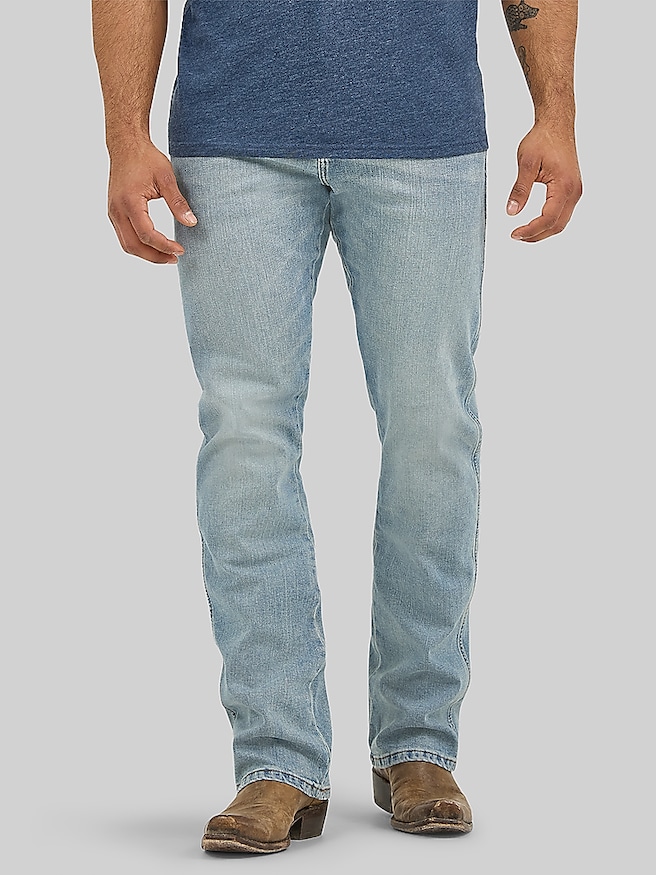
Citrus and dry woods give Mediterranean-inspired men’s cologne its signature contrast: the bright scent of freshly cut citrus peel up front and a quieter, more grounded finish on the skin. The style evokes the coast around Capri, with its citrus groves, aromatic herbs, and stone paths above the water. Rather than smelling like sweet orange juice, a citrus opening might recall the bitter edge of grapefruit rind, the green snap of bergamot, or the softer brightness of Sicilian mandarin. What follows can be just as distinctive. Juniper brings a scent reminiscent of pine needles, rosemary adds an herbal edge, and a touch of pepper lends a little bite. Cedar can smell dry and clean, while musk often gives the finish a softer quality that’s easier to notice up close. Not every blend includes all of these notes. Some stay tart and brisk; others move quickly into woods and musk or have a lightly salty quality that suggests the coast without smelling overtly aquatic. That range makes this style easy to wear for occasions that call for a little polish without a heavy scent. A grapefruit-and-herb profile fits a lunch out or a casual office day, while one with more wood and musk feels at home over dinner. For an easy daytime outfit, Light Blue Men's Jeans and a white Oxford shirt have the same relaxed feel as a crisp citrus cologne. The fragrance doesn’t have to match the color of the clothes; what works is the shared sense of being put together without looking or smelling overdressed. Between a blend that leads with lemon and one that lingers on cedar, the better fit often comes down to the part of the scent that’s most appealing after the opening has faded.
Most spray fragrances combine aromatic materials with an alcohol-based carrier that helps disperse a fine mist. The materials can include extracts from citrus peel or woods alongside fragrance ingredients that give the scent a consistent character or create effects that don’t come straight from a plant. A note describes what the blend smells like, not necessarily what’s in the bottle. A salty note, for example, can be an impression created by several materials. The scent also changes as those materials evaporate at their own rates. The first sniff may be all grapefruit, but the same spot on the wrist can smell more like herbs and dry wood after a coffee break. Later on, the musk that remains may be noticeable only at close range. A paper strip is useful for comparing those first impressions side by side. A light spray on clean, dry skin gives a better sense of how a fragrance fits into an ordinary day. Testing without a strongly scented lotion or soap makes it easier to tell which scent is coming from the cologne. Concentration is one clue to how a fragrance will wear: an eau de parfum typically contains a higher proportion of fragrance materials than an eau de toilette, but the formula itself matters, too. Higher concentration doesn’t guarantee that citrus will stay prominent longer or that a scent will carry farther across a room. How long a cologne stays detectable and how far it travels are separate qualities. For a commute, a meeting, or a meal in close quarters, a light application on the chest or wrist is a reasonable starting point. If it seems to fade quickly, it’s worth checking again before adding more. The nose can get used to a scent that’s still noticeable to someone sitting nearby.
A citrus-forward cologne can make a thoughtful birthday, graduation, or anniversary gift for someone who already favors fresh, herbal, or understated woody scents. A person who likes the smell of grapefruit peel and rosemary may gravitate toward the sharper blends, while someone who typically wears smooth musk or cedar may prefer one with a softer opening and a more noticeable woody finish. Those habits say more about the fit than the occasion itself. A graduate building a small fragrance collection might appreciate something that works for both an interview and dinner afterward. Someone who already wears a richer scent for special occasions might enjoy a lighter option for ordinary days. For anyone who prefers to keep fragrance subtle, the gentler blends are easy to apply sparingly and leave close to the skin. It’s generally better to apply the fragrance before getting dressed rather than spraying it onto a shirt or jacket. Some formulas can mark delicate fabrics, and a trace of scent left on a jacket can mingle with whatever goes on the next time it’s worn. Storage also makes a difference in how well the scent holds up. The brightest citrus notes can lose some of their definition over time, especially when a bottle sits in direct sunlight or is regularly exposed to heat. An upright spot in a drawer or closet, with the cap on when the bottle isn’t in use, is a better choice than a sunny windowsill or a steamy bathroom shelf. Keeping the bottle out of a car or away from a heat vent helps limit exposure to swings in temperature. With sensible storage, a fragrance can keep the contrast that makes this style appealing in the first place: the quick lift of citrus at the start and the softer scent of wood and musk that stays behind.