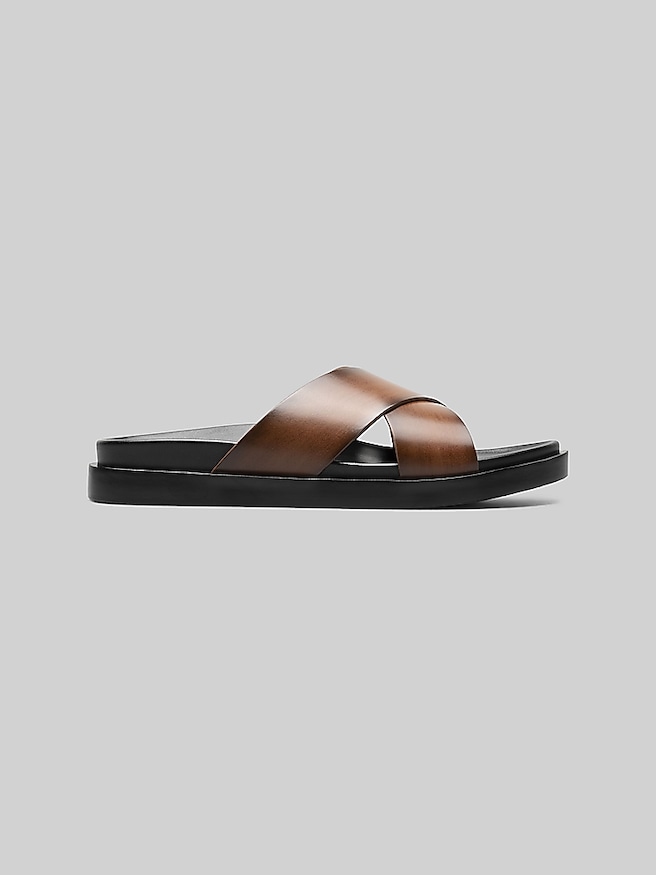
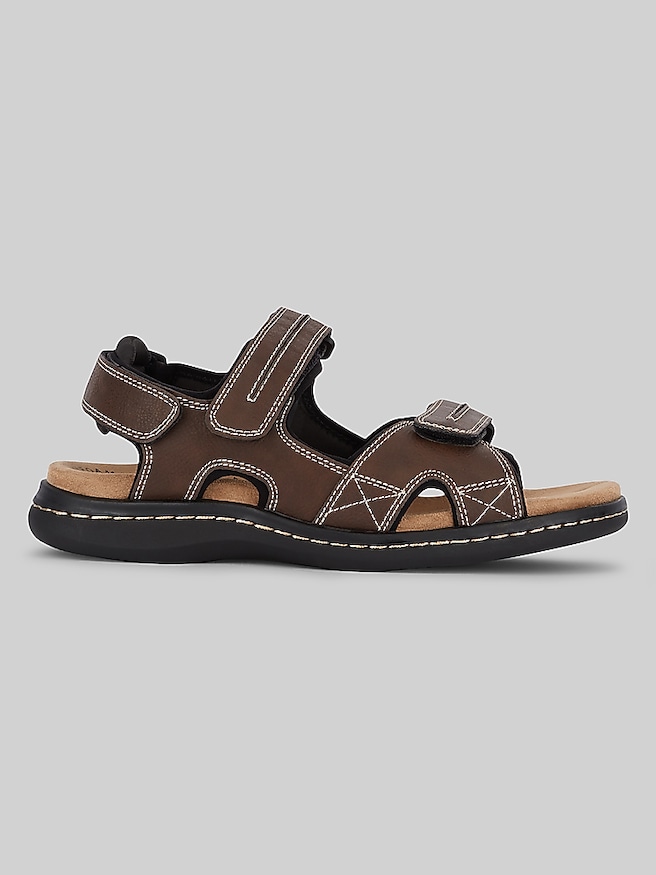
Leather sandals combine the texture of leather uppers with an open design that leaves much of the foot uncovered. Their character comes from the balance between the straps, footbed, and sole: broad bands create a substantial look, narrow straps keep the profile lighter, and a softly contoured base can make the sandal feel more secure underfoot. Men’s leather sandals include easy slip-on slides, toe-post designs, and styles with adjustable straps or a backstrap. Each shape serves a slightly distinct purpose. Slides are convenient for relaxed routines at home or a short trip out, while a well-fitted backstrap can help hold the foot in place during more active days. The leather itself also influences appearance and feel. Full-grain leather preserves the hide’s natural surface characteristics and can develop a patina with use. Top-grain leather has a more refined surface, while suede offers a soft, matte texture that looks especially natural beside cotton twill and other casual fabrics. Leather uppers do not necessarily mean an all-leather construction; footbeds, linings, cushioning layers, and outsoles may use other materials to provide structure, flexibility, or traction. Rubber outsoles can contribute grip, foam layers can soften impact, and cork-based footbeds may provide a firmer, shaped foundation, depending on the construction. For everyday outfits, brown leather sandals pair easily with stone-colored chinos, an untucked oxford shirt, or neatly tailored shorts. Black leather gives simple straps a sharper outline, especially with dark trousers and a knit polo. These combinations suit casual lunches, relaxed gatherings, and informal vacation dining without asking sandals to take the place of dress shoes. A restrained silhouette with tidy stitching and a low-profile sole generally looks more polished than a bulky design, although the setting and dress code still determine whether open footwear belongs.
Fit makes a substantial difference in how leather sandals feel and how naturally they move with the foot. A suitable footbed supports the entire foot, with a little space around the heel and toes rather than either end sitting on the edge. Width matters just as much as length: straps should lie comfortably against the foot without squeezing its sides, and the forefoot should rest within the boundaries of the sole. Adjustable buckles or hook-and-loop closures can accommodate variations in foot volume, including a higher instep, but adjustment cannot compensate for a footbed that is fundamentally too narrow or too short. Toe-post sandals should feel smooth between the toes, with no sharp edges or pulling that changes the way a person walks. Slides benefit from a secure upper that does not require the toes to grip constantly to keep the sandal on. A backstrap adds another point of contact, though its placement should avoid rubbing the heel. Leather may soften with wear, but a good initial fit should not depend on painful straps stretching into submission. For longer periods on foot, the relationship between cushioning and support deserves attention. A plush surface can feel inviting at first touch, while a defined heel cup and well-positioned arch contour may provide a steadier platform over time. Neither softness nor firmness alone guarantees comfort, and pronounced arch shaping is not the best match for every foot. The outsole also needs enough flexibility for a natural step without feeling unstable beneath the heel. For travel days that combine a long terminal walk, sightseeing, and dinner, secure straps and balanced cushioning matter more than decorative details. For lounging or brief outings, the convenience of an uncomplicated slide may be the priority. Product measurements, construction details, and the footwear a person already finds comfortable provide useful context when comparing shapes.
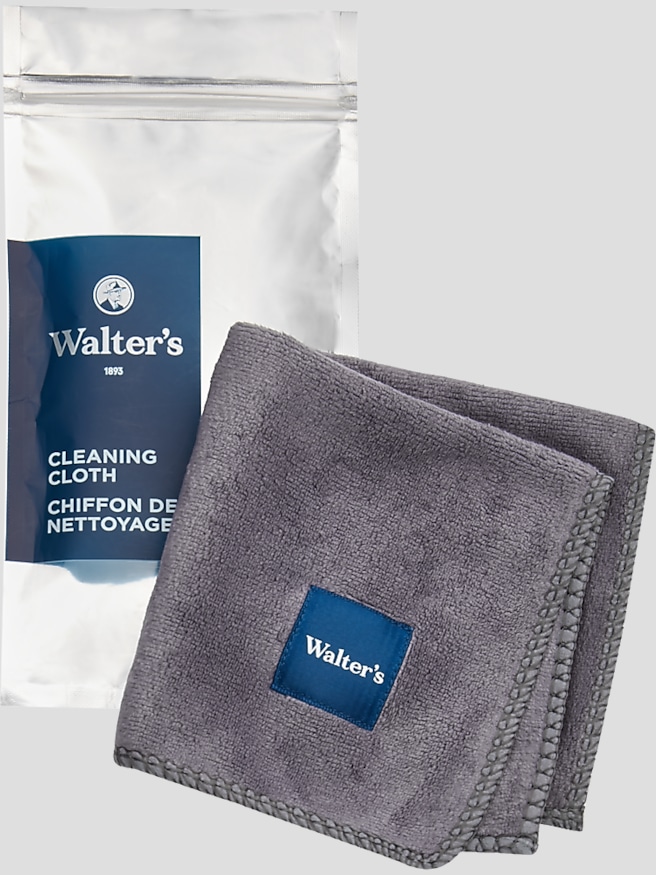
Leather sandals reward care that respects both the hide and the materials beneath it. Ordinary surface dust is usually easier to remove with a soft, dry cloth or brush before it works into seams and textured areas. Smooth leather may benefit from a suitable cleaner and occasional conditioner, following the maker’s directions, while suede calls for tools and treatments intended for its nap. Conditioner is not interchangeable with waterproofing, and leather sandals should not be assumed suitable for pools, showers, or repeated soaking unless their construction is expressly designed for that use. When leather becomes damp, gentle air-drying away from direct heat helps protect its shape and finish. Footbeds also deserve attention because they sit directly against the skin; the appropriate cleaning method depends on whether the surface is leather, suede, textile, or a synthetic material. Allowing sandals to dry fully between wears can help keep them fresher, while storage away from prolonged direct sunlight helps limit fading. Durability depends on more than leather thickness. Even stitching, securely attached straps, sound buckle hardware, and a well-bonded sole all contribute to a sandal that holds together through regular use. A little surface creasing is normal for leather, but deep cracking, loose straps, and worn traction are reasons to reassess the condition of the footwear. For someone drawn to simple shapes, the Modern Sandals page offers another way to explore the category. Leather sandals can also make a thoughtful birthday or graduation gift for a dad, brother, partner, or friend who already enjoys open footwear. Familiarity with the recipient’s usual size, preferred strap arrangement, and favorite neutral colors makes that choice more personal. A dark brown pair may complement an established wardrobe of denim and chinos, while a lighter leather finish brings a more relaxed accent. The strongest choice is ultimately a comfortable, well-made design suited to the way its wearer actually spends the day.